If you want a second home on the Mississippi Gulf Coast, Bay St. Louis stands out for a simple reason: it can feel like a true weekend place, not just a property you visit a few times a year. You may be looking for walkability, water access, or a home that gives you personal use now with rental flexibility later. This guide breaks down what makes Bay St. Louis appealing, what tradeoffs to expect, and what you should verify before you buy. Let’s dive in.
Why Bay St. Louis fits weekend ownership
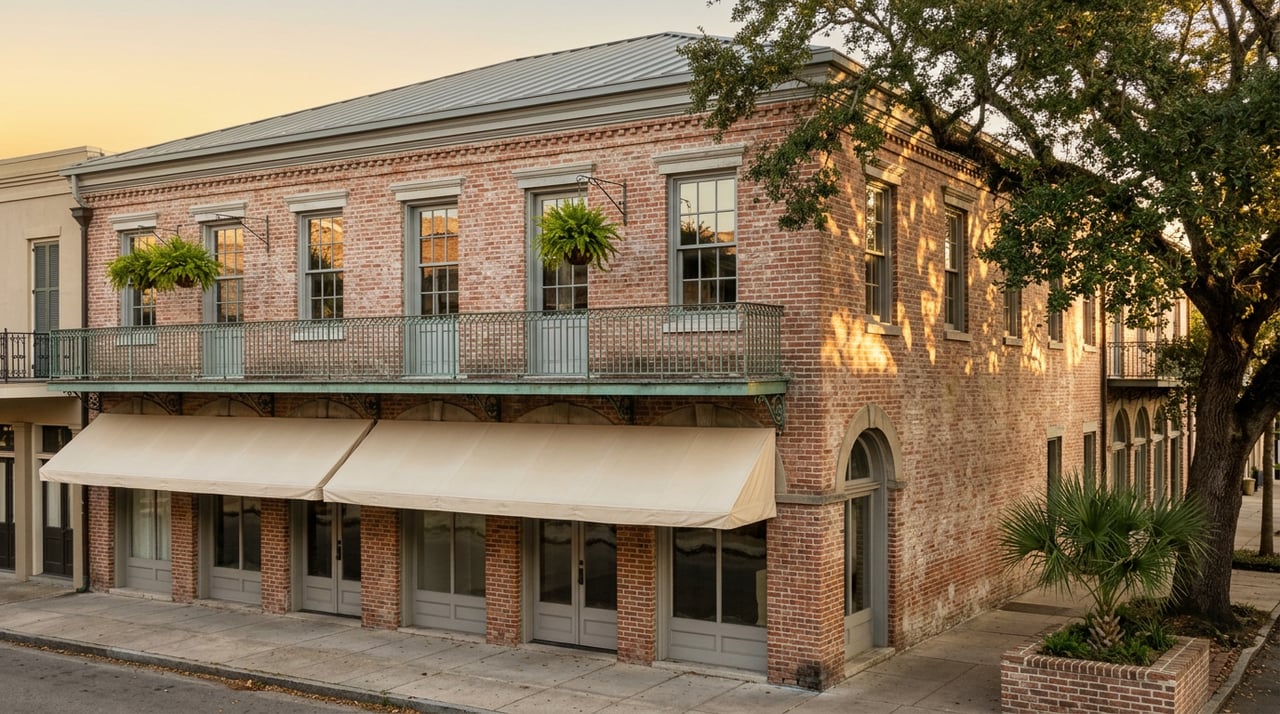
Bay St. Louis offers a coastal lifestyle that is easy to picture using in real life. The city describes the harbor and Old Town area as the point where Main Street meets Beach Boulevard, with close access to shops, restaurants, music, accommodations, and the water. In the city’s own planning language, the Old Town Core is the traditional heart of Bay St. Louis and a compact, pedestrian-oriented district built around dining, entertainment, shopping, lodging, civic uses, and nearby historic neighborhoods.
That matters if you are not looking for a purely resort-style purchase. Bay St. Louis supports a more everyday version of coastal ownership, with boating, fishing, kayaking, crabbing, beach access, and public piers. The city also highlights golf cart use in most residential areas, monthly art walks in Old Town, and public parking options near the core, which all add to the appeal for buyers who want a low-friction weekend routine.
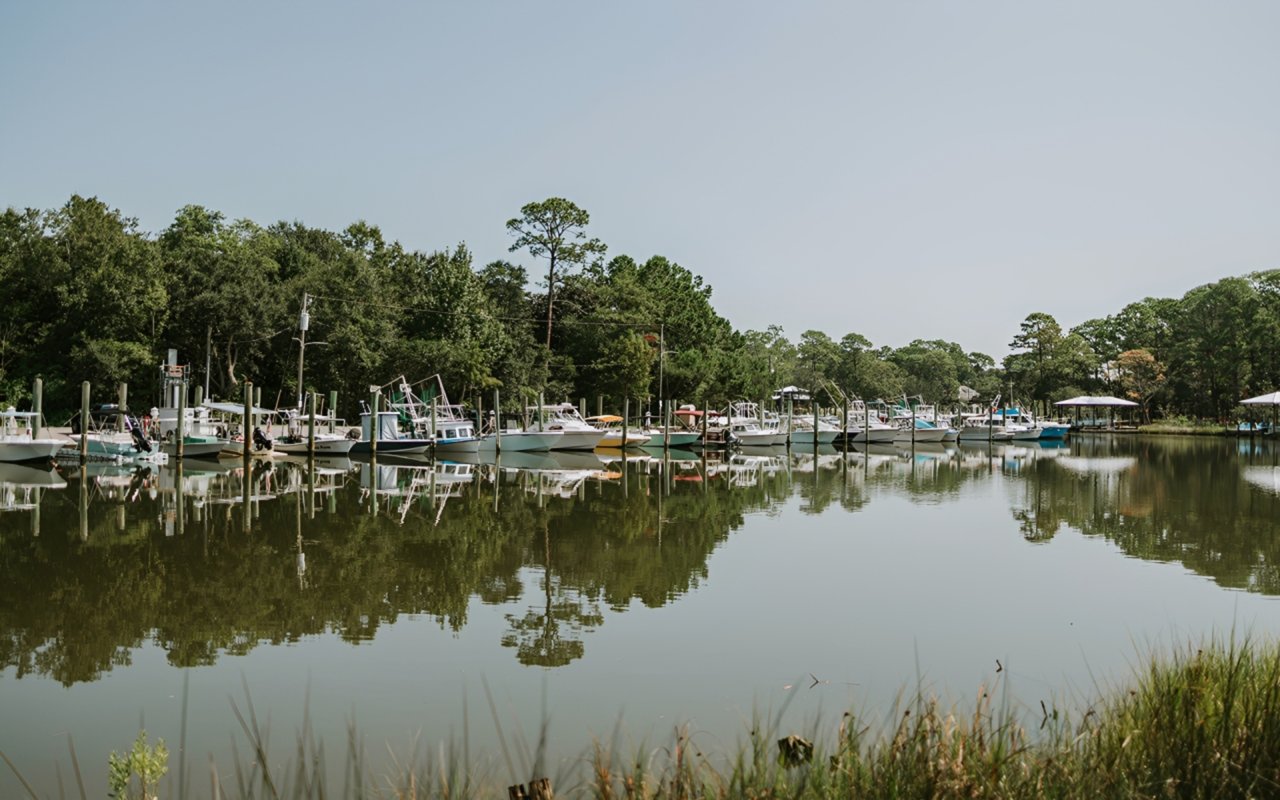
For boaters, the city notes transient slips and day docking at the harbor. That can be especially useful if you want occasional access to the water without taking on the responsibilities of full-time marina ownership. In practical terms, Bay St. Louis works well for buyers who want to arrive on Friday, settle in quickly, and enjoy the weekend without too much planning.
Property styles vary by area
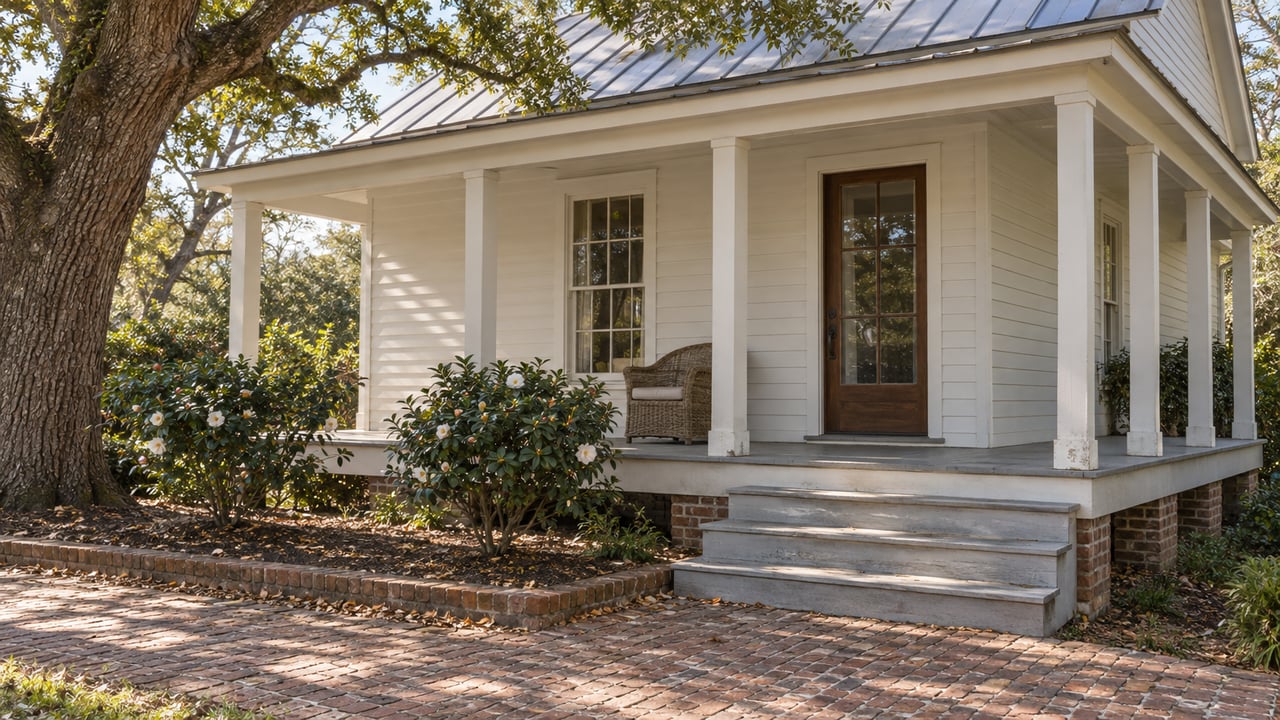
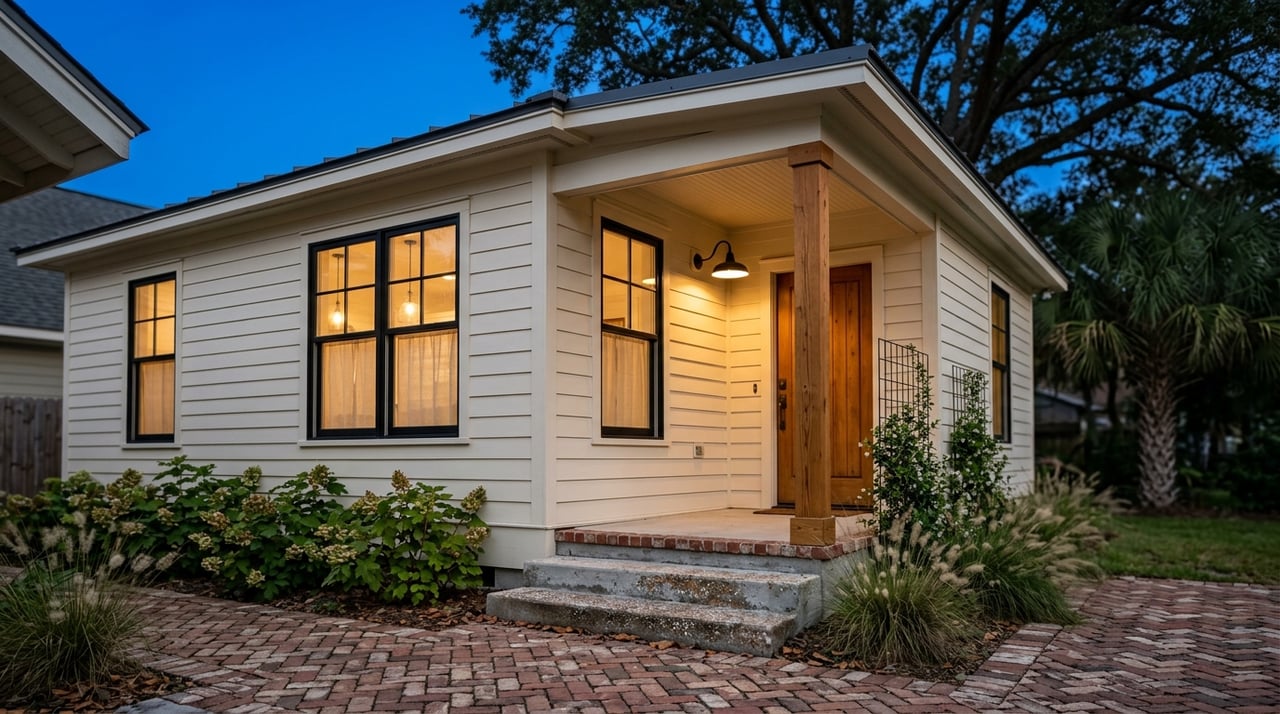
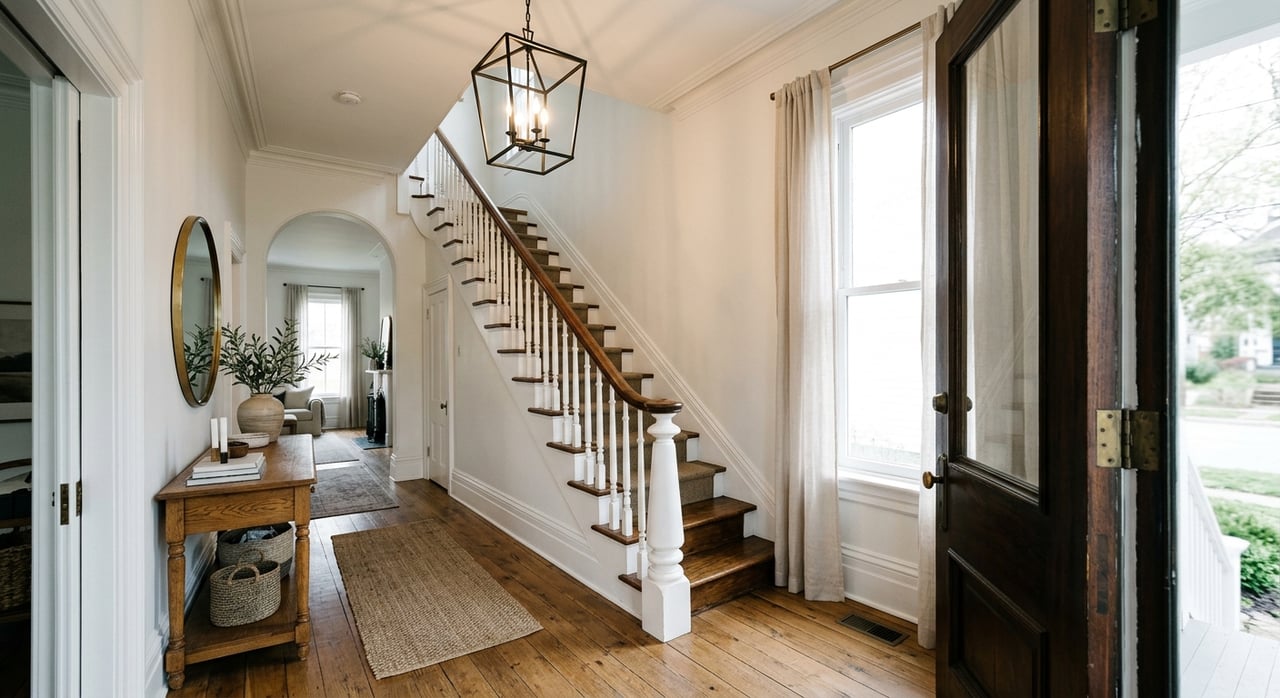
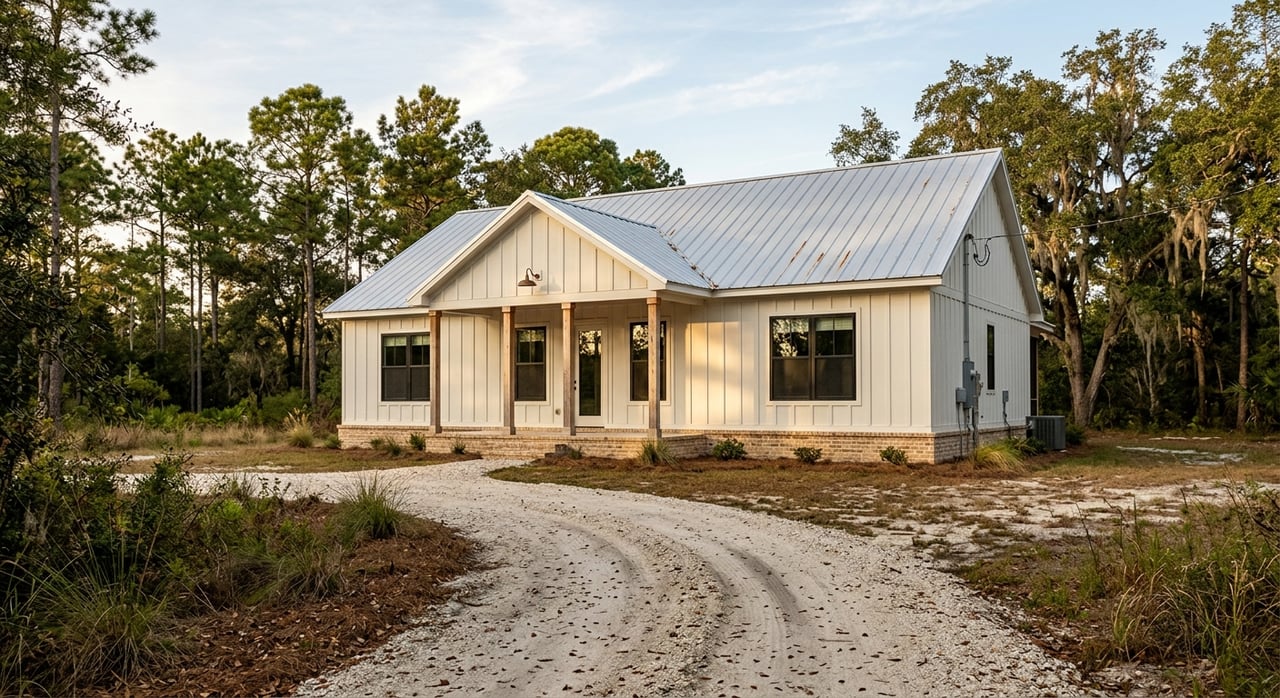
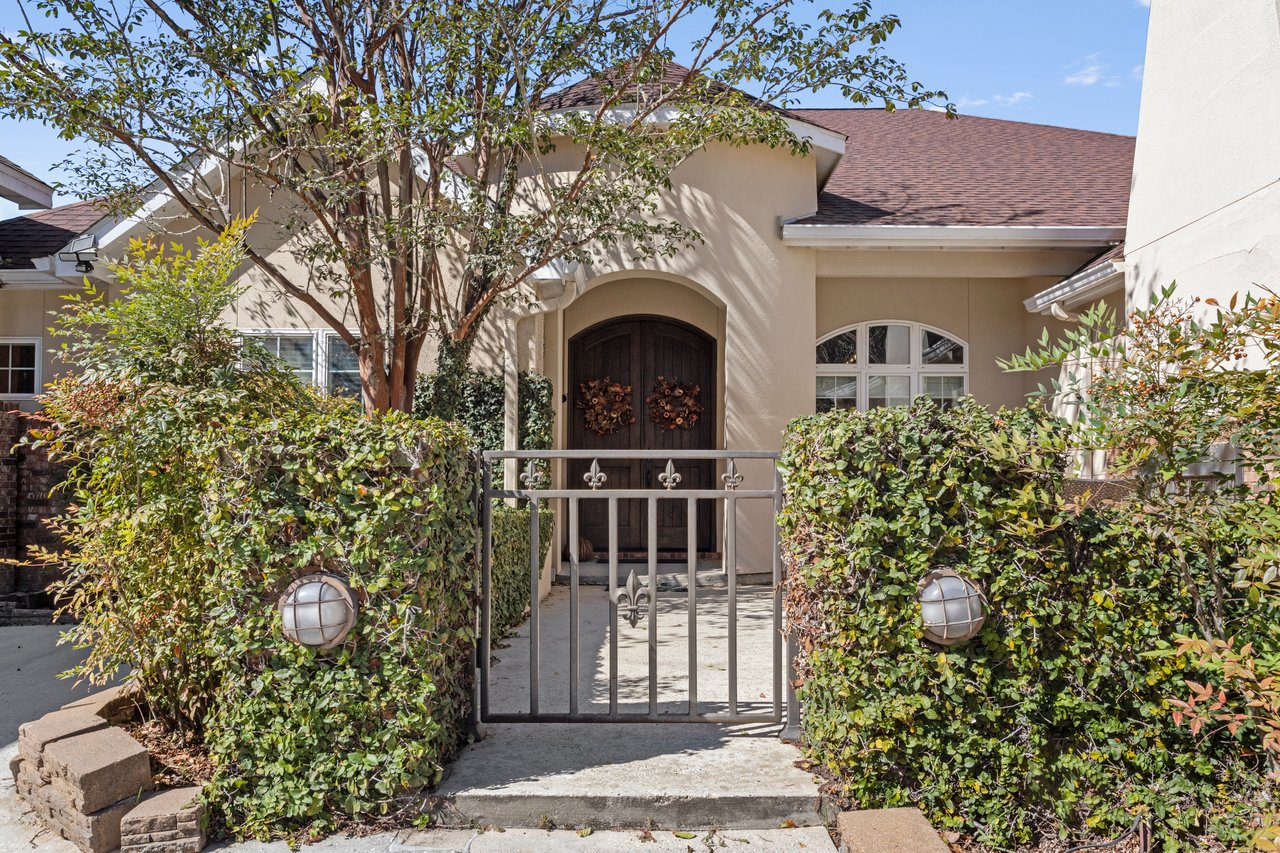
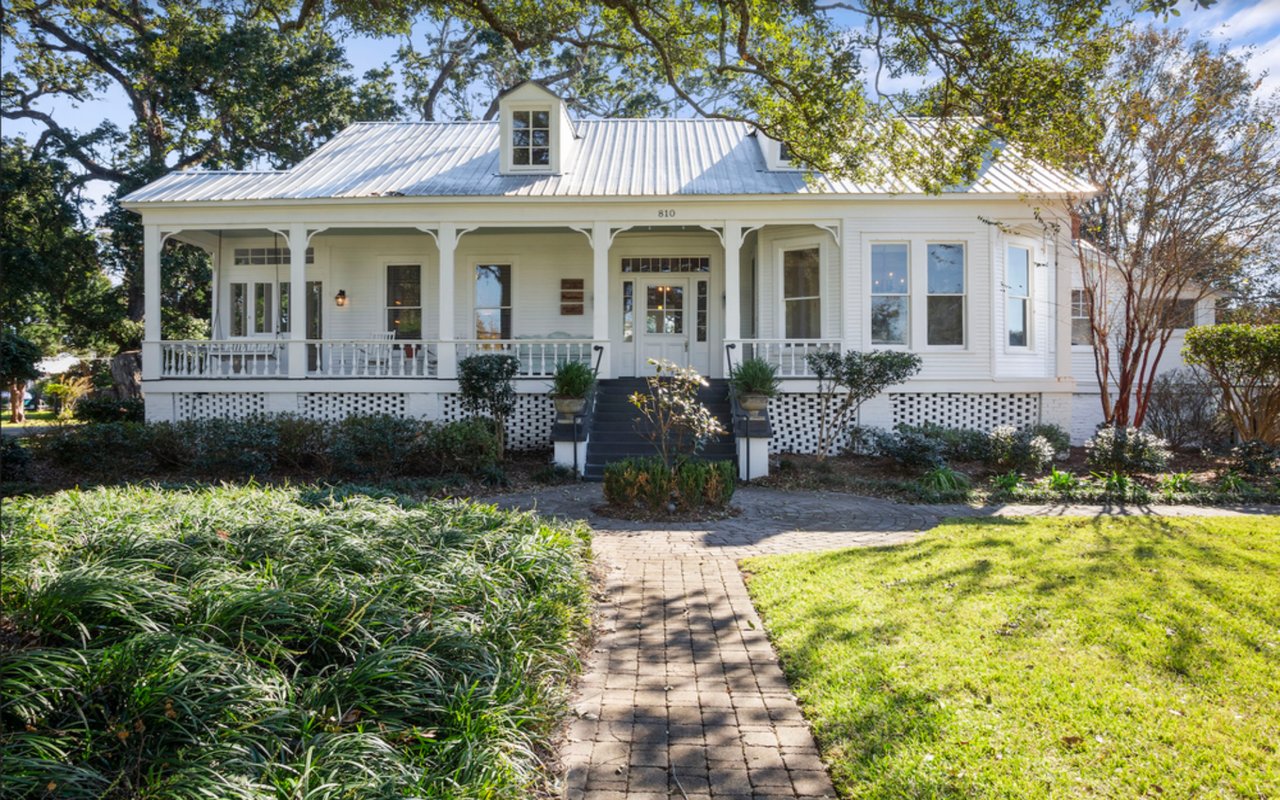
One of the most useful things to understand about Bay St. Louis is that it is not a one-format market. According to the city’s planning framework, the zoning map includes low-density single-family districts, multi-family and townhouse districts, zero-lot-line residential areas, residential beachfront districts, open beach districts, historic districts, resort districts, and multiple waterfront districts. You can see that variety reflected in the city’s planning materials.
For most second-home buyers, the search tends to come down to two broad choices: Old Town proximity or waterfront setting. Both can work, but they support different ownership experiences.
Old Town appeal
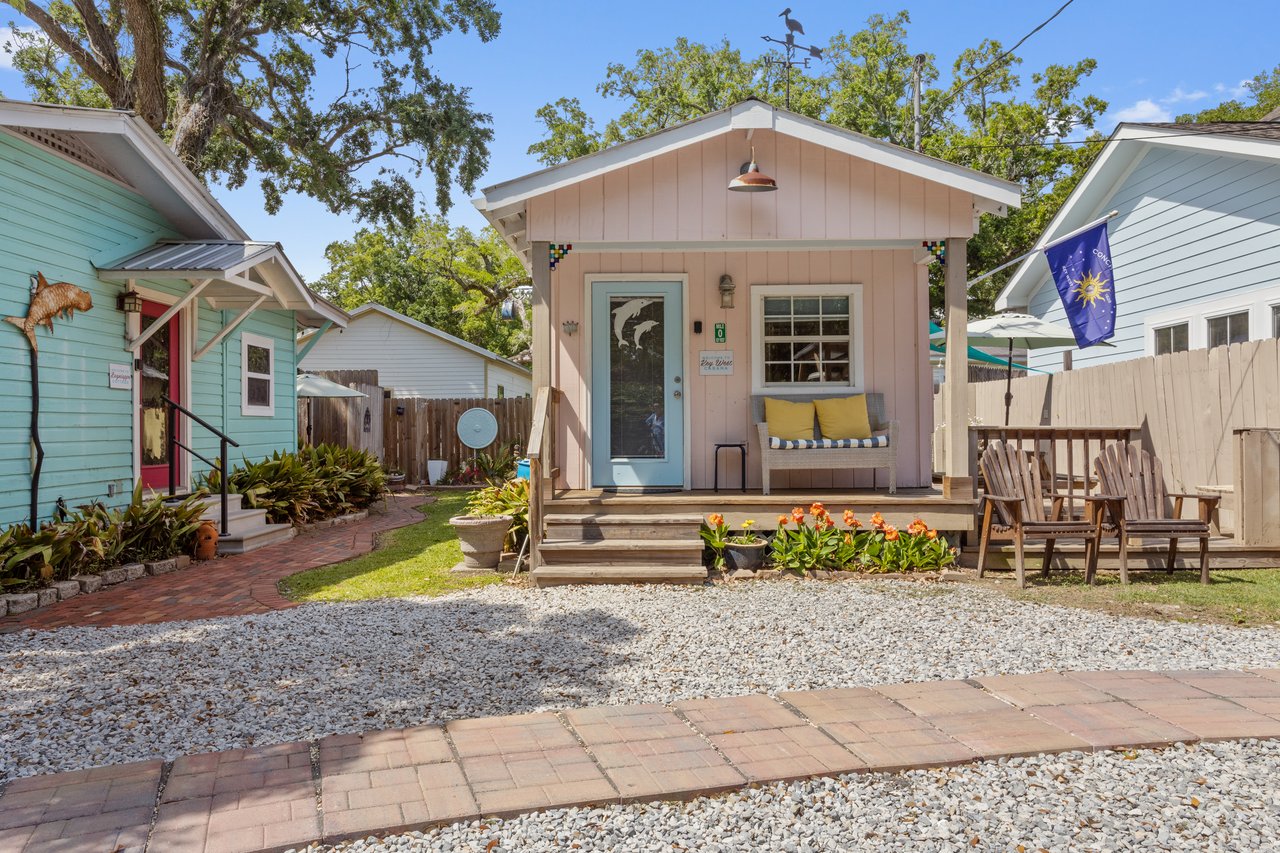
Old Town tends to attract buyers who want walkability and easy access to local events, dining, and shopping. It can also make weekend ownership feel simpler because you are closer to public parking resources and the daily activity that gives Bay St. Louis its character. If your ideal second home is more about stepping out for coffee, dinner, or an art walk, this area often aligns with that goal.
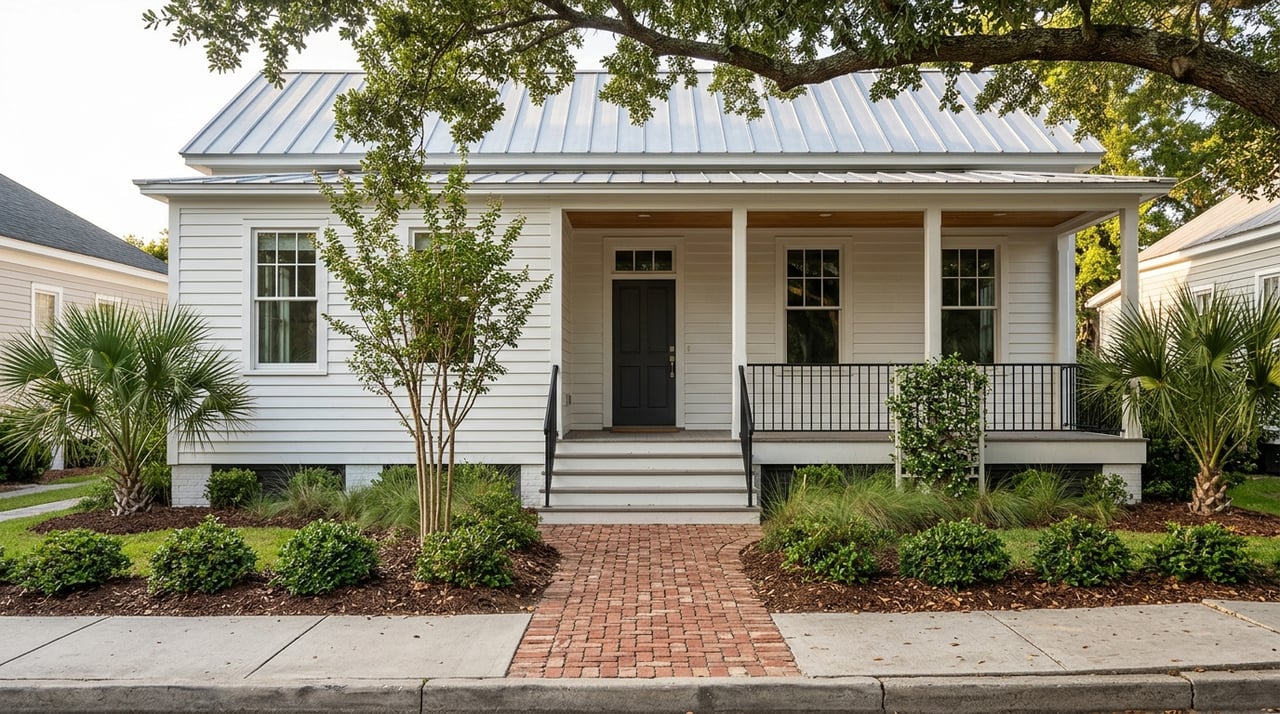
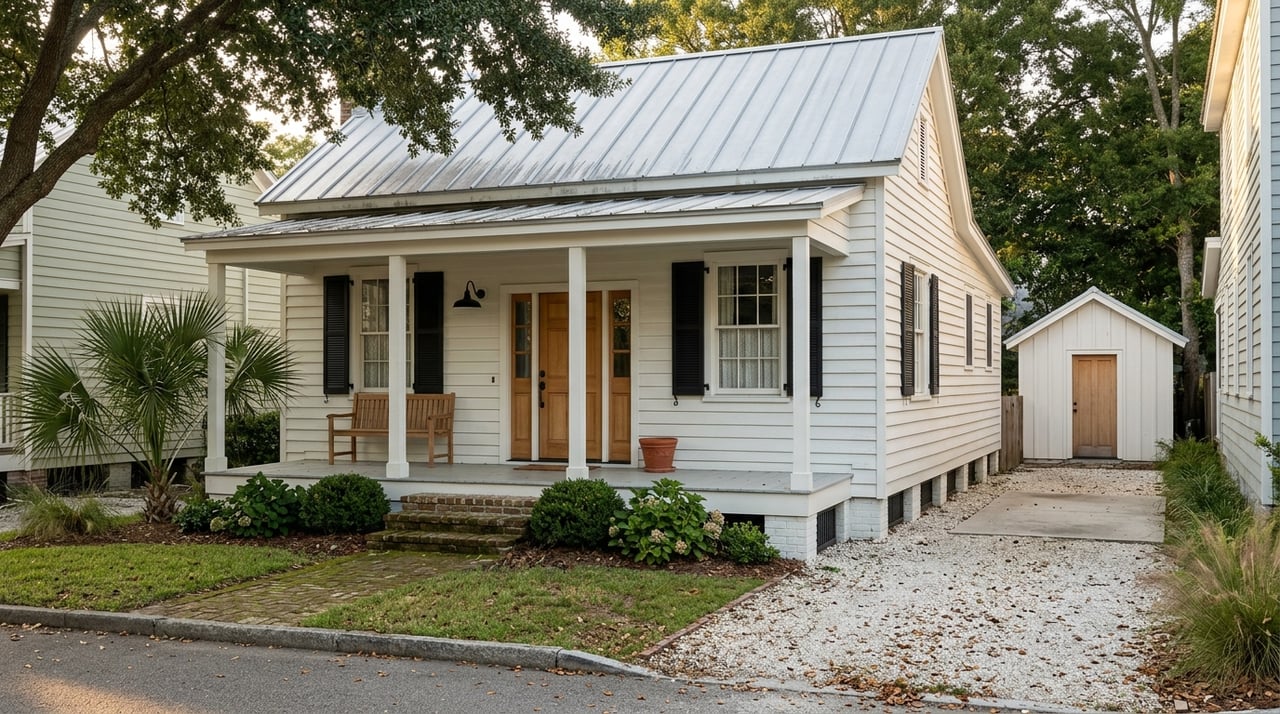
The city’s planning documents also indicate that mixed-use and attached residential formats can fit within the historic center. That means buyers may find a wider mix of home styles here than they expect, including options that feel more lock-and-leave than a larger detached coastal house.
Bayfront and waterfront appeal
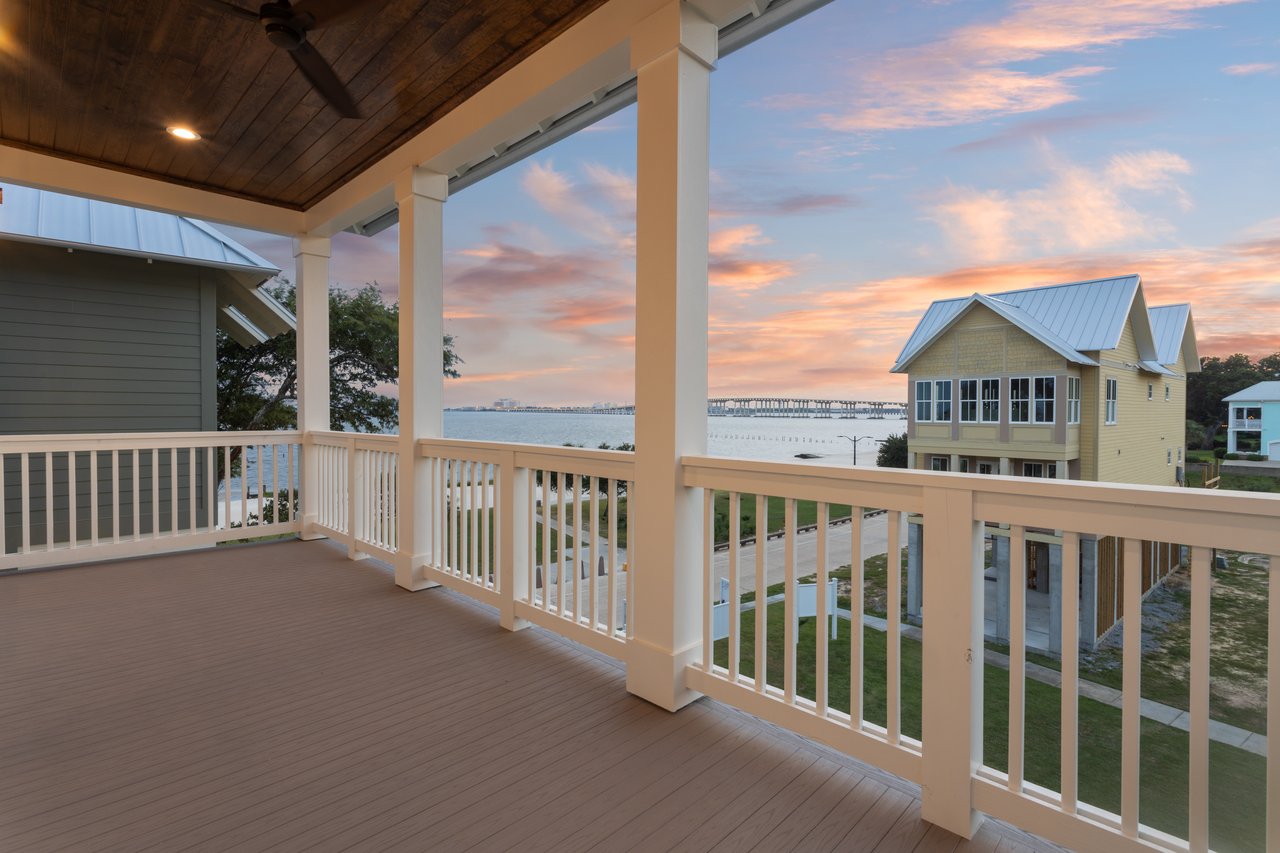
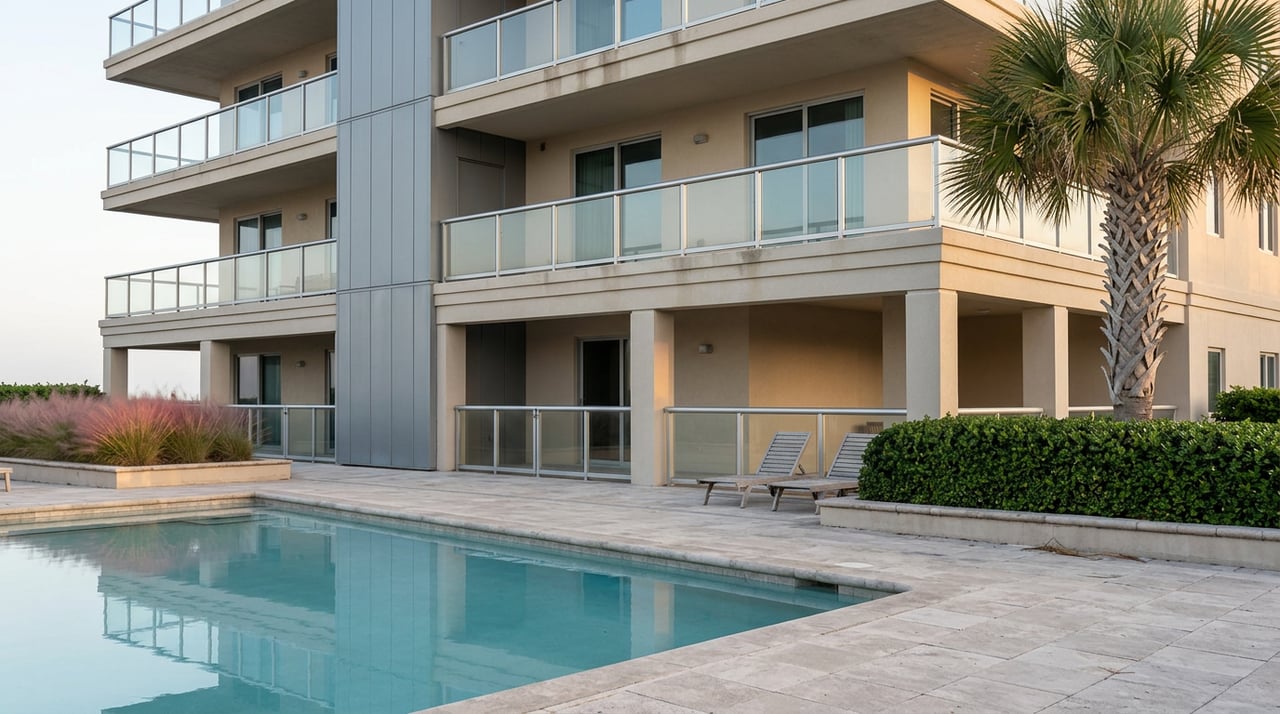
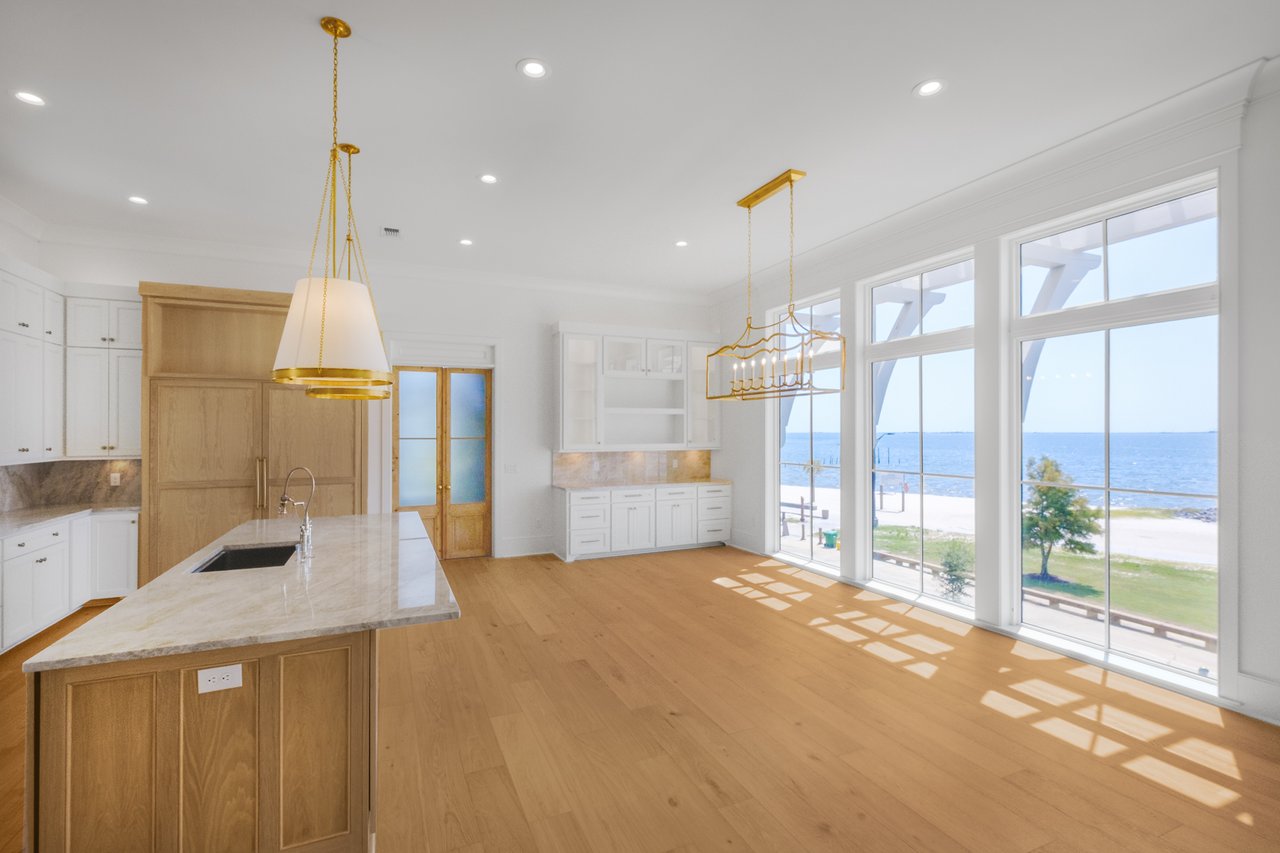
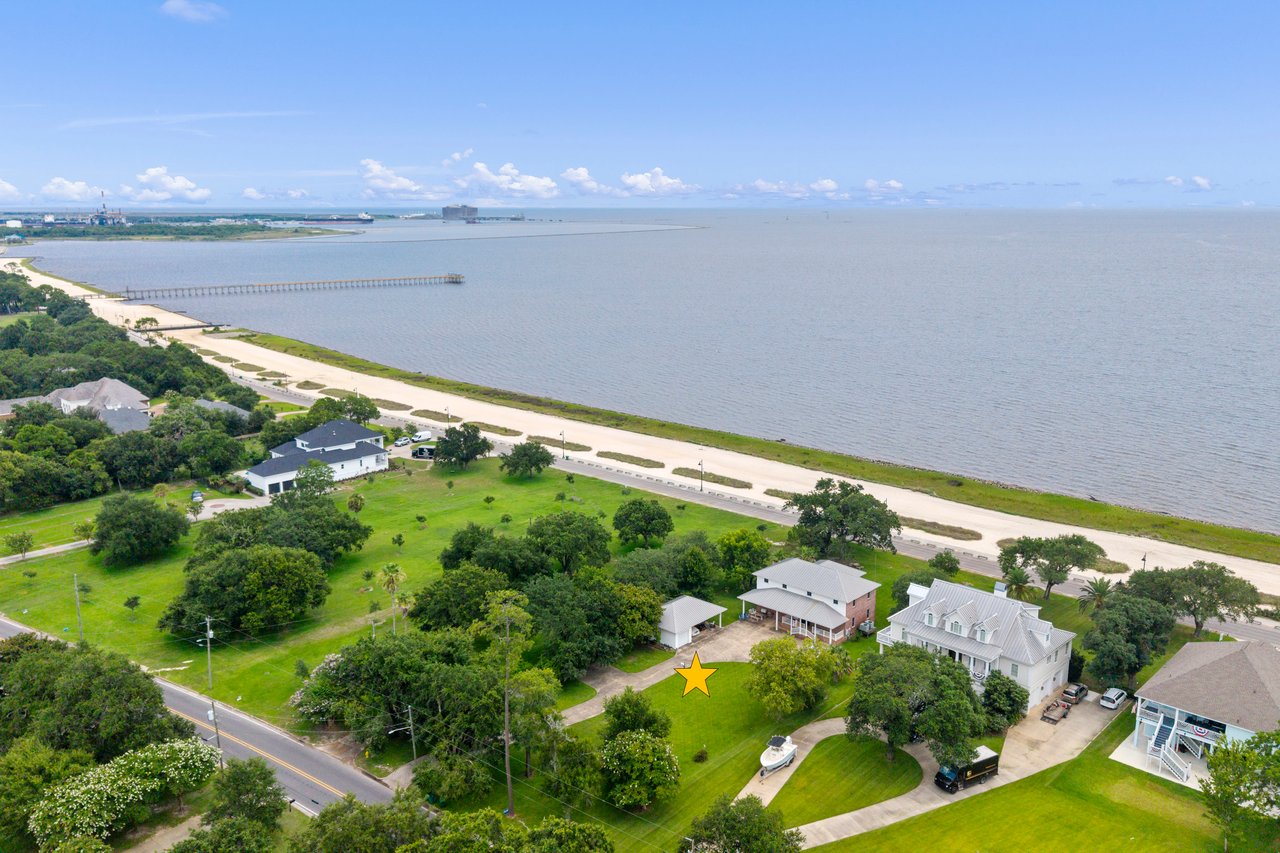
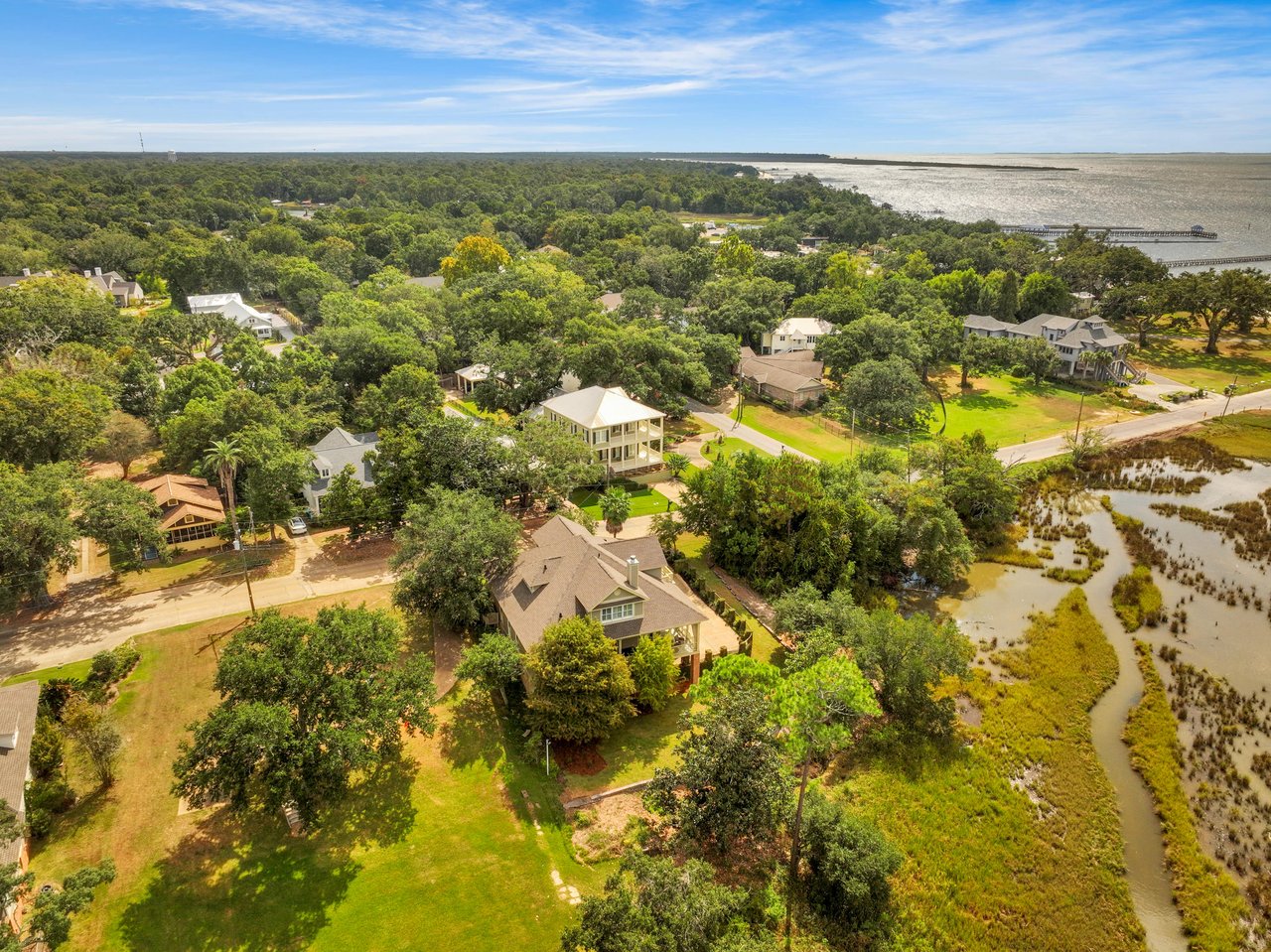
Bayfront and other waterfront areas often deliver the views and shoreline feel that draw many buyers to the Coast in the first place. The city identifies the Bayfront as a narrow but high-demand shoreline area where waterfront characteristics are the main attraction. In the Waterfront District WF-1 and related planning language, the city also notes support for primary and secondary residences, tourism, and recreation.
That said, waterfront appeal comes with more ownership sensitivity. The Bayfront placetype notes that homes on the north portion must be elevated to accommodate flood elevations. If you are comparing a walkable Old Town property with a more exposed waterfront home, the lifestyle upgrade may be obvious, but the insurance and building considerations usually are not.
Bay St. Louis is lifestyle-first
For many buyers, Bay St. Louis works best as a lifestyle-first second-home market with rental optionality, not as a pure income-property play. That distinction matters because it changes how you should evaluate value. The best purchase is often the one that fits how you want to use the home first, then supports offsetting costs if rental use makes sense.
This is especially true for weekend owners. A home that is easy to lock, maintain, access, and enjoy may outperform a more ambitious purchase that looks stronger on paper but creates more friction in real life. If you live out of area, convenience is not a luxury. It is part of the asset decision.
Carrying costs to budget correctly
Second-home buyers sometimes underestimate the difference between buying a primary home and buying a coastal getaway. In Bay St. Louis, the biggest budgeting mistakes often come from taxes, insurance, and storm-related planning.
Homestead exemption usually does not apply
Mississippi’s homestead exemption rules are clear that this tax benefit applies to an owner’s primary residence. You must own and occupy the home as your primary home to qualify. For a vacation property or weekend home, you should generally underwrite the purchase without assuming homestead relief.
That may sound straightforward, but it can materially affect annual ownership costs. If you are comparing Bay St. Louis to your primary residence or to another market, make sure you are comparing actual tax treatment, not best-case assumptions.
Flood and wind coverage are central
Bay St. Louis is relatively flat and close to sea level, and the city specifically advises buyers and builders to confirm the flood zone before proceeding. The city’s planning materials make clear that flood exposure is a core part of local ownership, not a side issue. FEMA’s Flood Map Service Center is the official public source for flood-hazard maps, and the Mississippi Windstorm Underwriting Association exists to provide windstorm and hail coverage in Mississippi’s coastal area.
For buyers, the main takeaway is simple: you should treat flood coverage and wind or hail coverage as part of the basic ownership math. A beautiful coastal house may fit your lifestyle perfectly, but the real monthly cost is only clear once insurance is part of the conversation.
Guest logistics affect cost too
Even if you use the home mostly for yourself, upkeep still matters when you are not there full time. If you ever plan to host guests or rent occasionally, Bay St. Louis requires owners to think through parking, trash handling, and emergency response. Those details may seem minor during the search, but they often shape how easy the home is to operate once you own it.
What to know about short-term rentals
If you plan to rent the property occasionally, Bay St. Louis can offer flexibility, but only if the property and the owner can meet the city’s rules. This is not a market where you should assume you can buy first and solve compliance later.
Permits are required
Bay St. Louis requires short-term rental operators to obtain a city permit before using a dwelling as a short-term rental or advertising it as one. The city’s ordinance also states that the permit is not transferable, so you should not assume a seller’s existing status will carry over after closing. The current city materials state that the fee is $100 per year, per unit, and the registration number must appear in all advertisements, including online booking sites. You can review those requirements in the city’s short-term rental ordinance materials.
Local response is part of compliance
One of the biggest surprises for out-of-area buyers is the city’s requirement for a 24-hour local contact who can respond in person within 30 minutes to complaints. That means occasional self-management may not be as simple as it sounds if you live several hours away. Local operational support is often part of the decision, not an afterthought.
The same ordinance also requires a tenant information sheet with contact information, occupancy limits, trash details, fire extinguisher locations, and emergency contact information. In short, guest management in Bay St. Louis is structured and operational, not casual.
Parking rules matter
Bay St. Louis requires a parking plan for short-term rentals and does not allow on-street parking for STR use in any zoning district. That is a major point for weekend investors, especially near active areas where street parking may seem convenient. The city does maintain public parking options near the core, but short-term rental compliance still depends on the property’s own parking plan.
This is one reason some homes perform better as second homes than as rentals. A charming location does not automatically mean easy guest logistics.
Storm response is part of ownership
The city requires immediate evacuation of vacation rentals when Hancock County Emergency Management issues a mandatory evacuation. That means your short-term rental plan needs to account for more than bookings and cleaning. You also need a realistic storm-response process.
The ordinance allows fines of up to $500 per offense, treats each day of a violation as a separate offense, and allows permit denial, suspension, or revocation after repeated violations or false information. Buyers should take the rule set seriously and understand that it may continue to evolve.
Rental income needs a realistic model
If your goal is to offset carrying costs, Bay St. Louis may still work well, but your underwriting should stay conservative. Rental income is not simply the advertised nightly rate multiplied by booked weekends. Taxes, insurance, maintenance, local response requirements, and downtime all shape what the property actually produces.
The Mississippi Department of Revenue lists a 2% Hancock County tourism tax on room rentals, and it notes that qualifying third-party booking companies must collect Mississippi sales tax and any applicable local sales tax on facilitated bookings. The key point for buyers is not to memorize the tax stack. It is to model net income instead of gross assumptions.
That is where a strategy-first approach matters. Some owners are better served by occasional personal use with selective rental activity, while others may prefer a property that is easier to operate consistently. The right fit depends on how you want the property to live, not just how it pencils in a spreadsheet.
How to evaluate the right fit
If you are considering Bay St. Louis for a second home or weekend investment, focus your search around a few practical questions:
- Do you want walkability and events or waterfront exposure and views?
- Will you use the home mostly yourself, or do you want rental flexibility?
- Does the property have enough off-street parking if guests ever stay there?
- Have you priced the home with non-homestead taxes, flood exposure, and wind coverage in mind?
- If renting, do you have a plan for a 24/7 local contact and storm response?
Those questions help you move past surface appeal and toward a better ownership match. In a market like Bay St. Louis, the smartest purchase is often the one with the clearest operational path.
A smart Bay St. Louis purchase starts with use
Bay St. Louis offers a compelling mix of Old Town energy, coastal access, and flexible property types that can suit both second-home buyers and weekend investors. The appeal is real, especially if you want a place that supports boating, beach time, dining, and a relaxed small-town rhythm. But the ownership side is real too, with insurance, parking, permitting, and storm planning all playing meaningful roles.
If you are weighing Bay St. Louis against other Gulf Coast options, it helps to work with an advisor who can look beyond the purchase and think through the full ownership lifecycle. That includes how the home will be used, what it will cost to carry, and whether it supports your long-term goals. If you want that kind of strategy-first guidance, connect with Rain Residential.
FAQs
Is Bay St. Louis a good place for a weekend second home?
- Yes. Bay St. Louis offers a lifestyle-friendly mix of Old Town walkability, water access, boating, beach activities, and public amenities that can work well for weekend use.
Can you use a Bay St. Louis property only on weekends?
- Yes, but the property still needs to fit the city’s zoning, operational, and storm-planning realities, especially if you also plan to host or rent guests.
Can you rent out a second home in Bay St. Louis occasionally?
- Potentially yes, but Bay St. Louis requires a short-term rental permit before advertising or operating the property as an STR, and owners must follow local rules for parking, occupancy, and response times.
Do second-home buyers in Mississippi get homestead exemption?
- Generally no. Mississippi’s homestead exemption applies to an owner’s primary residence, so second-home buyers should usually budget without that tax benefit.
What insurance should buyers check in Bay St. Louis?
- Buyers should verify flood-zone information and understand that flood coverage and wind or hail coverage are key parts of coastal ownership costs in Bay St. Louis.
Does a Bay St. Louis short-term rental need off-street parking?
- Yes. The city requires a parking plan for short-term rentals and does not allow on-street parking for STR use.
Does a Bay St. Louis short-term rental need local management?
- The city requires a 24-hour local contact who can respond in person within 30 minutes to complaints, so some form of local operational support is often necessary.
Is Bay St. Louis better for lifestyle or pure investment?
- For many buyers, Bay St. Louis is best viewed as a lifestyle-first second-home market with rental optionality, rather than a pure income-property market.