Wish you could swap longer drives for afternoons that start with coffee on Government Street and end with a quick sunset stop at Front Beach? If you are planning an intentional upgrade, you want walkability and beach access without losing sight of costs, insurance, and resale. In this guide, you will learn how downtown Ocean Springs breaks into micro‑areas, what each offers, and the ownership checks that matter before you write an offer. Let’s dive in.
Market snapshot: prices, pace, context
Ocean Springs sits in a mixed market with price signals that vary by street and product. Recent aggregator snapshots place the city’s median sale figures from the mid to high $200Ks into the low $300Ks, with Redfin showing a median near the $320K range in early 2026. Redfin’s Ocean Springs market page also shows homes spending multiple weeks on market, often around the 80‑day mark in recent months. That means you will see both quick, turnkey downtown listings and slower movers farther out.
What matters most is the micro‑area. A cottage a few blocks from Government Street can live very differently, and price very differently, than a similar home on the bayou or a condo with HOA coverage.
How downtown clusters for upgraders
Use block‑level checks for both walkability and flood zone. A single street can flip the daily experience and your insurance costs.
Downtown core and Arts District
You are in the heart of galleries, cafés, and the cultural anchors that define Ocean Springs. The Walter Anderson Museum of Art and the Mary C. O’Keefe Cultural Center shape the calendar and the energy downtown. Explore the Walter Anderson Museum of Art to see why this pocket draws year‑round attention.
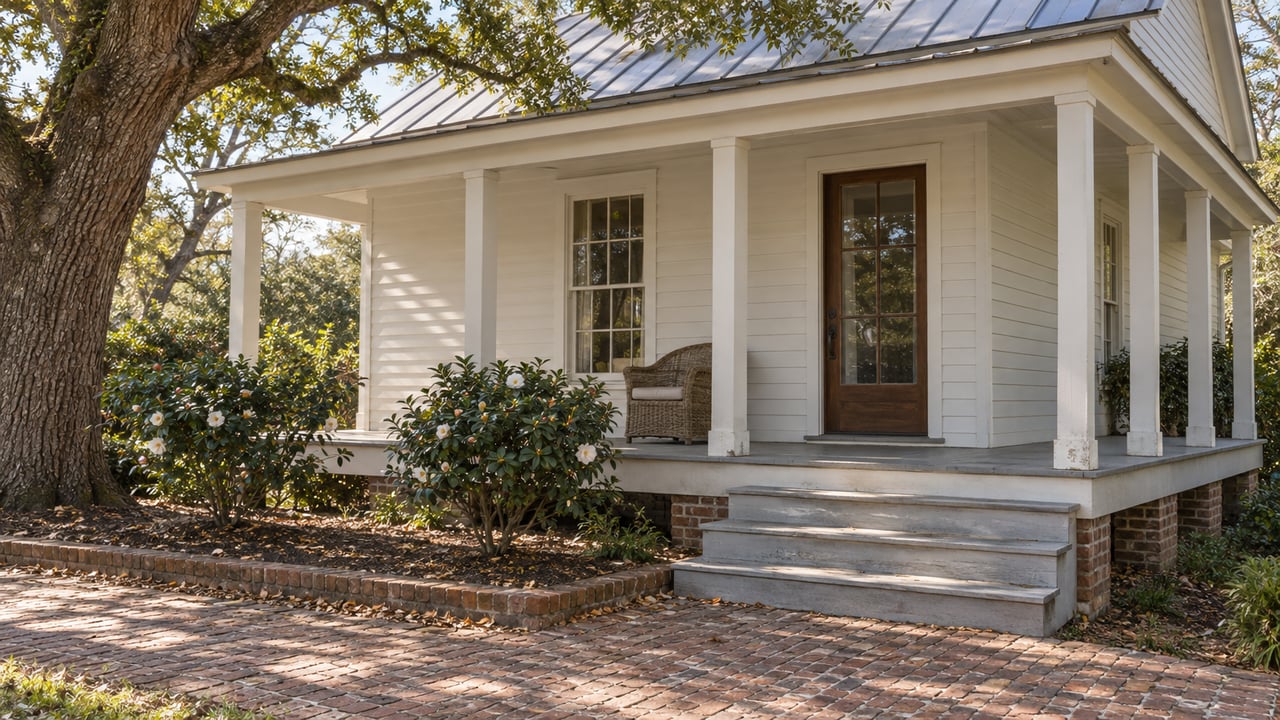
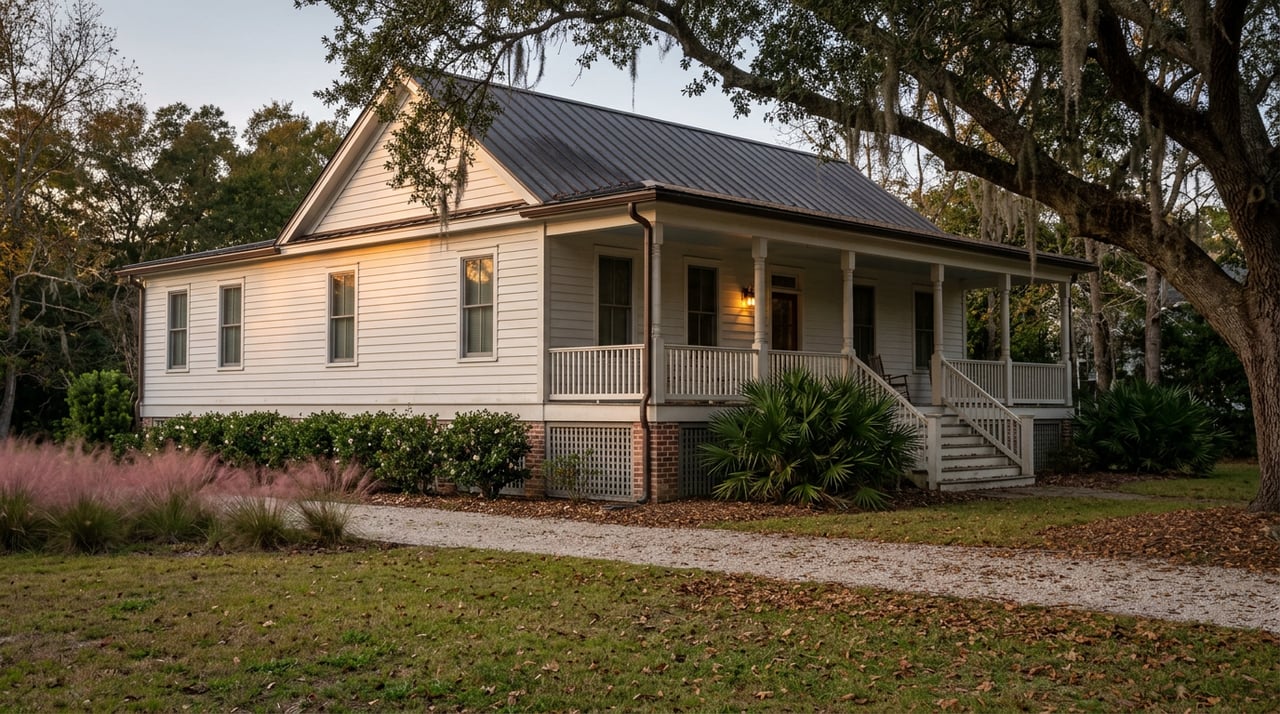
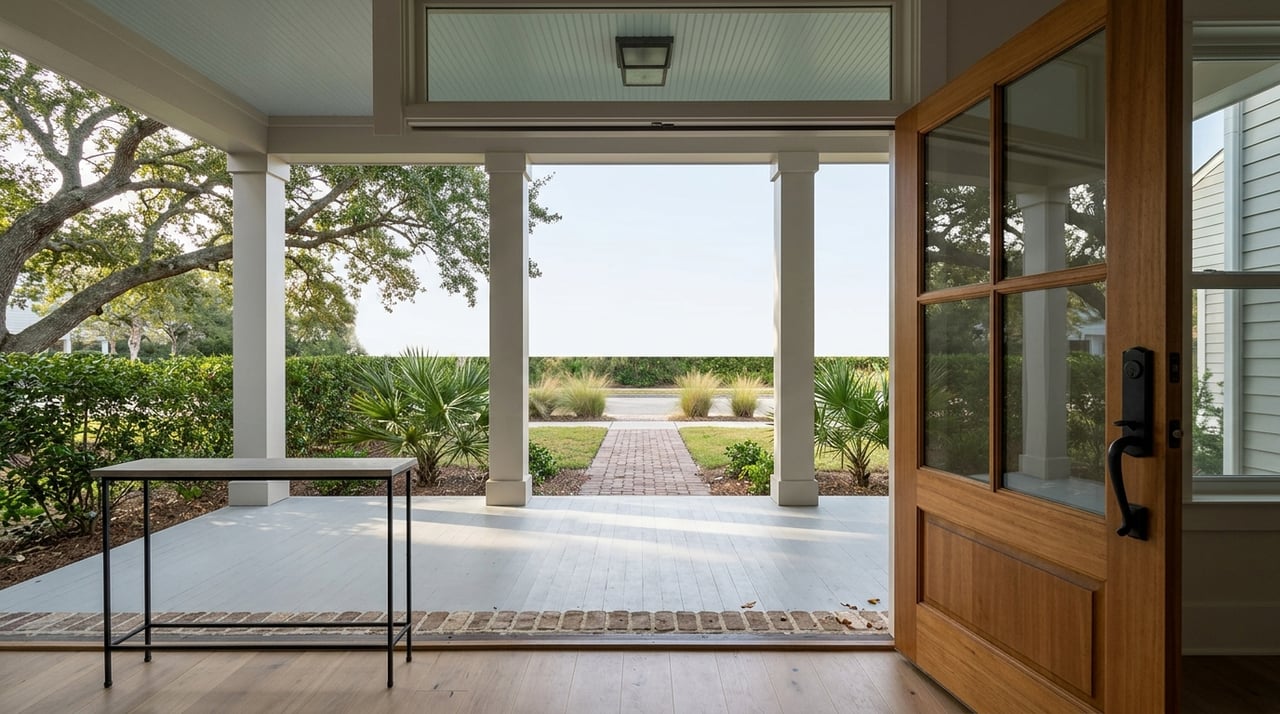
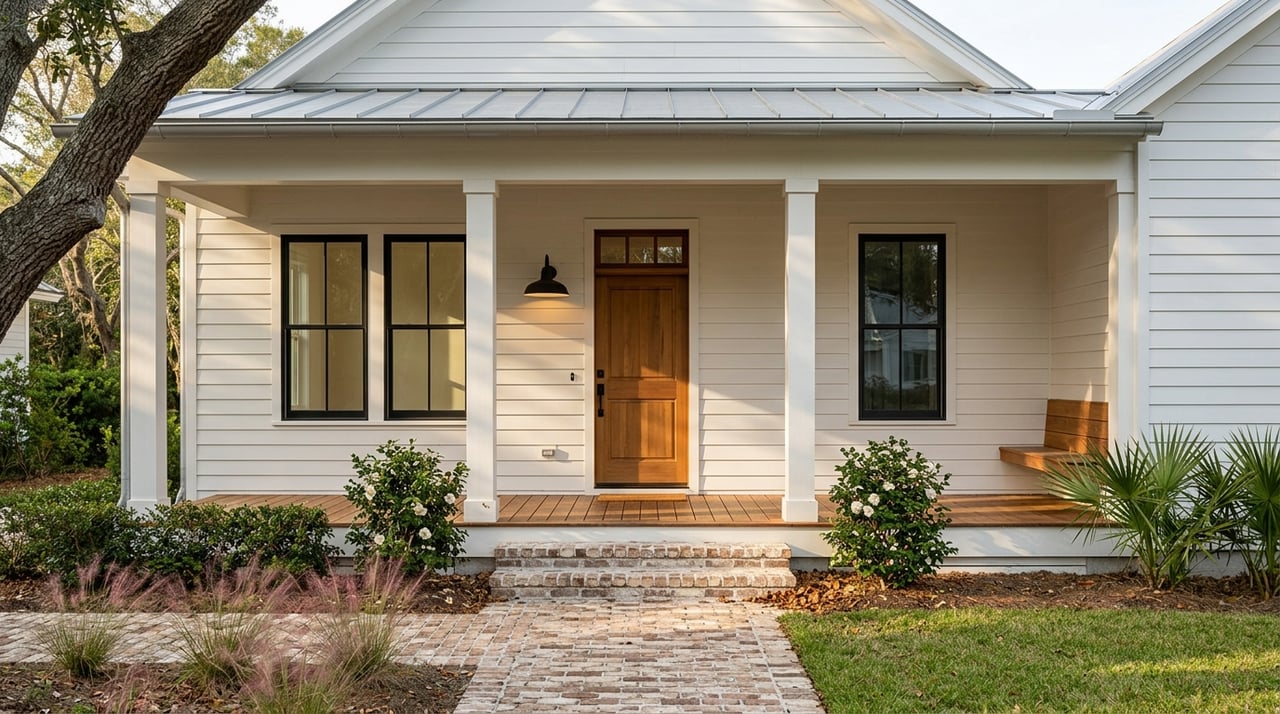
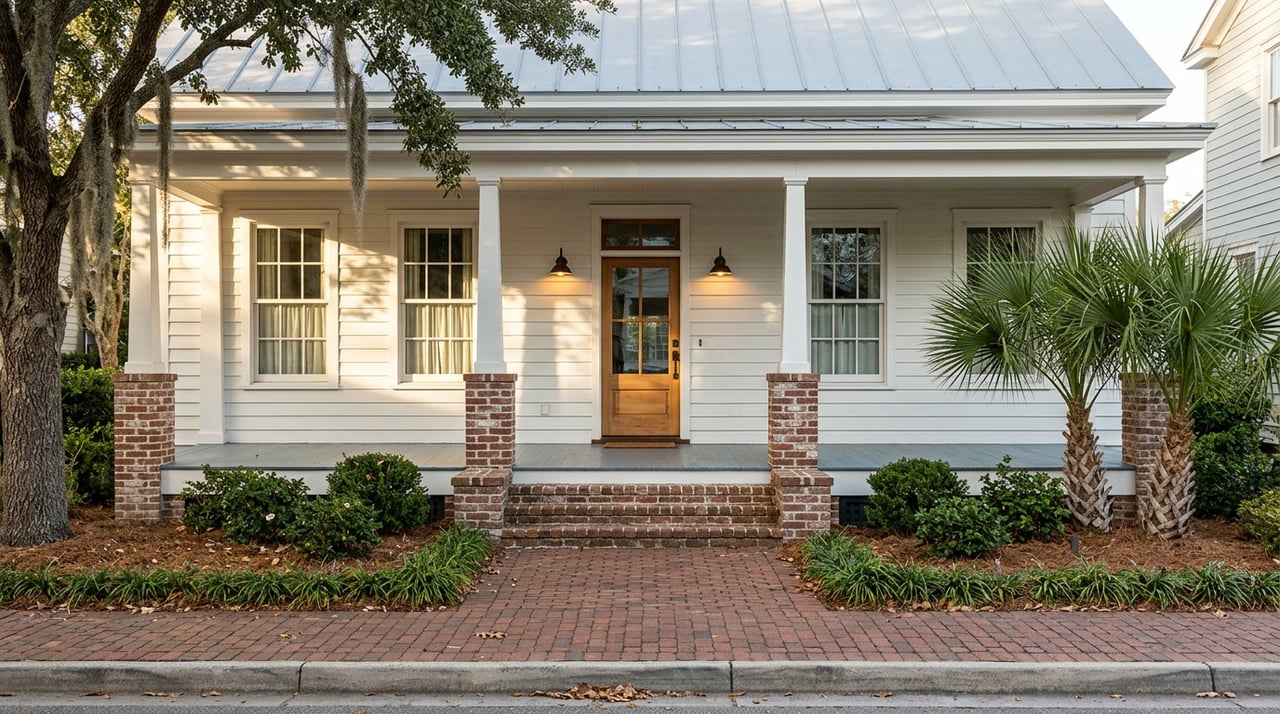
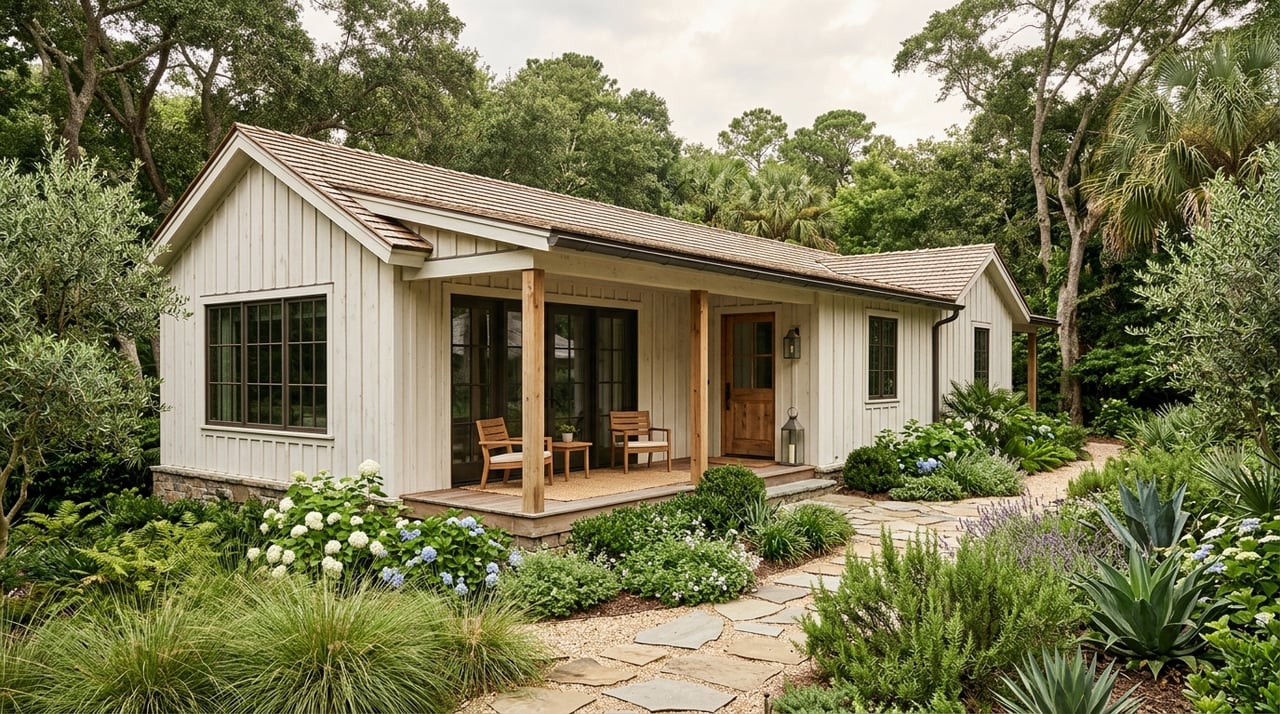
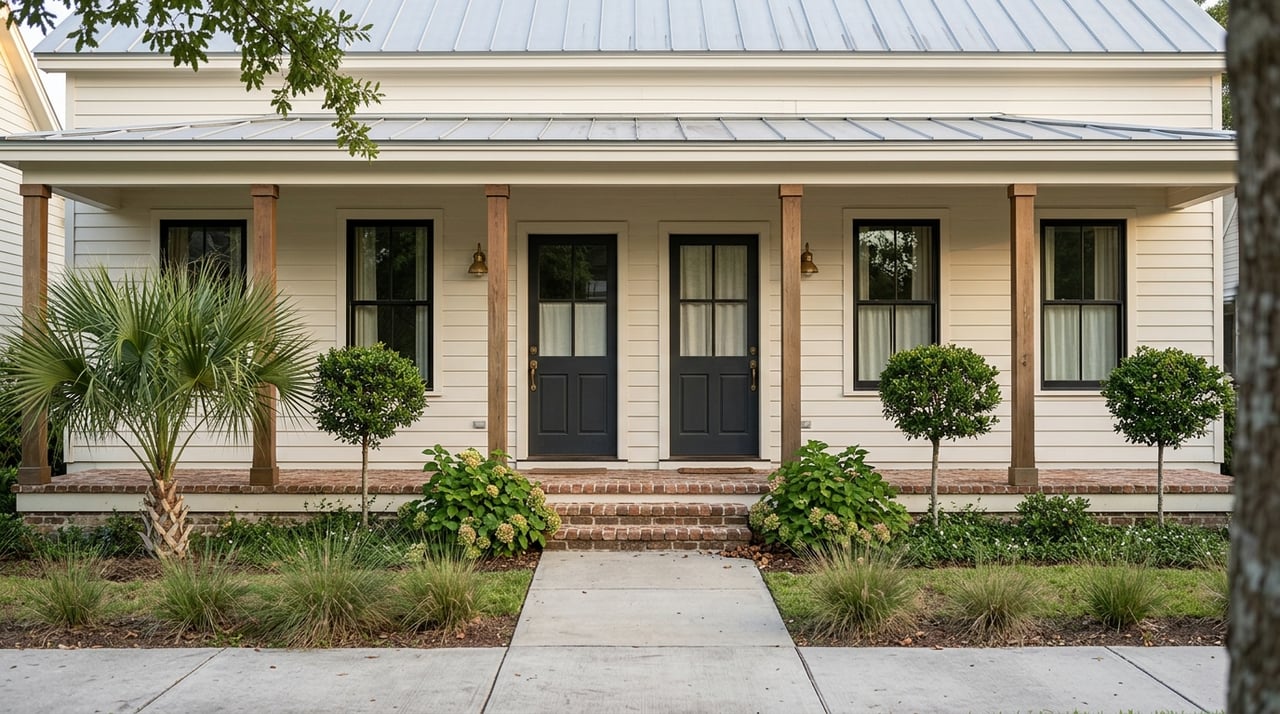
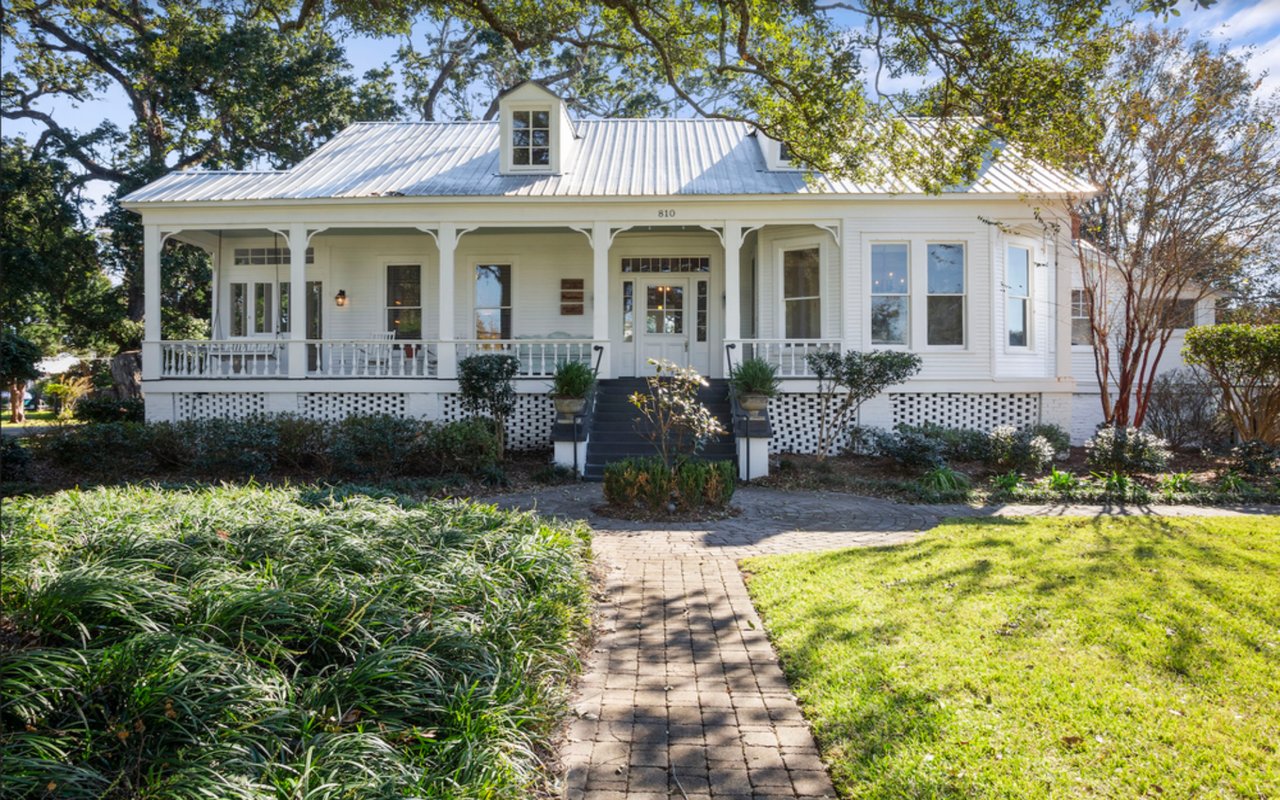
- Typical homes: historic cottages and bungalows, tasteful renovations, and a few low‑rise condos.
- Walkability: addresses along Government Street often reach “Very Walkable” scores. See an example on Walk Score for Government Street.
- Ownership notes: smaller, turnkey cottages and condos near the core often command a lifestyle premium and can move fast. Proximity to Front Beach can boost appeal, but read the flood and wind sections below before you set your budget.
Front Beach and East Beach
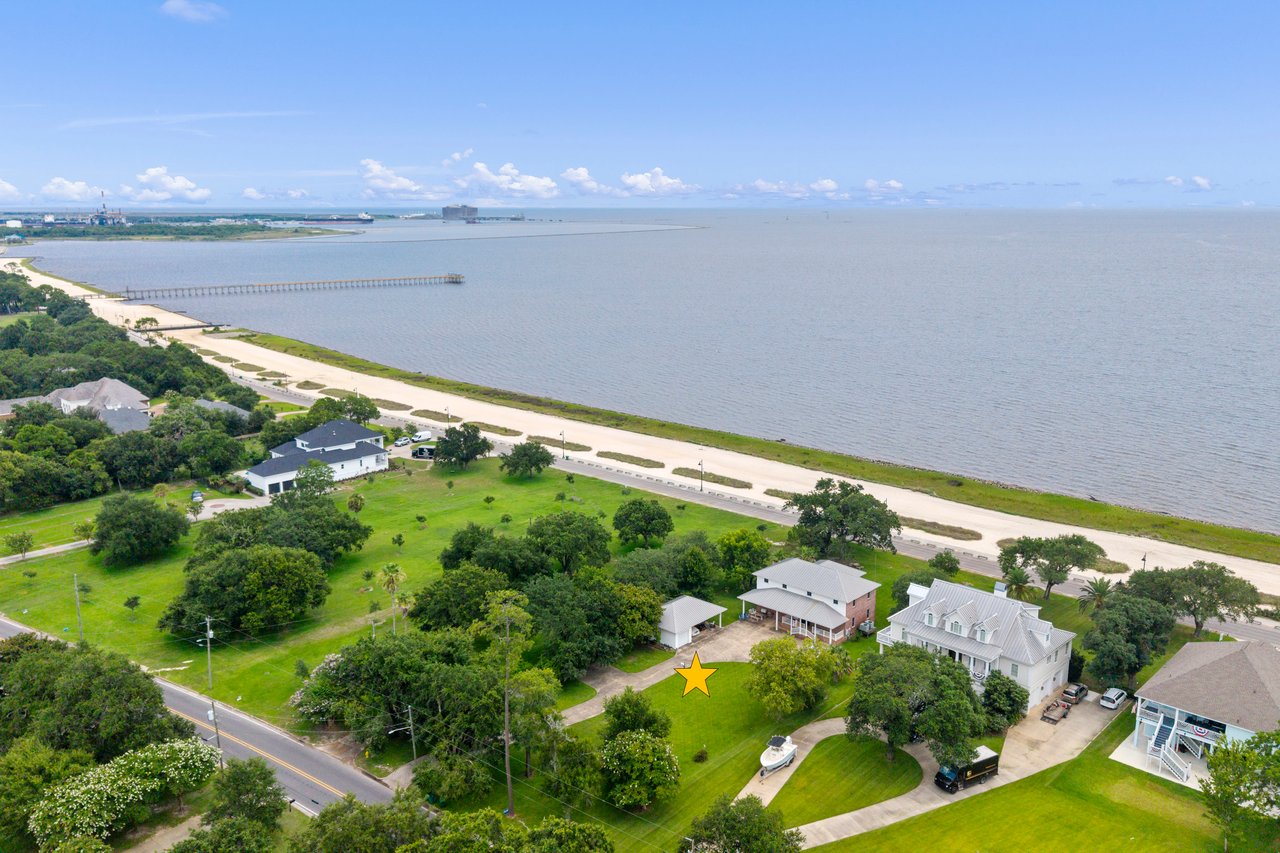
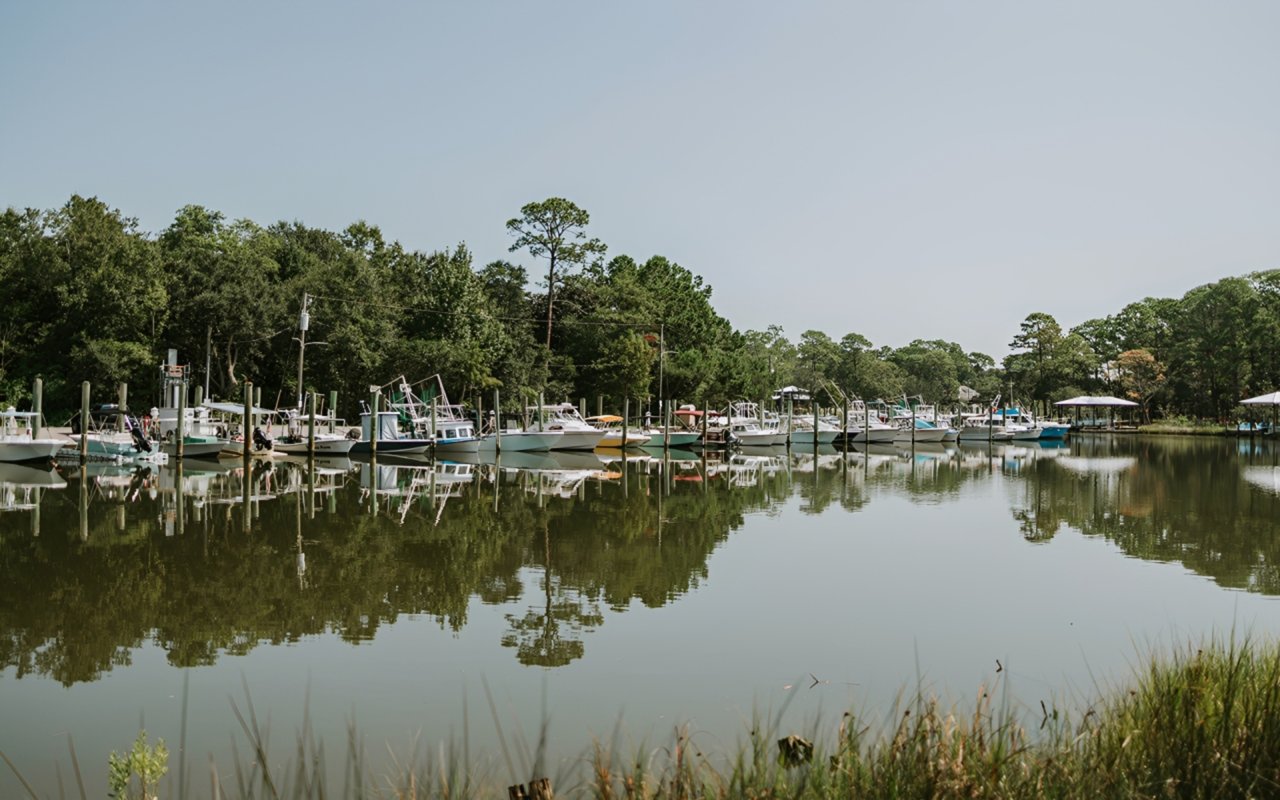
If your upgrade plan is “downtown + sand,” this strip is the classic choice. Front Beach and the Fort Maurepas park corridor offer quick access to the water, playgrounds, and sunset walks.
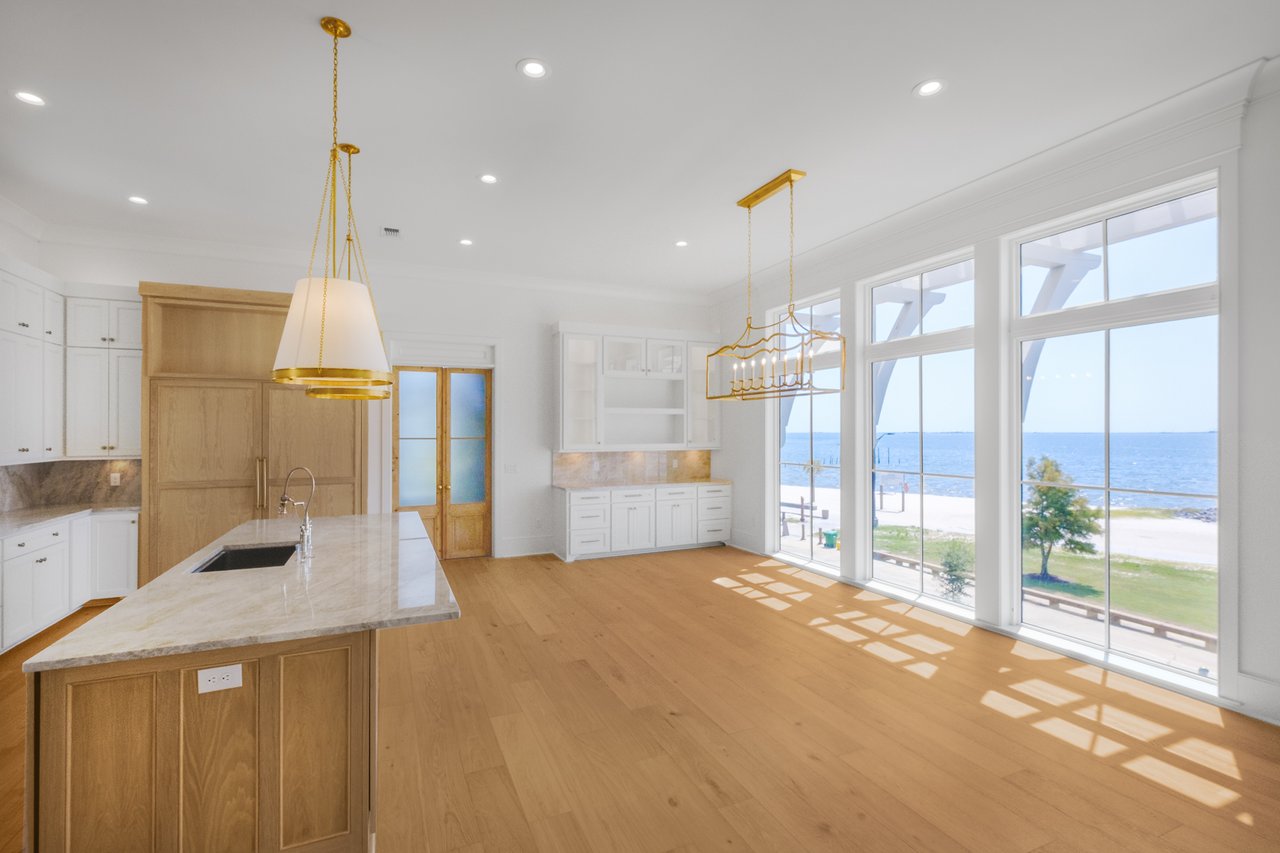
- Typical homes: true beachfront parcels, raised cottages close to the sand, and higher‑end bayoufront options a bit inland.
- Tradeoffs: these blocks are closer to mapped coastal flood and high‑velocity zones. Expect flood insurance requirements and higher wind premiums. Ocean Springs’ planning documents highlight surge and floodplain realities, so confirm the exact zone at the address level. Review the city’s comprehensive plan hazard context as a primer.
“Golf‑cart” district: Oak Park, Bienville, The Inlet
This is the sweet spot for many upgraders who want a small‑lot single‑family home or a low‑rise condo within a short bike or golf‑cart ride to restaurants and the beach.
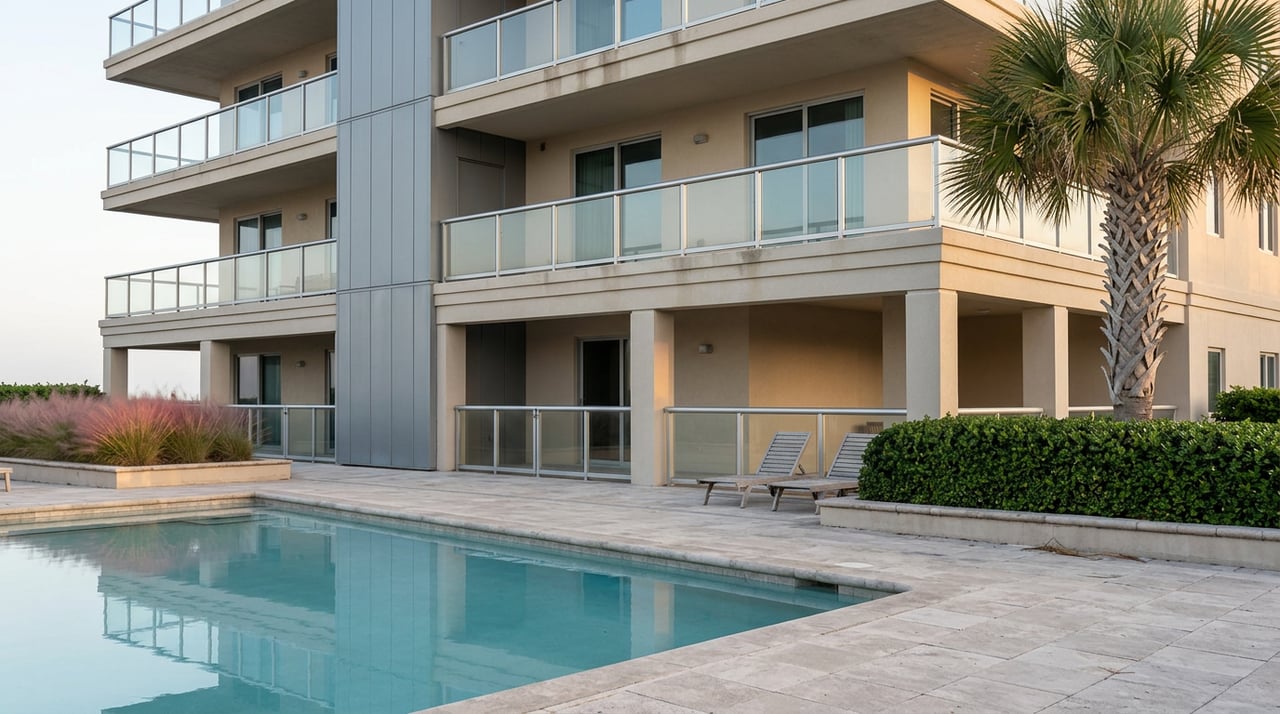
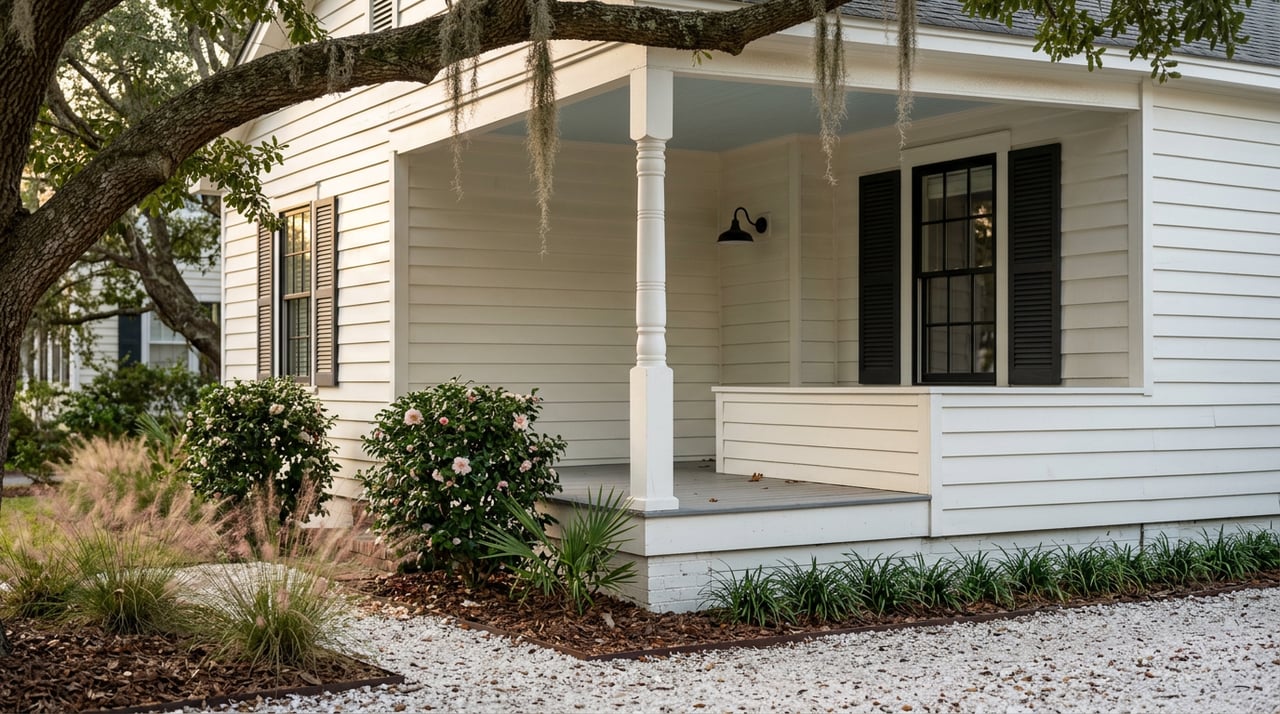
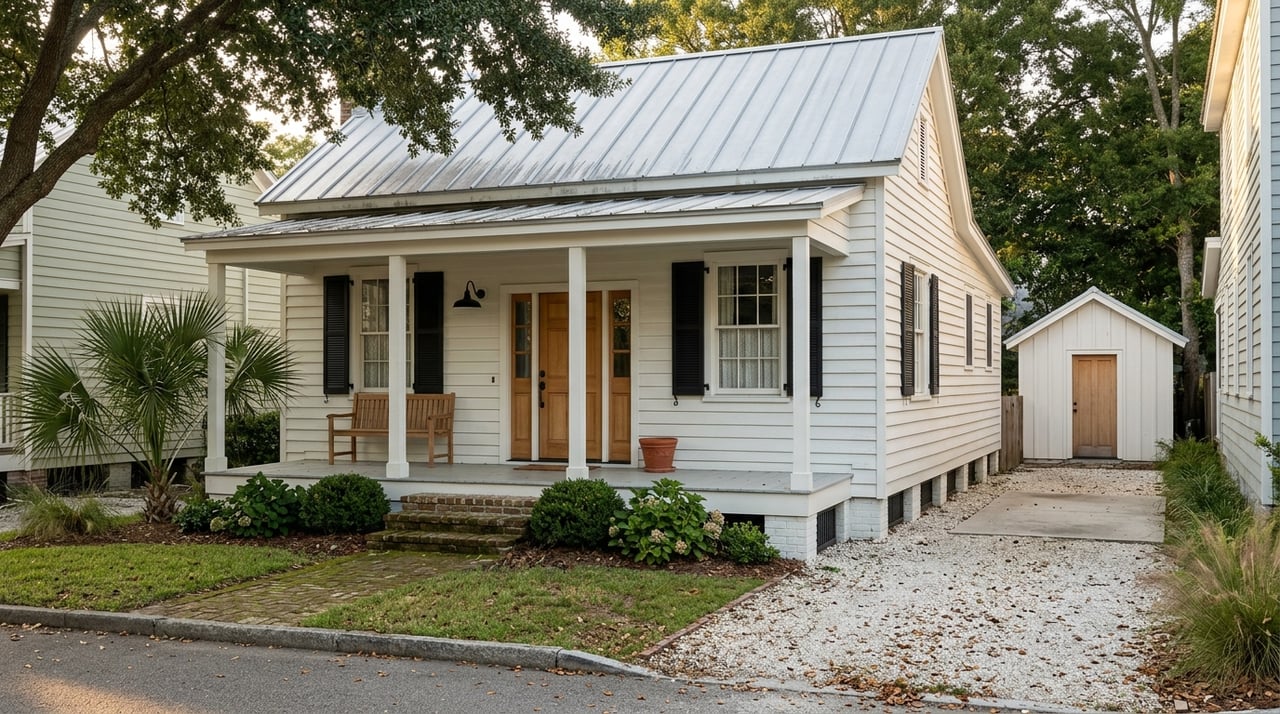
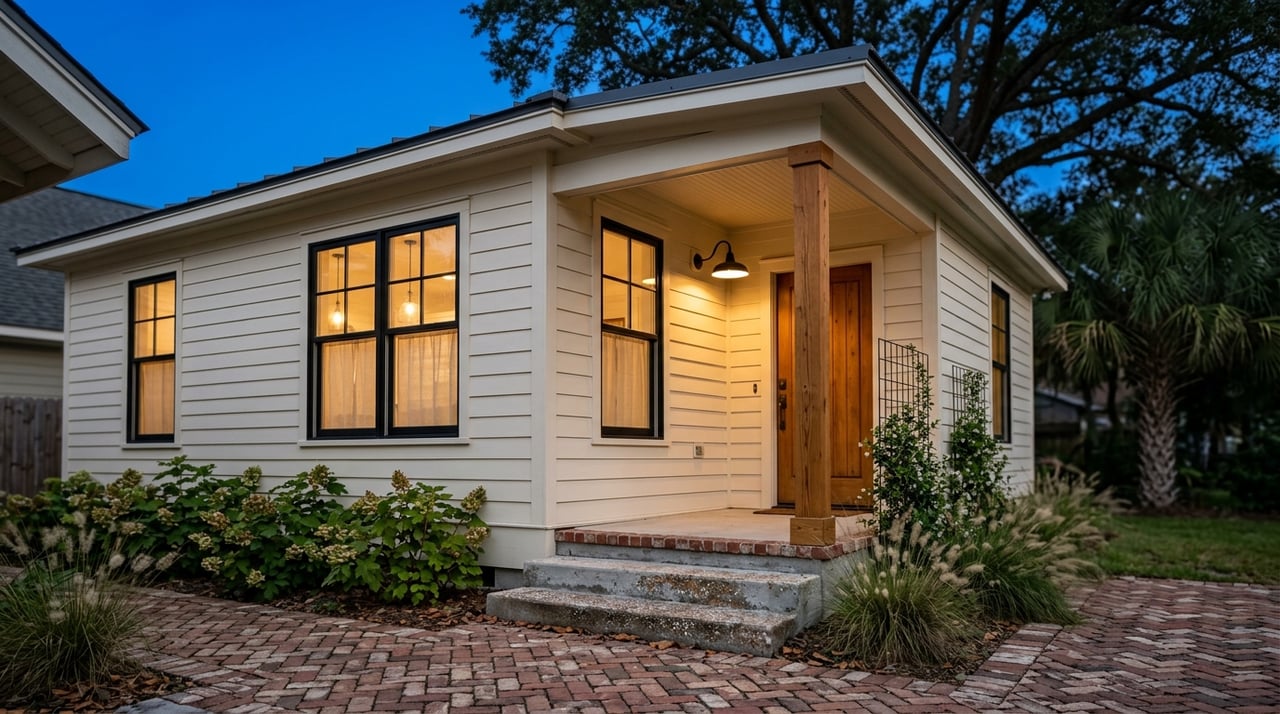
- Typical homes: cottage‑scale single‑family, renovated bungalows, and condo communities like The Inlet and others.
- Walkability: many blocks score well, especially closest to the core. The score drops as you move out, so check each address.
- Ownership notes: condos vary in HOA dues and coverage. Compare what the master policy includes, reserves, roof timelines, and any flood components in the HOA policy.
Just beyond the core: Gulf Hills, Belle Fontaine Point, Old Fort Bayou
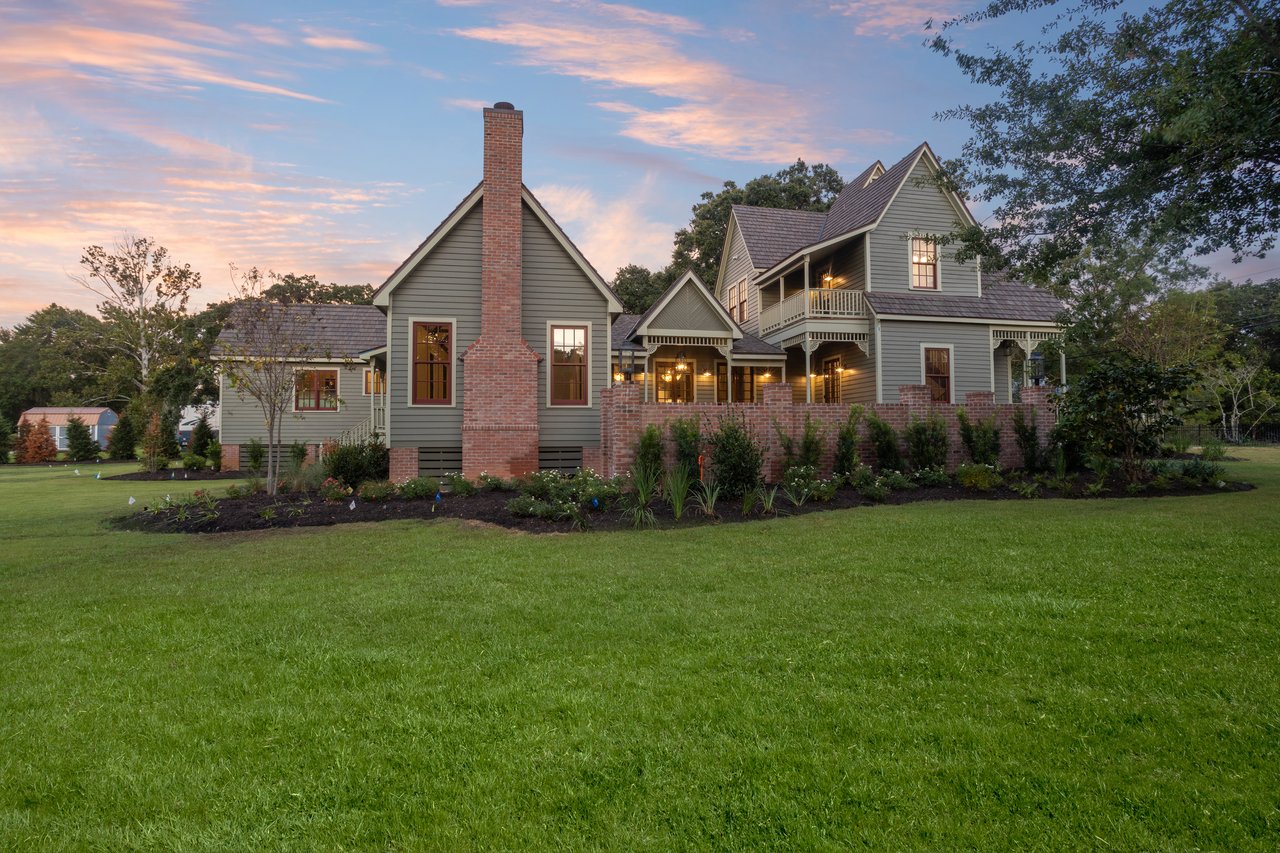
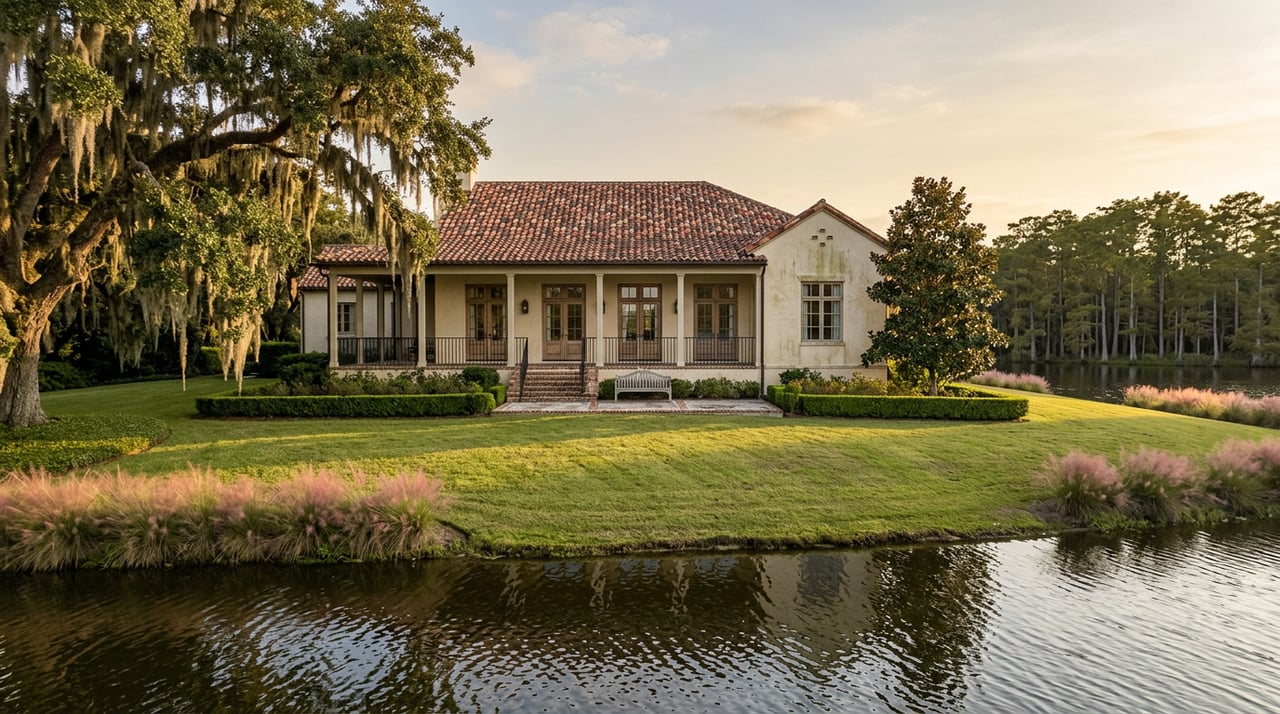
A few minutes out, you trade walkability for space. Expect larger lots, bayoufront estates, and a golf course community in Gulf Hills.
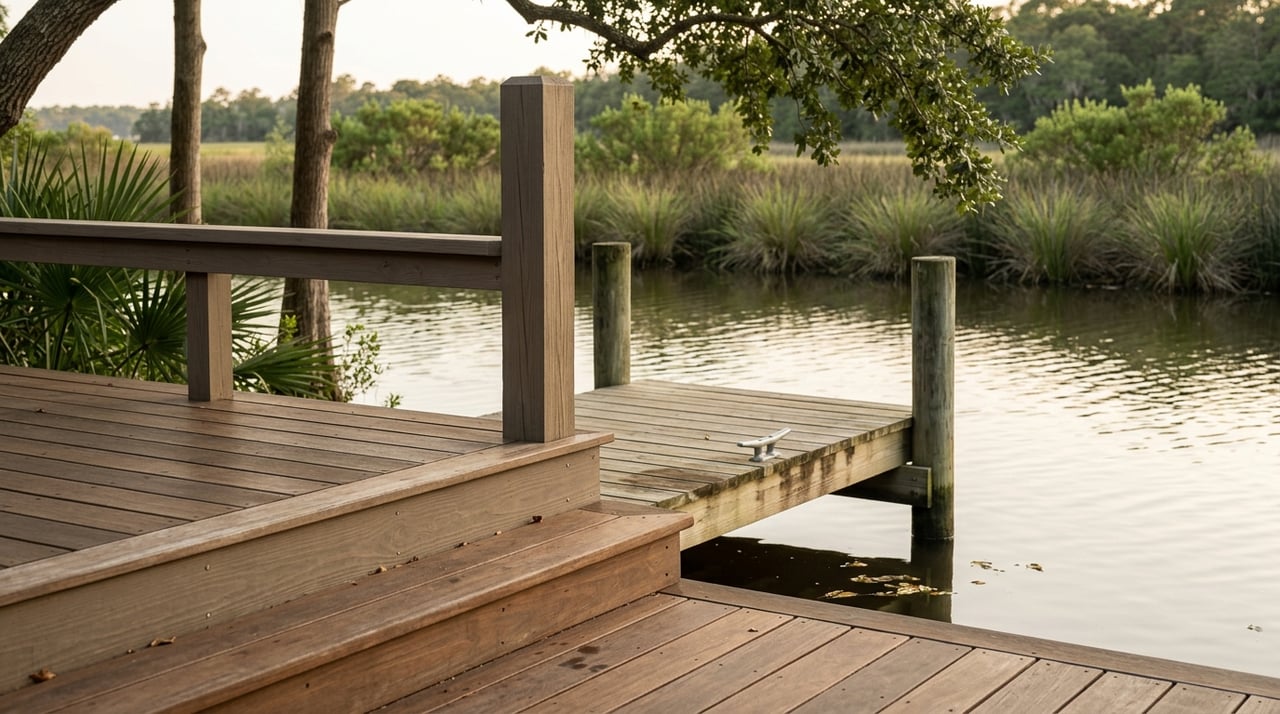
- Fit: you will likely choose this zone if you want a dock, bigger yards, or more privacy. Drives to galleries and restaurants are longer, which is a worthwhile swap for many households.
Ownership costs and risk checks that shape your budget
Smart upgrades start with the non‑negotiables: taxes, flood and wind coverage, and how the home is built.
Property taxes in Ocean Springs
Effective tax‑rate estimates differ by source and method. Some city‑level aggregators show an Ocean Springs figure around 1.18 percent, while county‑level estimates for Jackson County often land closer to 0.7 percent. See a compiled trend view on Ownwell’s Ocean Springs page. Always verify the current millage and homestead exemptions with the Jackson County Tax Assessor for the specific property.
Flood zones, elevation, and flood insurance
If a home is in a FEMA Special Flood Hazard Area, most lenders will require flood insurance. Start with an address lookup at the FEMA Map Service Center, then request any existing elevation certificate from the seller.
- Do not rely on an “average premium.” Costs vary by zone, elevation, replacement value, and prior claims.
- Ask for both NFIP and private flood quotes early. Your lender’s determination and your elevation data will guide options.
- For local surge and floodplain context, review Ocean Springs’ comprehensive plan and confirm block‑level details for each address.
Wind coverage and hurricane deductibles
On the Mississippi Coast, wind coverage is a distinct cost item and can be dynamic. Mississippi’s residual wind market, often called the windpool, supports coastal availability and has seen rate adjustments in recent years. Learn the backdrop in this GAO overview of coastal wind markets.
Many coastal homeowners policies carry named‑storm or hurricane deductibles, typically set as a percentage of insured value. Read sample policies and renewal notices, and discuss with a local agent. For a consumer‑friendly explainer on hurricane deductibles, see United Policyholders’ guide.
Building codes, elevation, and mitigation
After Katrina, coastal building practices tightened. Elevated openings, pier or pile foundations, and wind‑resistant details are common in beach‑adjacent areas. Ask whether the lot is buildable without significant elevation work and whether the seller has a recent elevation certificate. Factor shutters, roof age, and strapping into your offer strategy.
Resale positioning: where lifestyle and value meet
Walkability often carries a pricing premium over time. Research shows that homes in walkable neighborhoods tend to outperform their broader metros on appreciation, a pattern we also see in Ocean Springs’ downtown pockets. See the bigger picture in City Observatory’s analysis of walkable price performance.
School reputation is another driver for many buyers. Ocean Springs High School shows strong ratings on consumer sources like GreatSchools. If you plan to sell in a few years, a home within the district can support demand.
Commute reality matters too. Many households choose downtown for lifestyle, then keep a car for work trips to Biloxi or Keesler AFB. Typical drives range from about 15 to 30 minutes depending on gates and traffic. Check a real‑time map from the address you are considering.
What $300K–$400K can buy, by feel
Price bands vary week to week, but this is how the experience often lines up within a $300K–$400K search range:
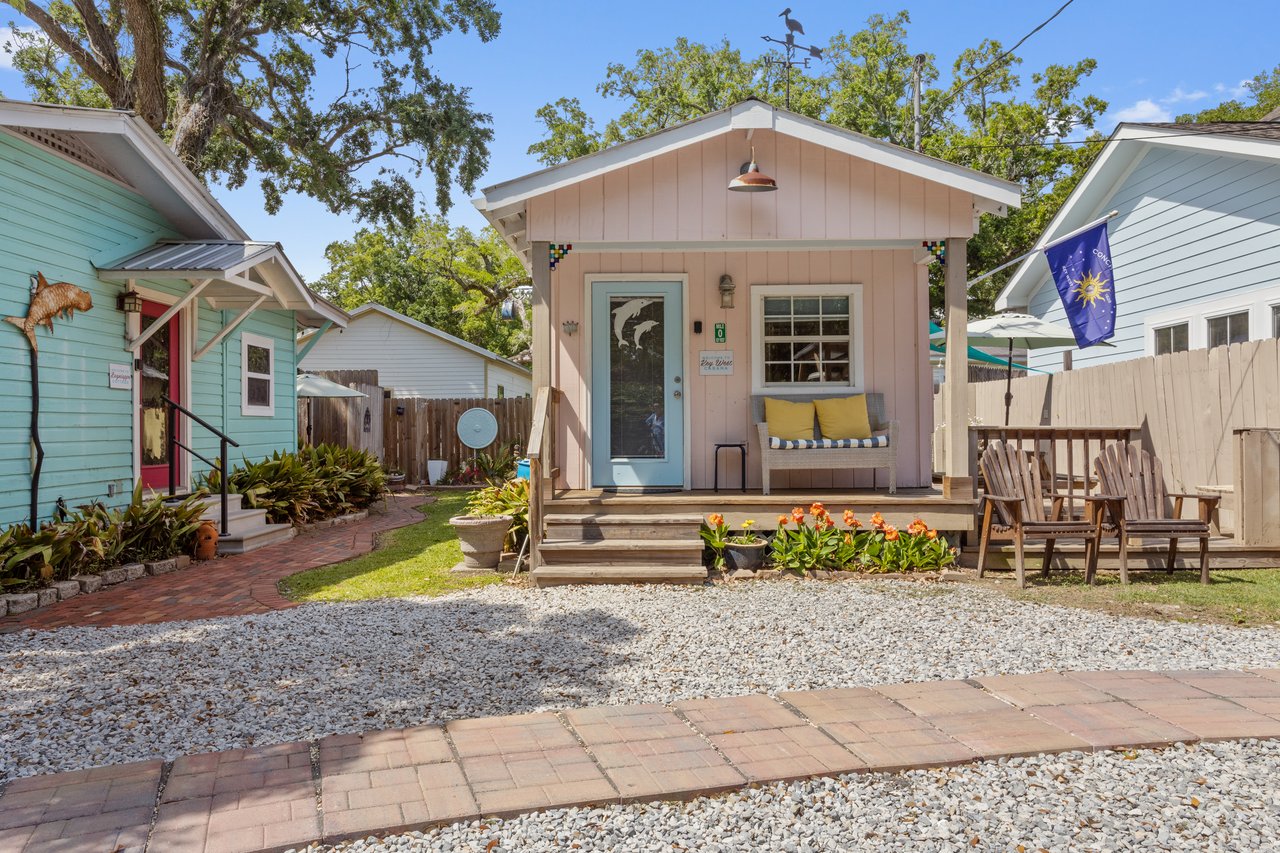
- Downtown core: smaller renovated cottages or a well‑kept condo near the museums and restaurants. You trade square footage for walkability.
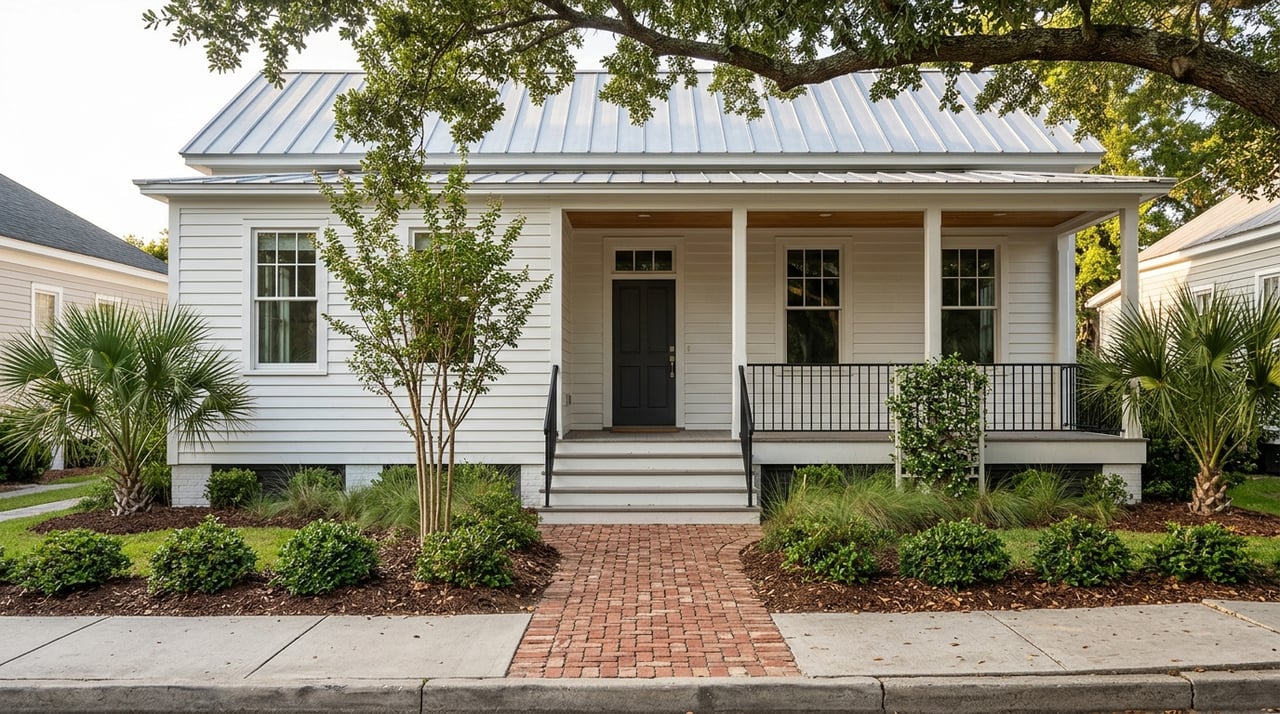
- Golf‑cart district: cottage‑scale single‑family with a small yard or a low‑rise condo that keeps you within a quick ride to Government Street.
- Front Beach and East Beach: raised cottages and true beachfront parcels typically price at a premium. Some listings in this band will need updates or carry higher insurance costs.
- Just beyond the core: larger lots and more square footage are common, sometimes with bayou proximity, but you give up daily walkability.
Use active comps and pending data to fine‑tune this view in real time. The exact block, elevation, and condition will tilt value up or down.
Your upgrader game plan
Follow a clear, address‑first process so you can act with confidence when the right home appears.
- Define lifestyle priorities
- Rank what matters most: arts‑first, beach‑first, yard‑first, or commute‑first. Decide what you will trade to get it.
- Check walkability and daily flow
- Pull an address‑level score on Walk Score. Walk the route to dinner, the park, and your morning coffee.
- Map flood risk early
- Run the address on the FEMA Map Service Center. Ask for the elevation certificate and any prior flood claims disclosures.
- Get insurance reality, not averages
- Request NFIP and private flood quotes, plus homeowners with wind and hurricane deductible details. Compare scenarios for a condo vs single‑family.
- Verify taxes and HOA inputs
- Confirm the estimated tax bill with the Jackson County Tax Assessor. For condos, collect HOA dues, reserves, coverage, and any rental rules.
- Align financing and timing
- If you are selling to buy, lock your pricing and prep plan for your current home, then sequence showings and contingencies to reduce stress.
- Price with comps by micro‑area
- Pull three recent solds and current actives on the same blocks you are targeting. Let condition, elevation, and walkability drive your offer.
How Rain supports your upgrade
You deserve more than a quick search and a rushed offer. As a boutique, advisory‑led brokerage in Ocean Springs, we combine local insight with a team model that covers pricing, marketing, and operations. We help you:
- Compare micro‑areas by lifestyle, risk, and resale.
- Pressure‑test your budget with address‑specific taxes, HOA inputs, and insurance quotes from local providers.
- Time the sale of your current home with targeted marketing and presentation standards.
- Explore hold options with our property management platform if you prefer to rent your current home rather than sell.
When you are ready, we will walk the blocks with you, read the plans, and negotiate the details that matter.
Ready to find your fit downtown? Talk with an advisor at Rain.
FAQs
What makes downtown Ocean Springs truly walkable?
- The compact strip around Government Street and Washington Avenue packs galleries, cafés, and museums into a small radius, and many nearby blocks score “Very Walkable” on tools like Walk Score, so check each address for its actual score and sidewalks.
How do flood zones affect a mortgage near Front Beach?
- If a home is in a FEMA Special Flood Hazard Area, most lenders require flood insurance, so run the address on FEMA’s Map Service Center, request an elevation certificate, and get NFIP and private quotes before finalizing your offer.
Are HOA dues common for downtown condos and what should I review?
- Yes, many condos have monthly dues; review what the master policy covers, reserves, past assessments, roof or exterior timelines, and any rental restrictions that could affect cash flow and resale.
Do Ocean Springs school ratings help resale value?
- Many buyers reference consumer sites like GreatSchools, where Ocean Springs High School shows strong ratings, which supports demand from households prioritizing staying within the district.
How competitive is the current market in downtown Ocean Springs?
- Aggregate data shows multi‑week days on market, with some downtown cottages and turnkey condos moving faster due to walkability demand, so be ready to act when the right listing matches your criteria.
How should I plan for hurricane deductibles and wind coverage?
- Expect a separate wind component and a named‑storm or hurricane deductible on many coastal policies, so ask for sample policies and verify percentage deductibles against your insured value as part of your total monthly budget.