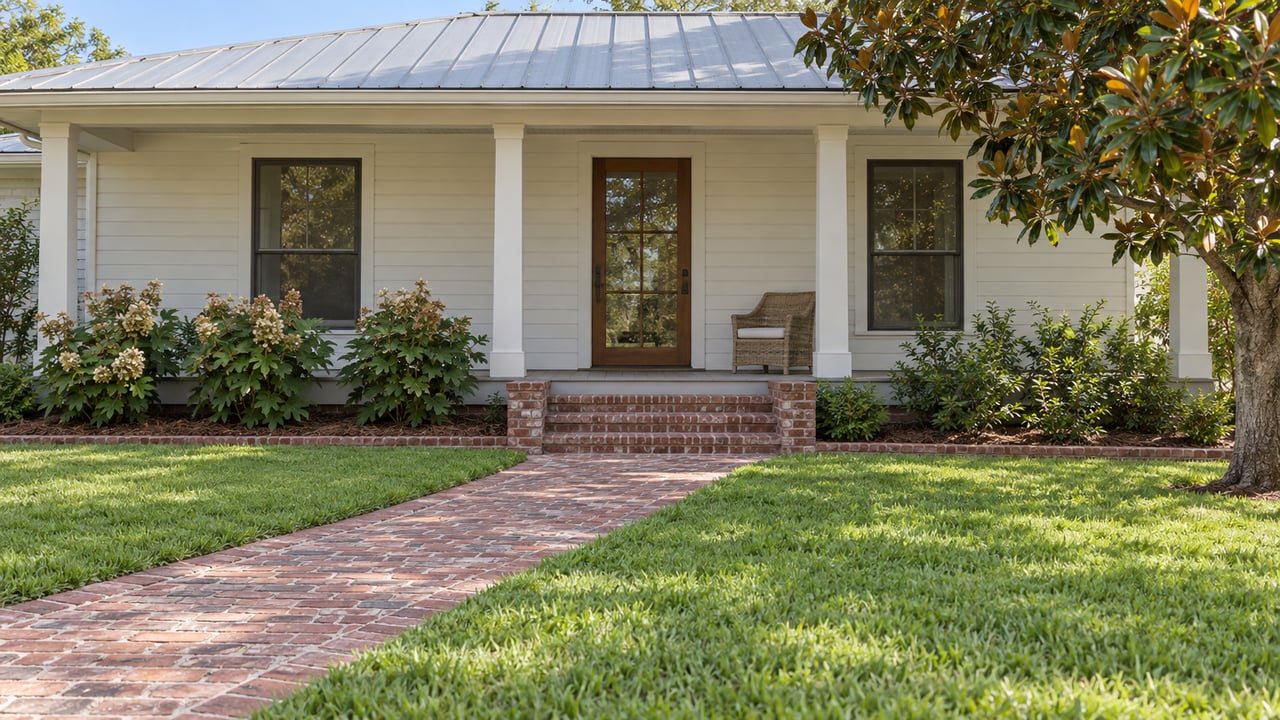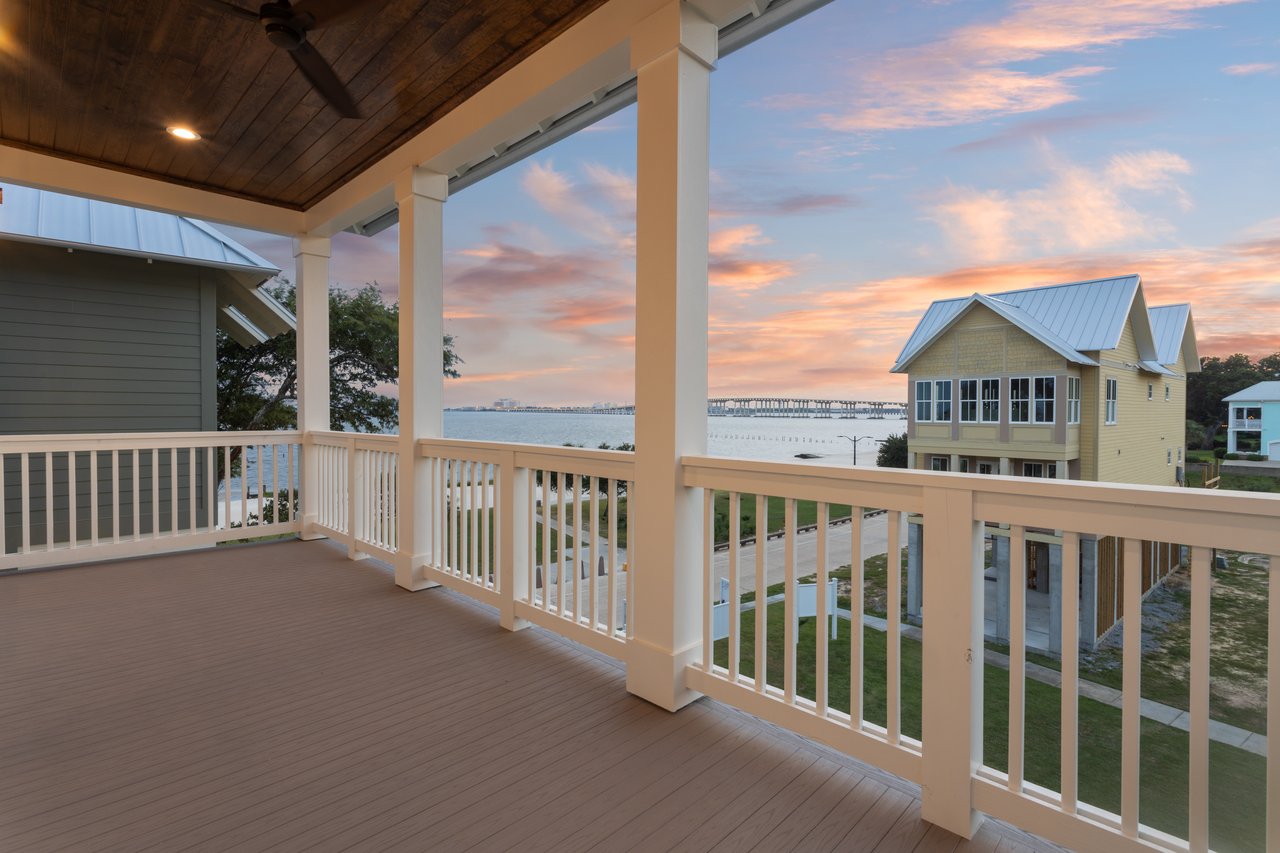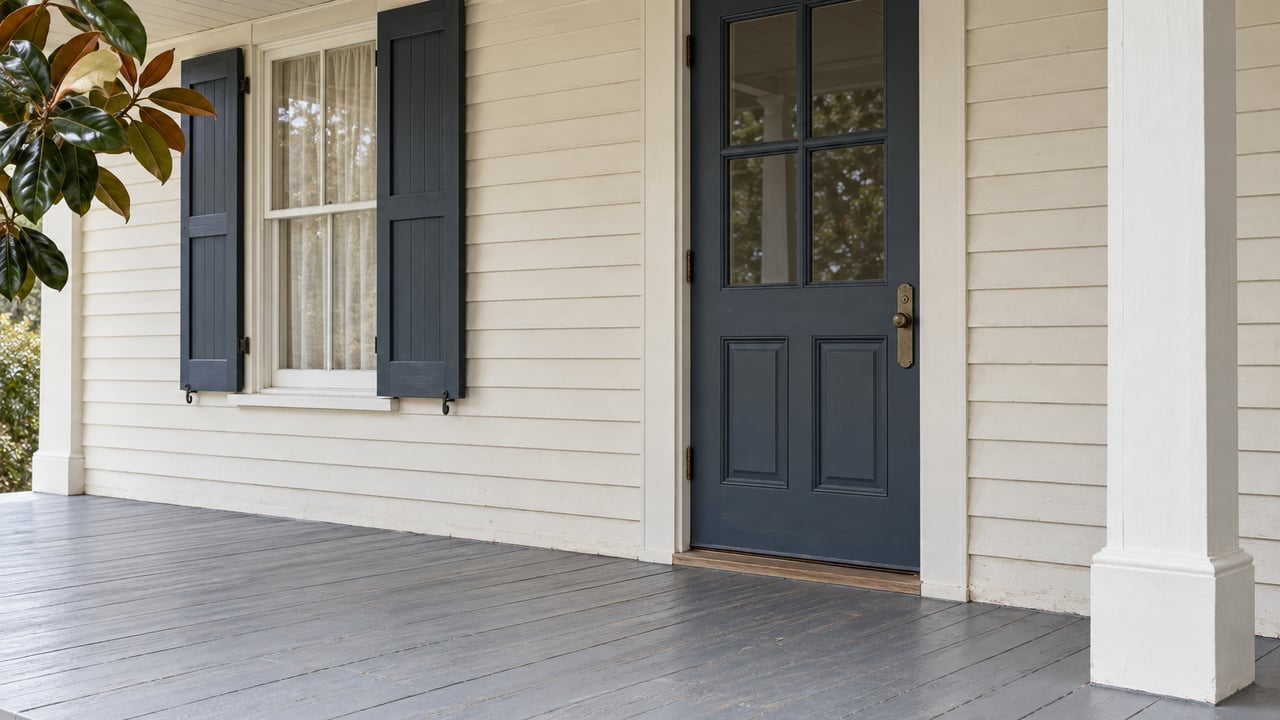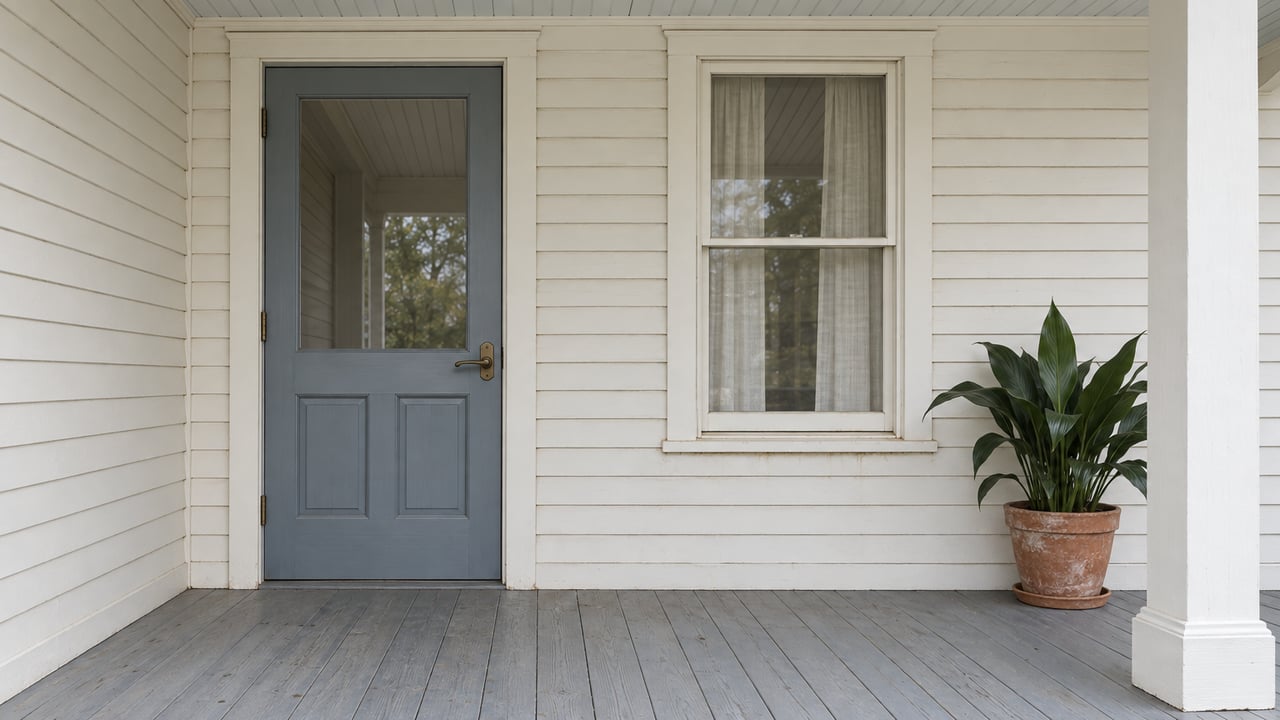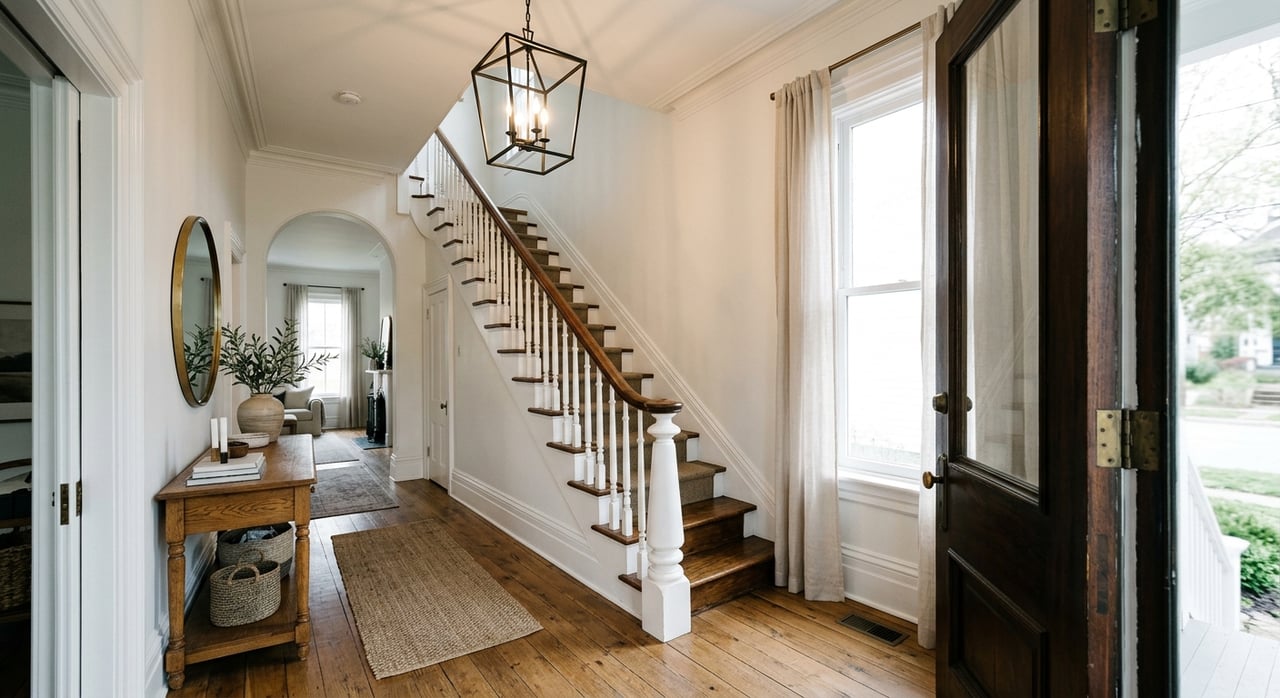
If you own a historic home in Pass Christian, you already know you are not selling a standard property. You are presenting a piece of the Coast’s architectural story, and today’s buyers will look closely at both its character and its condition. The good news is that with the right preparation, you can help your home feel relevant, well-cared-for, and easier to understand in a market where details matter. Let’s dive in.
Why character matters in Pass Christian
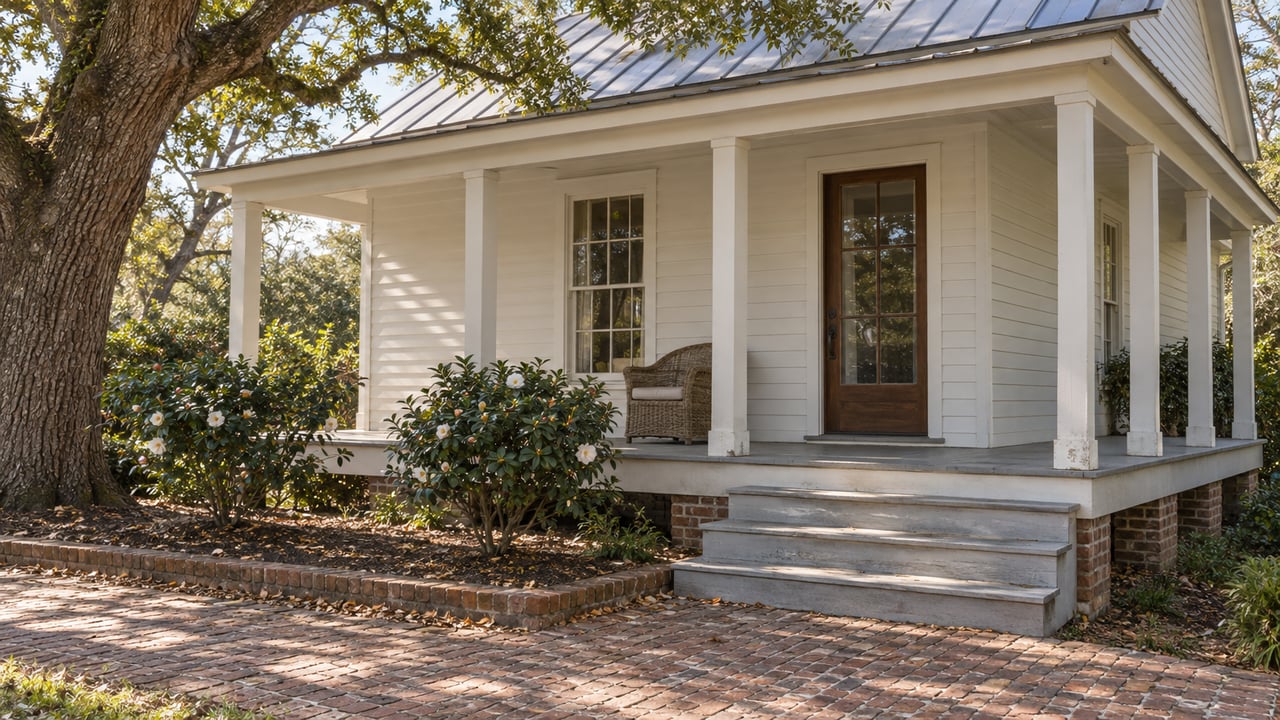
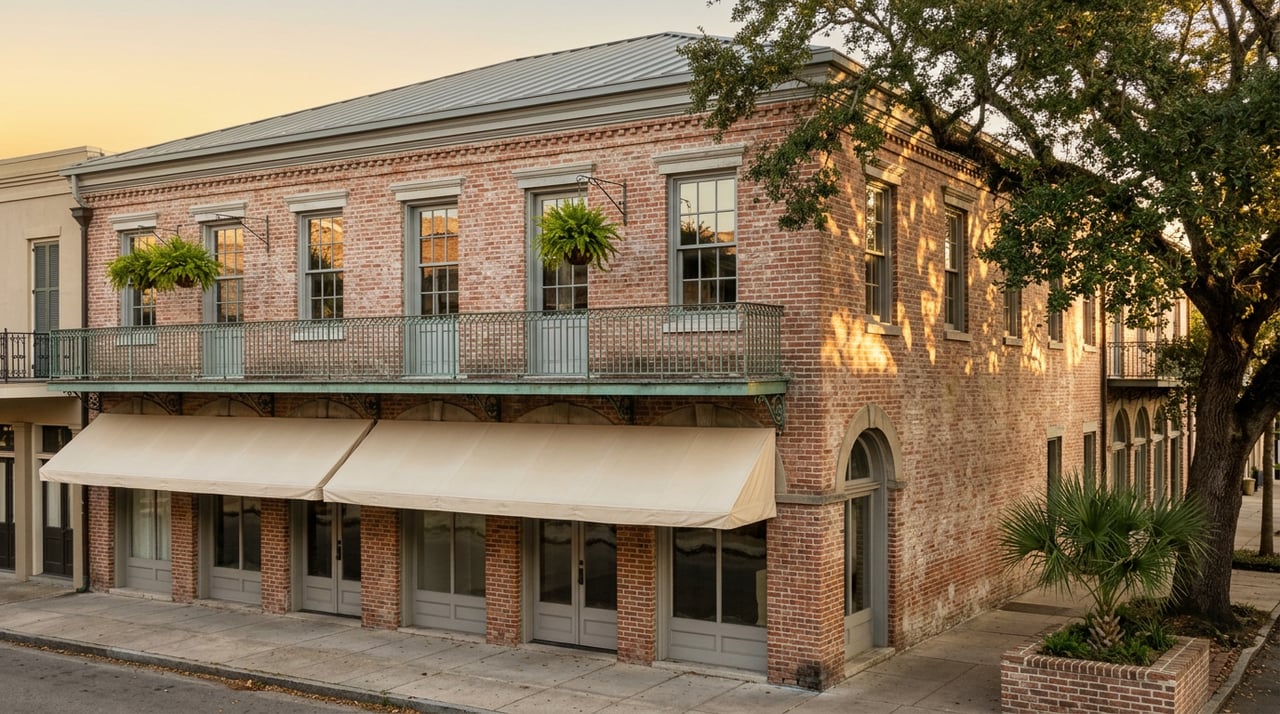
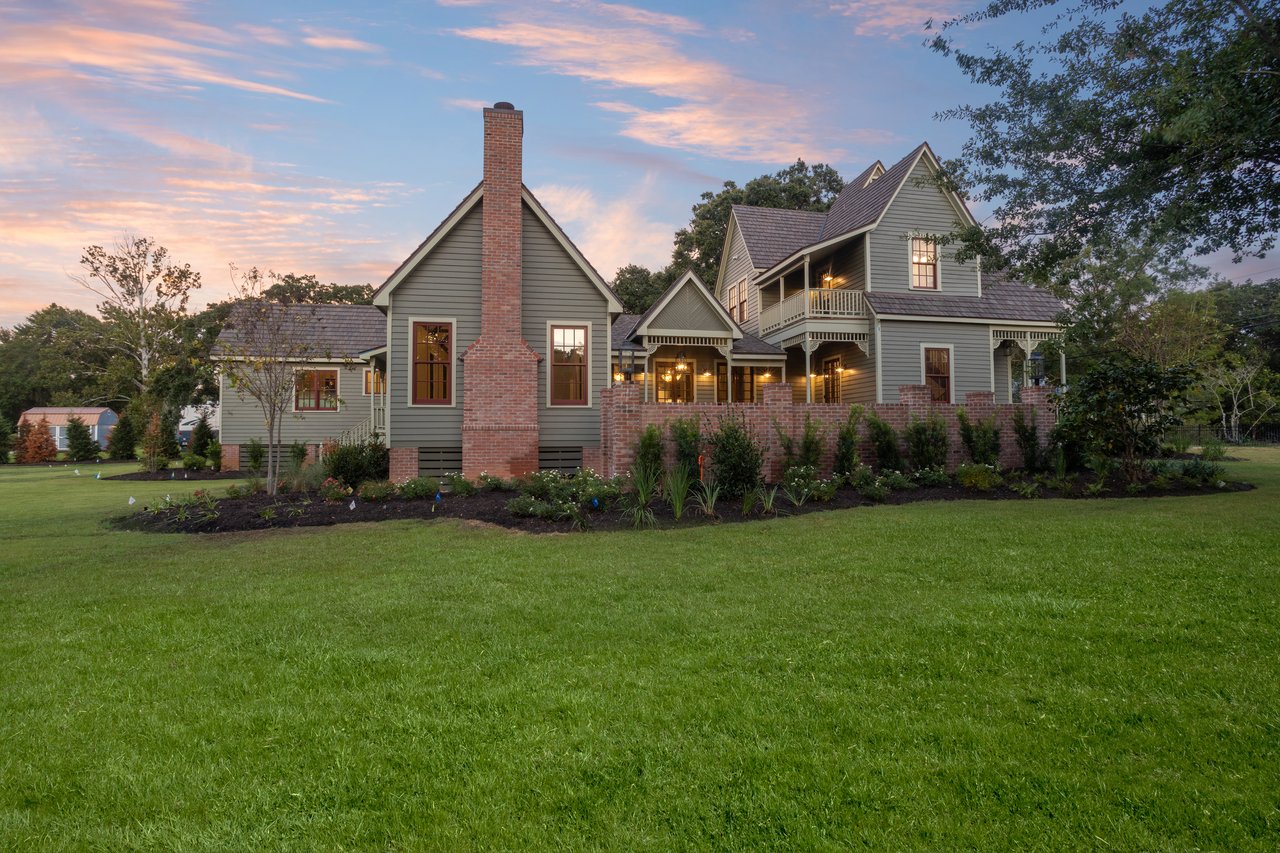
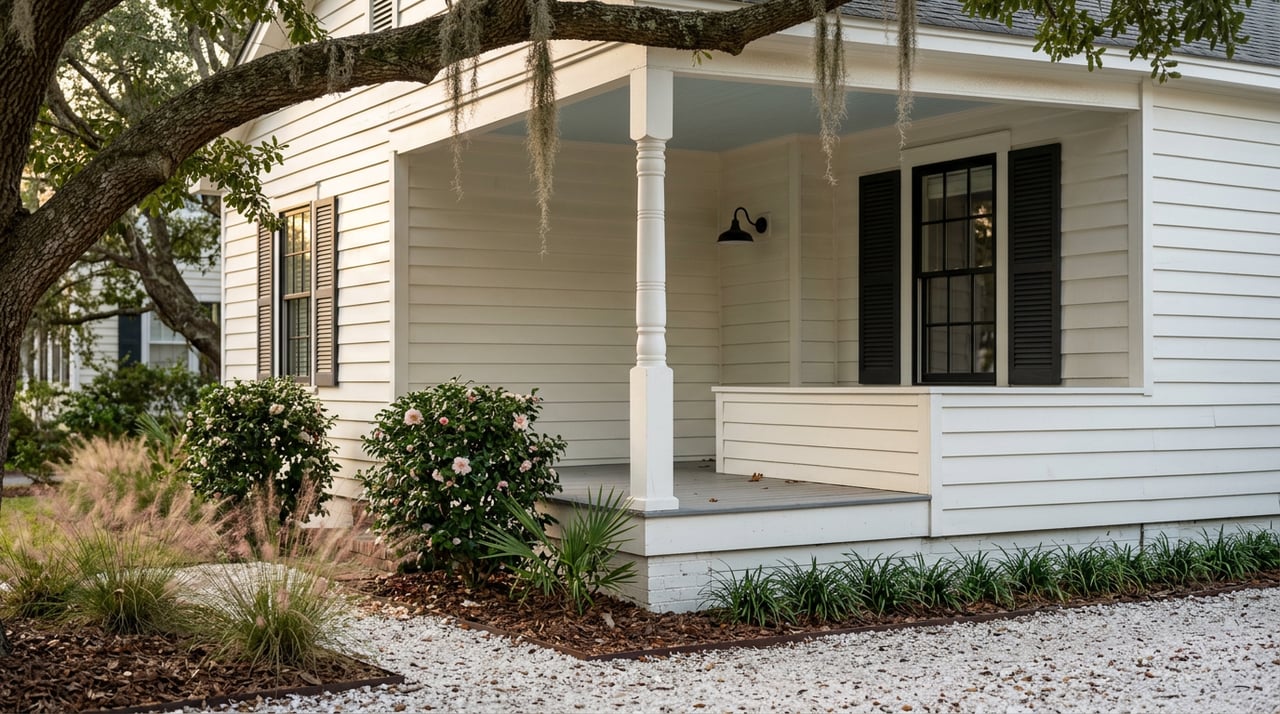
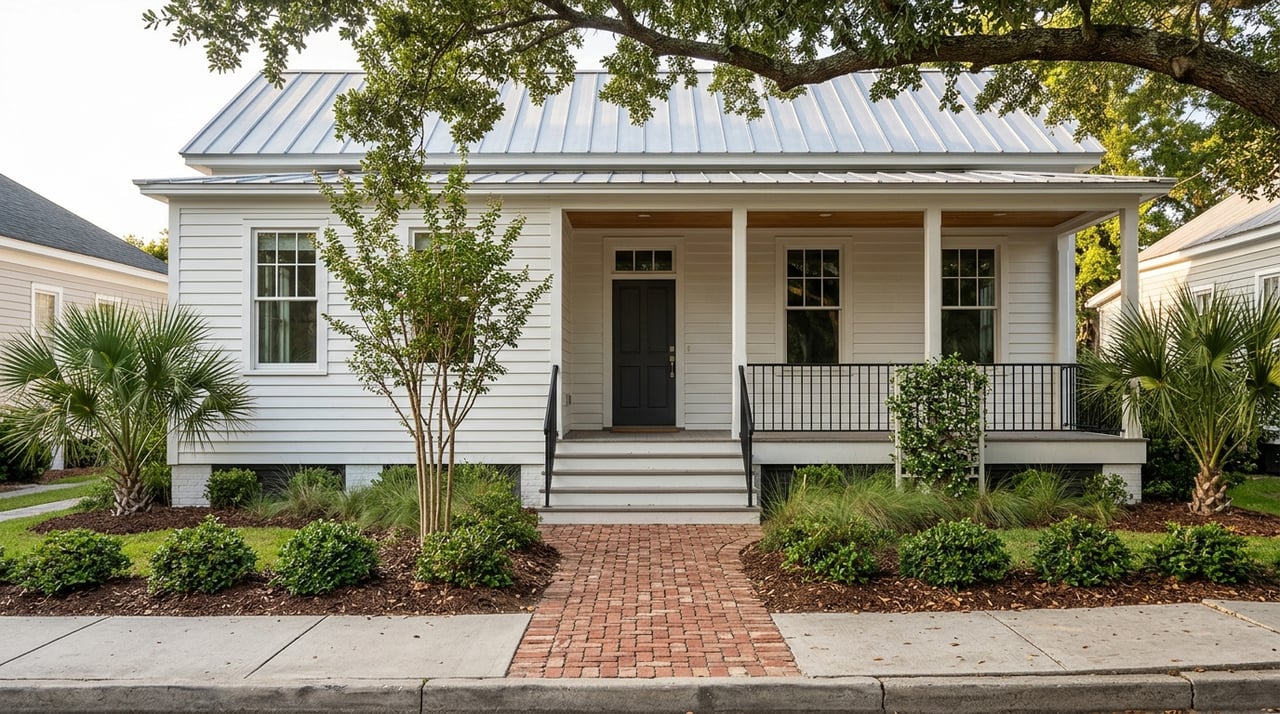
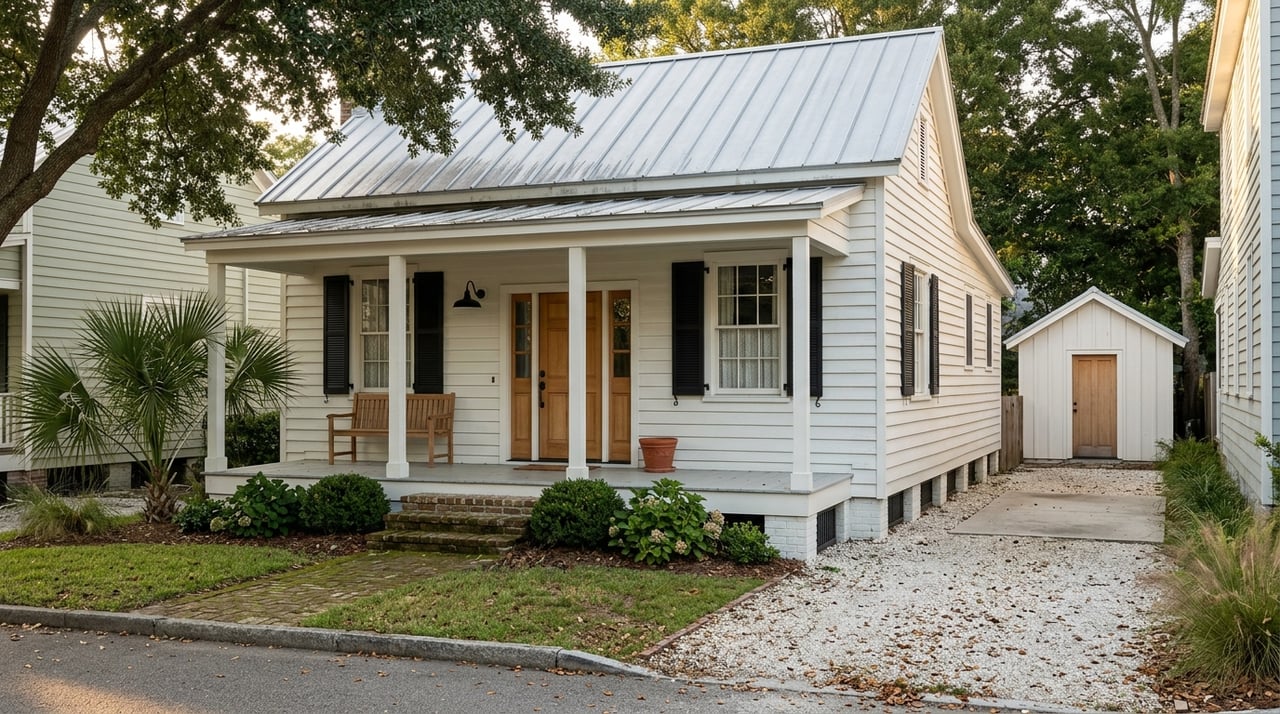
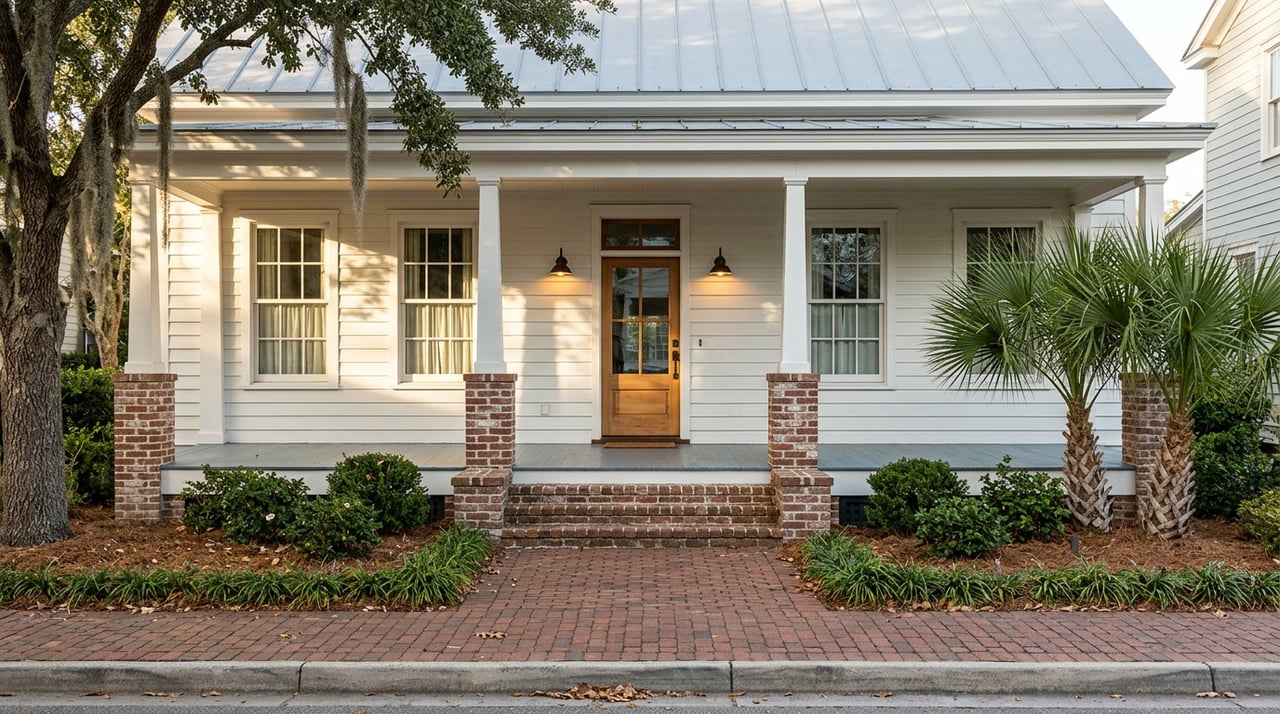
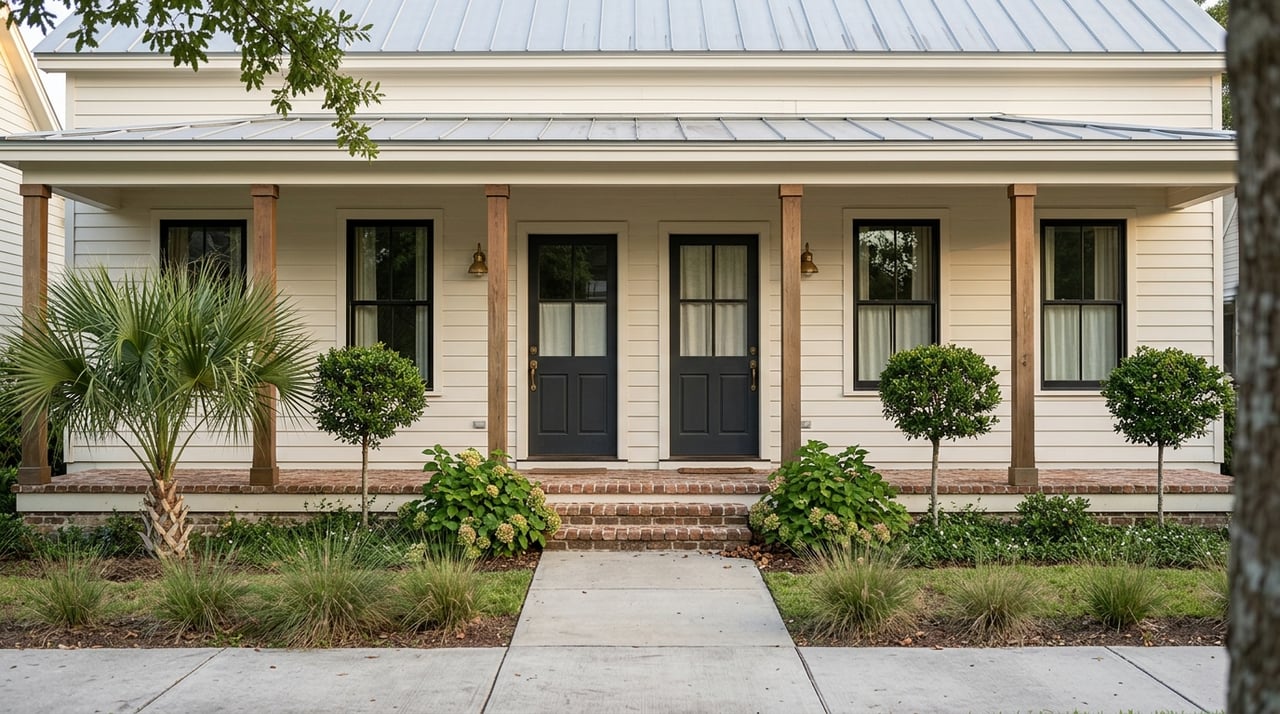
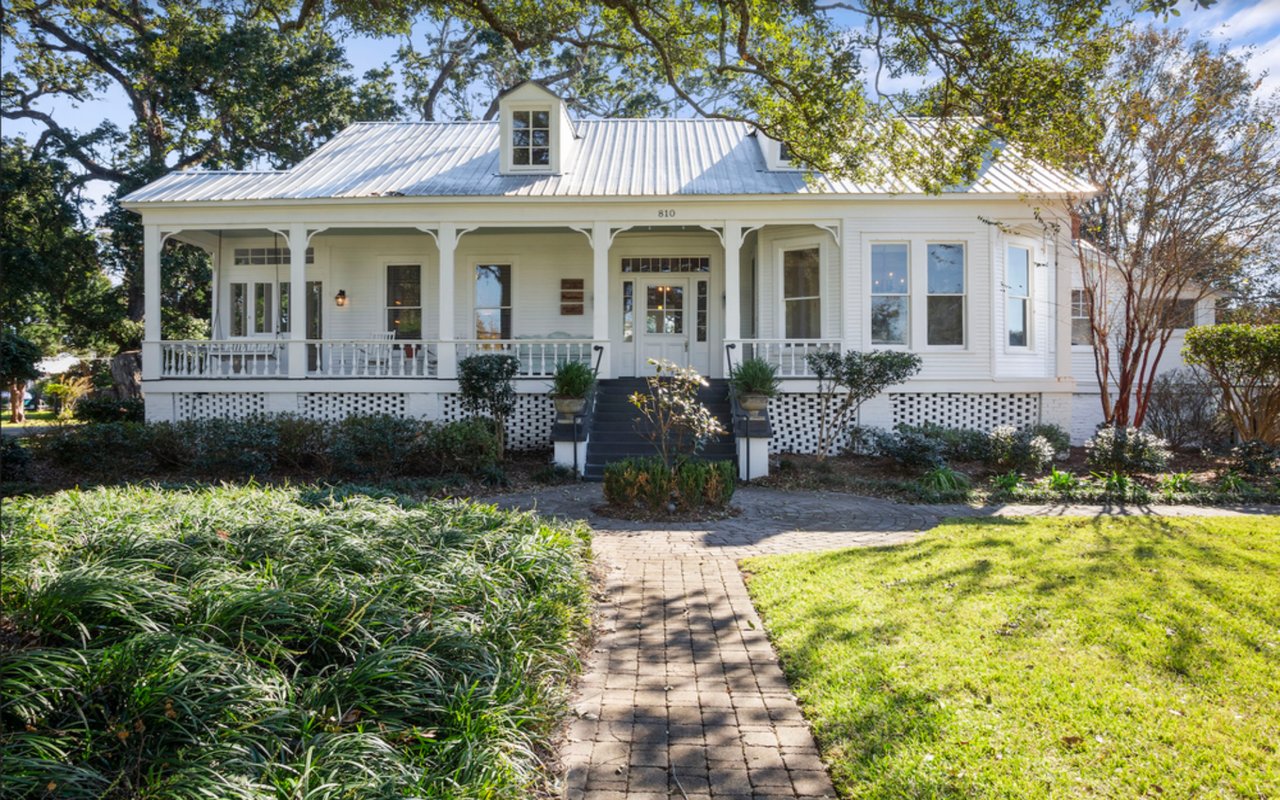
In Pass Christian, historic appeal is not just a style preference. It is part of what gives certain homes their market identity, especially within the Scenic Drive Historic District, which is known for its Colonial Revival, Greek Revival, and Late Victorian architecture, along with its notable live oak setting.
That context shapes how buyers view your home. They are often responding not only to square footage or finishes, but also to original details, streetscape presence, and how the home fits into its historic surroundings. In a place like Pass Christian, setting and architecture work together.
Start with historic district rules
Before you make exterior changes, it is important to understand what is allowed. Pass Christian’s historic guidelines state that exterior changes, demolition, relocation, signs, and new construction within the district require review and approval from the Historic Preservation Commission, along with a Certificate of Appropriateness, as outlined in the city’s historic guidelines.
That means even well-intended updates should be reviewed before work begins. If you are preparing to sell, this step can help you avoid delays, protect the home’s historic integrity, and reassure buyers that any visible changes were handled appropriately.
Update lightly, not aggressively
Historic homes usually show best when updates support the architecture instead of competing with it. The Secretary of the Interior’s Standards are a widely used preservation framework, and they recognize rehabilitation as a practical approach when a historic property needs modern function without losing its character.
For sellers, that often means choosing restraint. Clean up deferred maintenance, improve function where needed, and avoid stripping away materials or features that help tell the home’s story.
Preserve original windows when possible
Original wood windows are often an asset, not a liability. According to the National Park Service, historic wood windows can last for centuries with regular maintenance, and many damaged parts can be repaired rather than requiring full replacement.
If replacement becomes necessary, especially on visible elevations, the National Park Service recommends matching the historic windows in material and detail. For buyers in Pass Christian, authentic window lines and proportions can have a major impact on how the home feels from both the street and the interior.
Be cautious with paint and masonry
Exterior prep can make a big difference, but historic surfaces require care. The National Park Service warns that harsh paint removal can permanently damage historic woodwork, and abrasive cleaning methods or power washing can force moisture into wall materials.
Masonry deserves the same caution. For repointing, the National Park Service advises using lime-rich mortar matched to the historic mortar, rather than standard cement-heavy mixes that may not be appropriate for older construction. If your home needs exterior attention before listing, conservative work is usually the smarter path.
Modernize systems thoughtfully
Today’s buyers still want comfort and function. Updated mechanical, electrical, and plumbing systems can add confidence, but the goal is compatibility, not visual dominance.
The National Park Service notes that system upgrades are appropriate when they keep a historic property functional while preserving significant materials and features. In practical terms, that means improving performance without letting vents, fixtures, or new work distract from the architecture buyers came to see.
Prepare for online-first buyers
Most buyers will meet your home online before they ever walk through the front door. According to a seller guide from Realtor.com, buyers want detailed property information, floor plans, photos, and virtual tours, and sellers should address obvious wear and tear before listing.
For a historic Pass Christian home, that preparation should start with the basics. Touch up worn paint where appropriate, correct dated lighting that distracts from original features, and address visible maintenance items like plumbing issues, gutters, wood rot, or roofing concerns.
Stage to show scale and craftsmanship
Staging works best when it helps buyers understand how the home lives today. The National Association of Realtors’ staging survey found that 83% of buyers’ agents said staging made it easier for buyers to visualize a property as a future home.
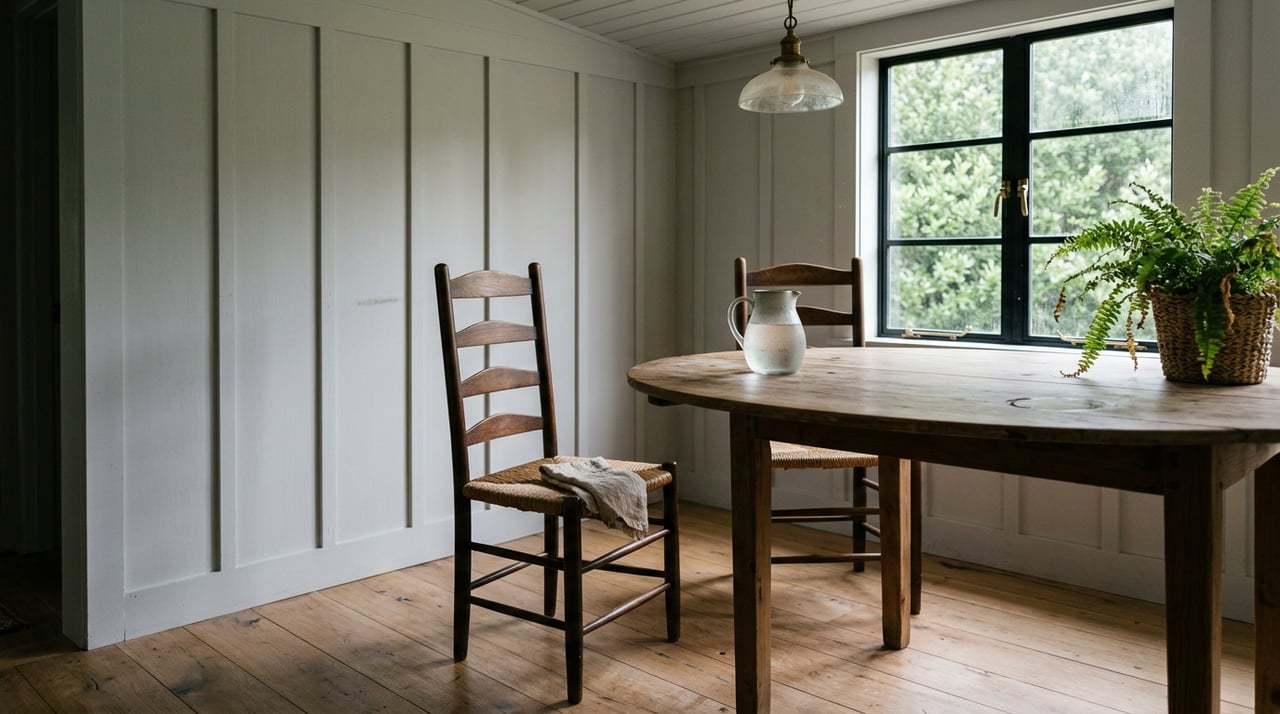
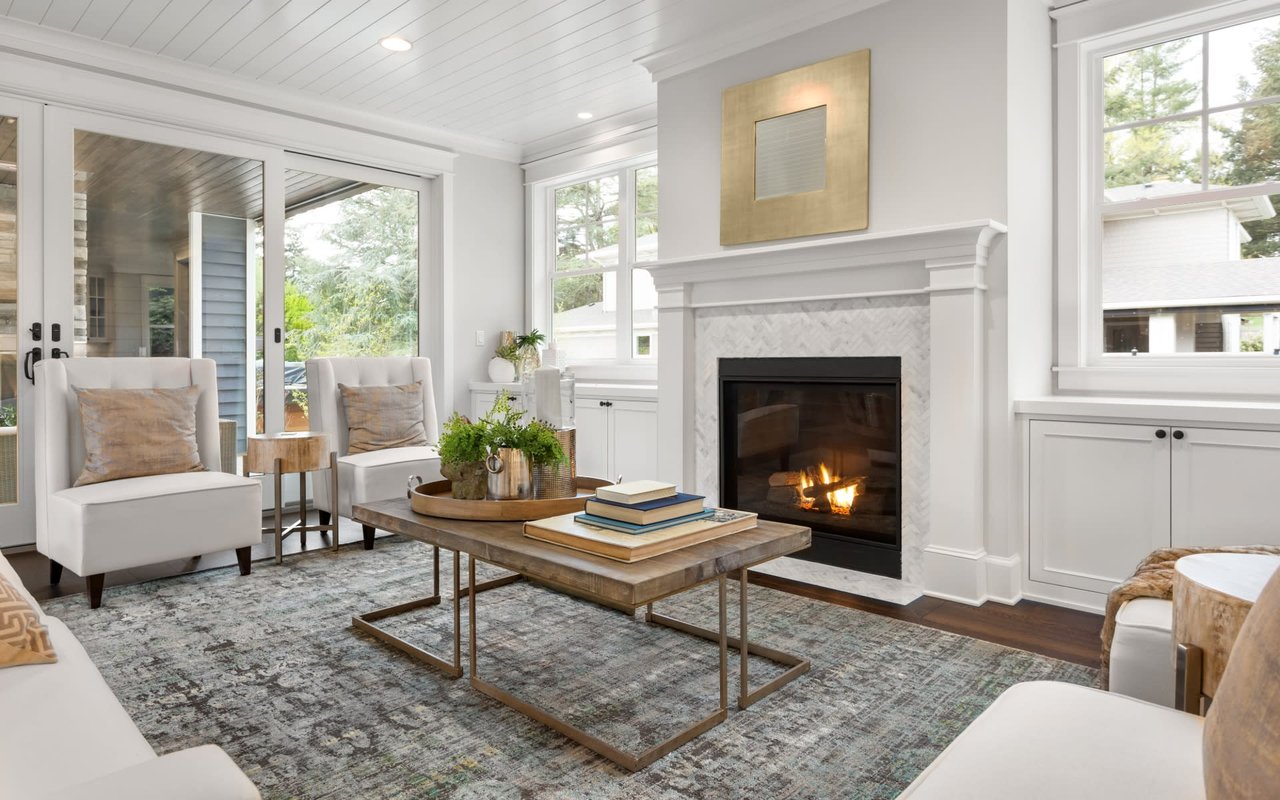
In a historic property, that does not mean overfilling rooms with decor. It usually means the opposite. You want furnishings that define the living room, primary bedroom, and dining room clearly while still allowing original millwork, ceiling height, window placement, and room proportions to stay visible.
Keep the look current but quiet
Historic homes can feel current without looking trendy. A restrained staging plan often works best, with edited furniture, layered lighting, and pieces that complement rather than overshadow the architecture.
This approach aligns well with what many buyers are hoping to find in Pass Christian. They want character, but they also want to imagine a comfortable, livable home that supports modern routines.
Photograph the whole setting
With a historic home, photography should tell a broader story than just interiors. Realtor.com’s real estate photography guide recommends using a shot list, a tripod, accurate perspective, and the best natural light, while prioritizing exterior images like the front of the home, front patio, backyard, and deck.
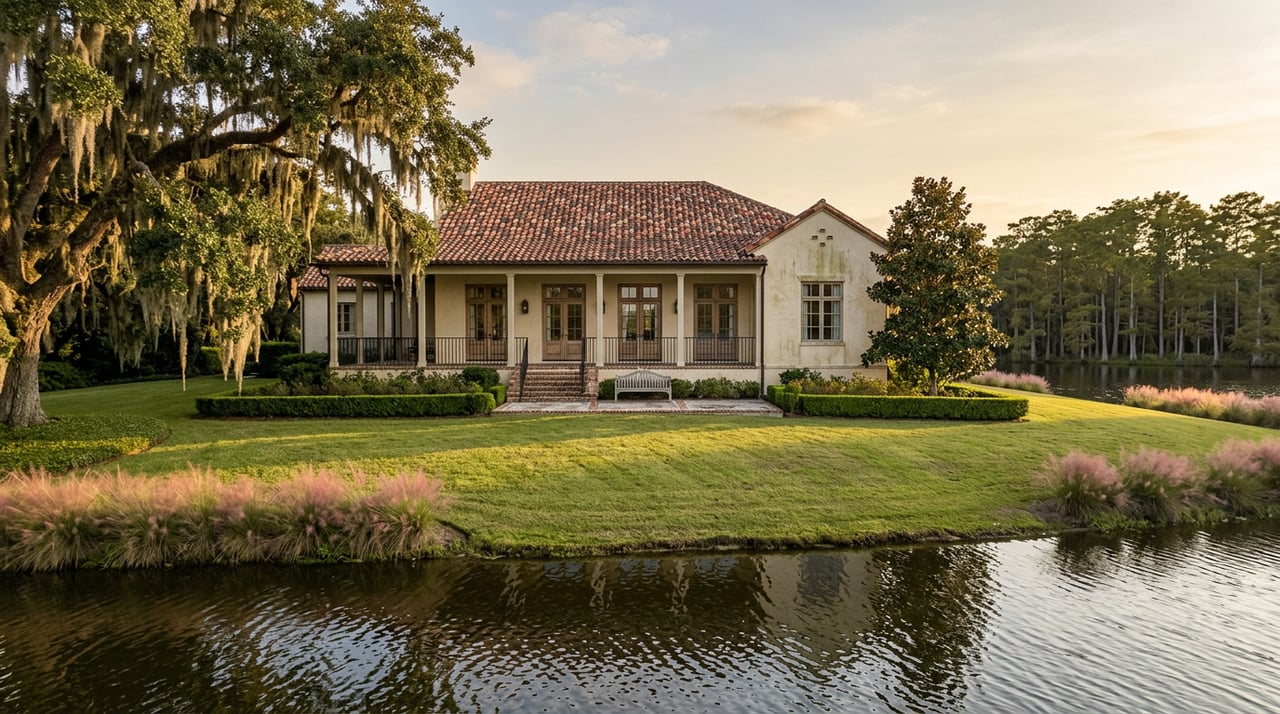
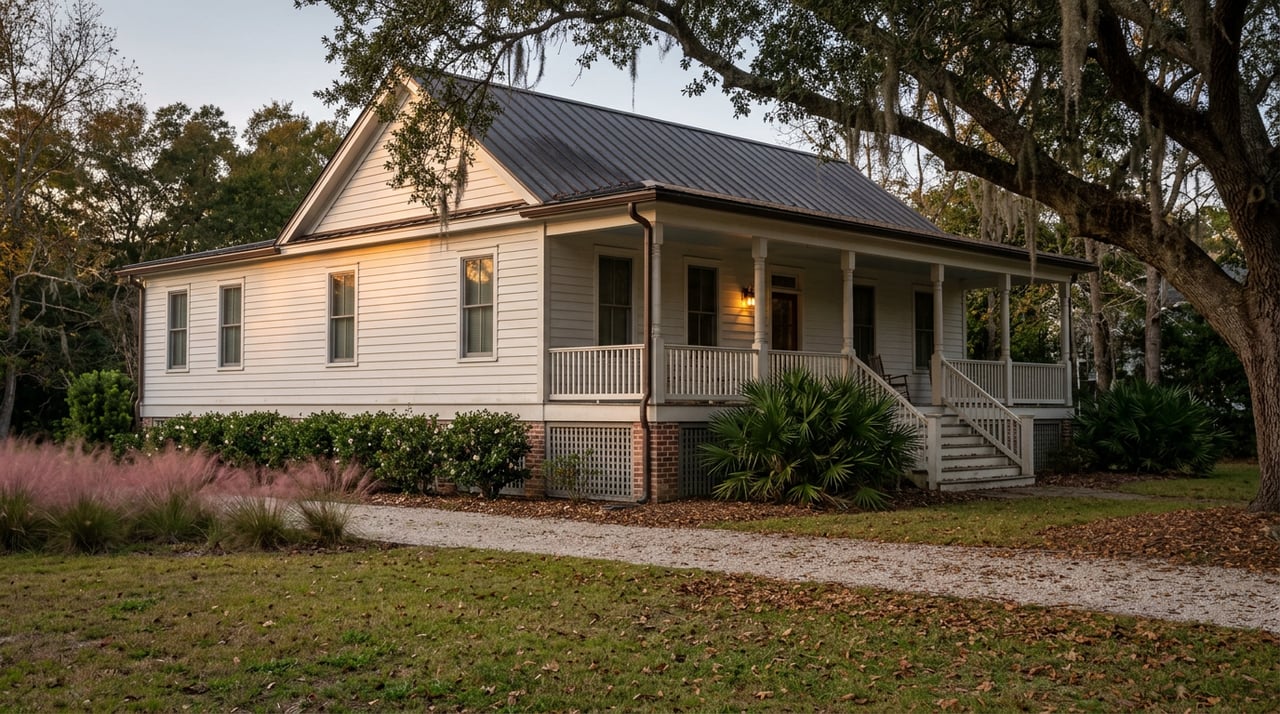
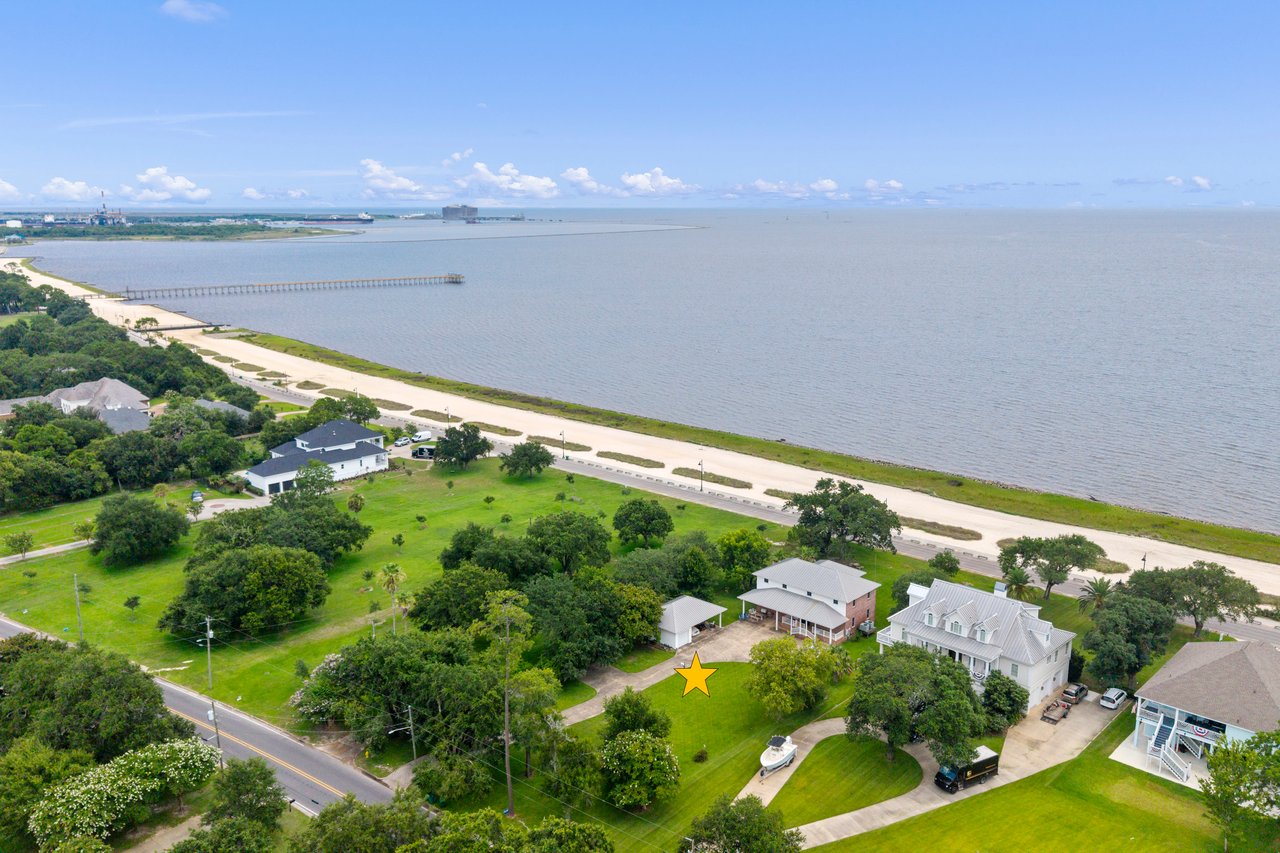
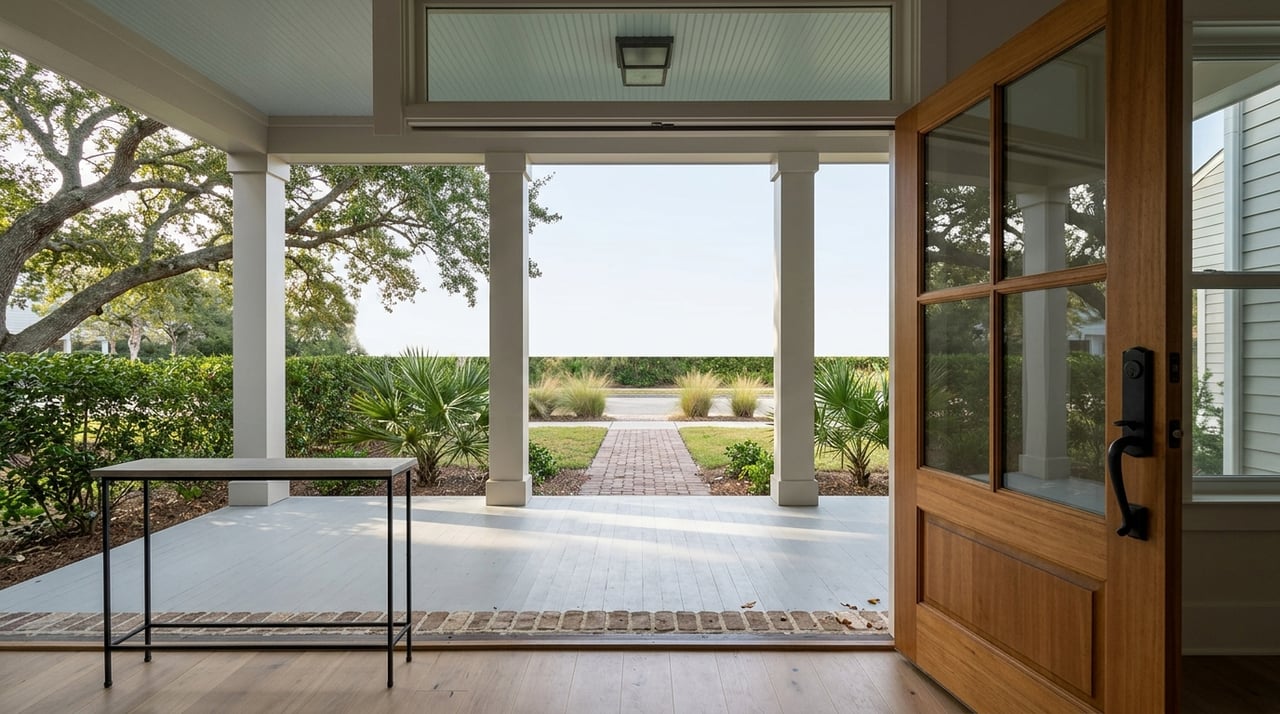
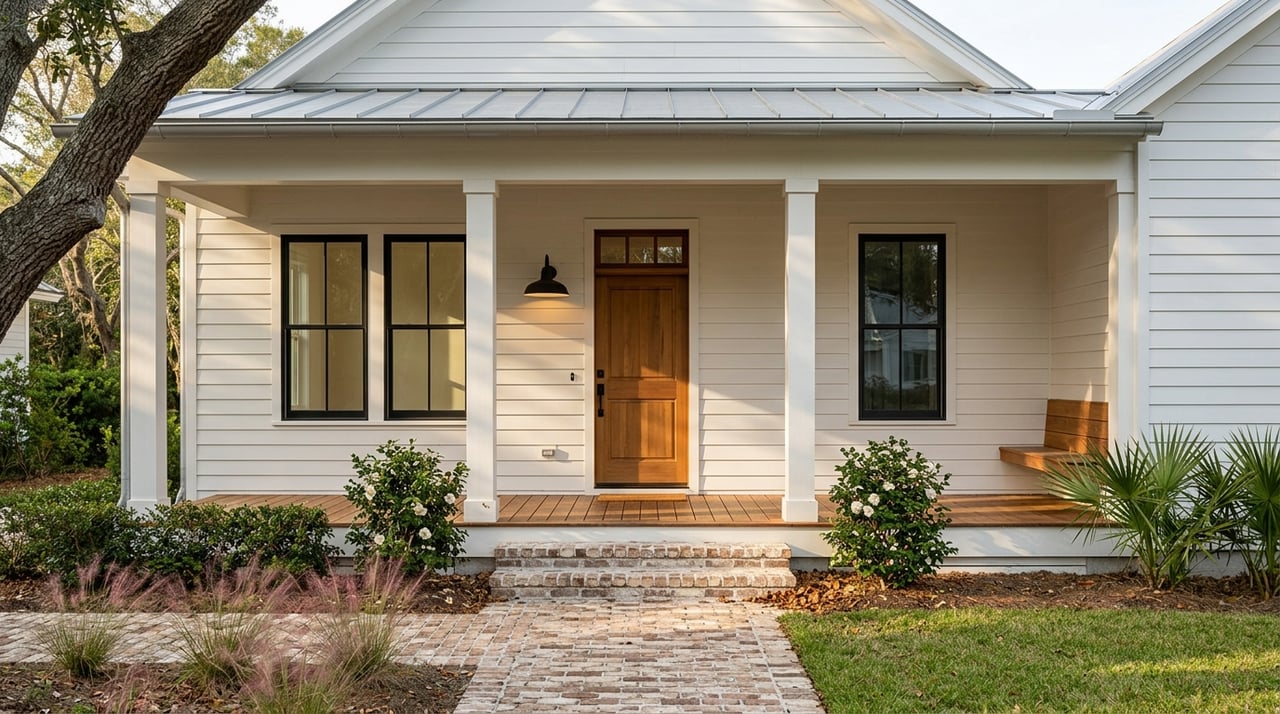
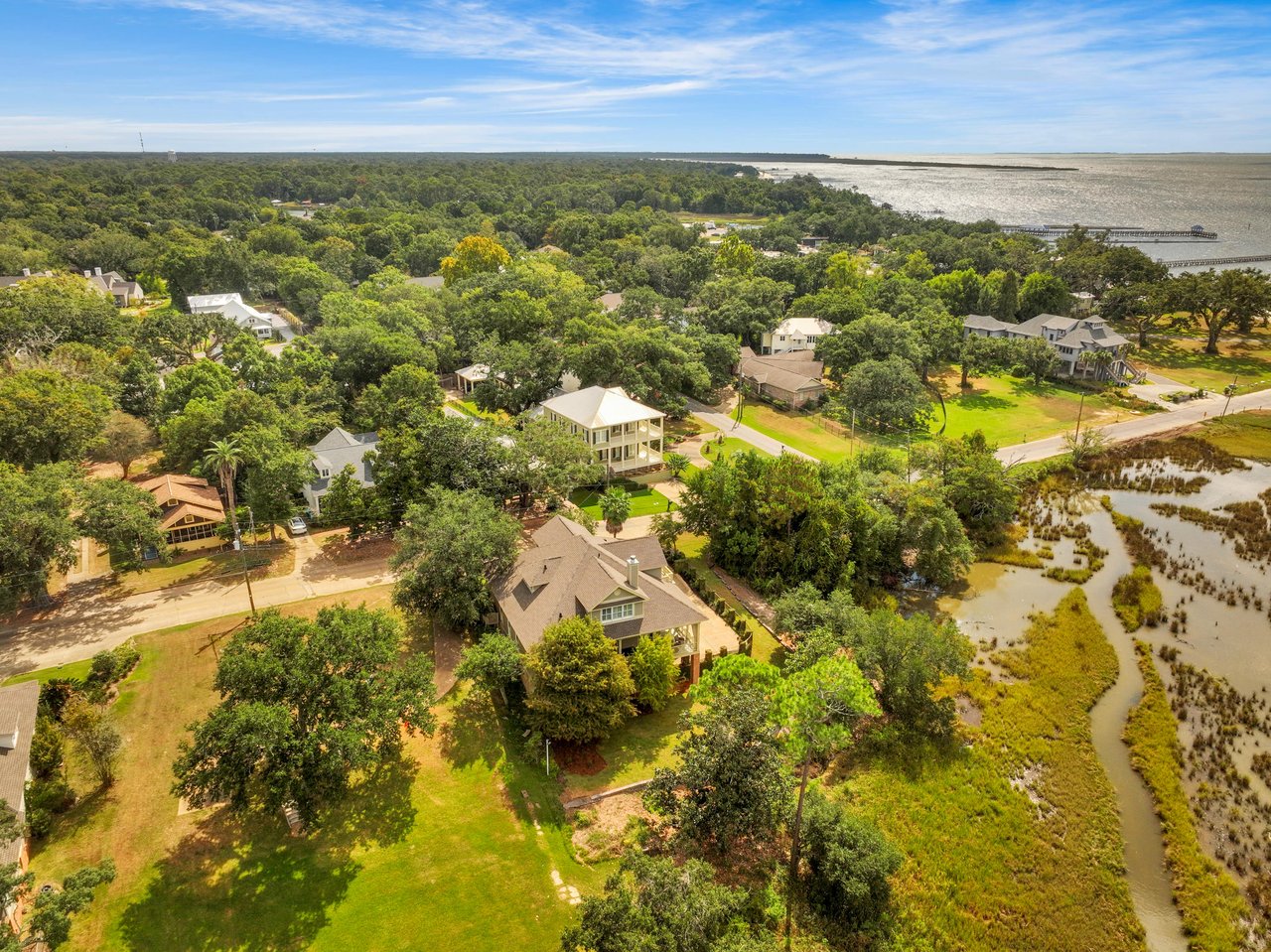
That advice is especially relevant in Pass Christian. In areas where the historic streetscape matters, buyers should be able to see the home as a complete setting, not just a remodeled kitchen or updated bath. Exterior composition, lot presence, porches, oak canopy, and architectural symmetry can all help frame value.
Build a strong seller file
Historic homes often raise more buyer questions, which makes documentation especially valuable. A home seller checklist from Realtor.com’s seller resource recommends gathering records such as title and ownership documents, surveys, mortgage information, tax records, appraisals, insurance records, inspection reports, receipts for remodeling, maintenance records, and manuals or warranties for major systems.
That file can help your home feel more legible to a buyer. It also shows a level of care that supports trust during due diligence.
Add historic records if available
If you have old photographs, architectural notes, prior restoration records, or documentation explaining significant features, include them when appropriate. The National Park Service’s documentation standards emphasize the value of accurate photographs, histories, drawings, and records that explain what is significant about a historic property.
You do not need a museum archive to be helpful. Even a modest, organized file can help buyers understand what has been preserved, what has been improved, and why the home stands out.
Consider a pre-listing inspection
Older homes can create uncertainty for buyers if issues surface late in the process. The National Association of Realtors reports that some agents recommend pre-listing inspections to identify concerns such as plumbing problems, a failing roof, or an outdated electrical panel before the property goes on the market.
For a historic Pass Christian property, that can be a smart move. It gives you time to decide what to repair, what to disclose clearly, and how to price and position the home with fewer surprises.
Be ready with flood information
On the Mississippi Gulf Coast, flood-related clarity is part of good listing preparation. Pass Christian’s floodplain information page directs owners to FEMA resources, and FEMA says the Flood Map Service Center is the official public source for flood hazard information.
If possible, have your flood-zone results ready before listing. If you have an elevation certificate or FEMA map-change paperwork, include that as well. Buyers should also understand that FEMA notes flood insurance is separate from a standard homeowners insurance policy, so clear documentation can help them evaluate ownership costs more confidently.
Focus on positioning, not just improvements
The strongest marketing approach for a historic Pass Christian home is usually not to sell it as simply updated. It is to present it as a well-positioned historic property that offers architectural character, thoughtful stewardship, and a clearer path for modern ownership.
That requires more than repairs. It takes careful preparation, strong visuals, organized documentation, and a listing strategy that understands how historic setting, coastal realities, and buyer expectations all intersect.
When your home is prepared this way, buyers can see both the romance and the logic. And that combination is often what moves a distinctive property from admired to sold.
If you are thinking about selling a historic home on the Coast, Rain Residential brings a strategy-first approach shaped by presentation, positioning, and the full ownership story. Talk With an Advisor to plan your next move with clarity.
FAQs
What should you update before selling a historic home in Pass Christian?
- Focus on light, appropriate improvements such as repairing visible wear, addressing maintenance issues, and updating systems thoughtfully without removing historic character.
Do exterior changes in Pass Christian’s historic district need approval?
- Yes. Exterior changes, demolition, relocation, signs, and new construction in the district must go through Historic Preservation Commission review and require a Certificate of Appropriateness.
Should you replace original windows in a historic Pass Christian home?
- Usually, original wood windows are worth repairing if they are still serviceable. If replacement is necessary, visible windows should match the historic units in material and detail.
Why is staging important for a historic home sale in Pass Christian?
- Staging helps buyers picture themselves in the home while showing how historic rooms function today, especially when original proportions and craftsmanship remain visible.
What documents help when listing a historic home in Pass Christian?
- Useful documents include title records, surveys, tax and insurance records, inspection reports, repair receipts, maintenance history, appliance manuals, and any historic photos or restoration records you have available.
What flood information should sellers provide for a Pass Christian home?
- Sellers should be ready with flood-zone information and, if available, an elevation certificate or FEMA map-change paperwork so buyers can better understand flood risk and insurance considerations.