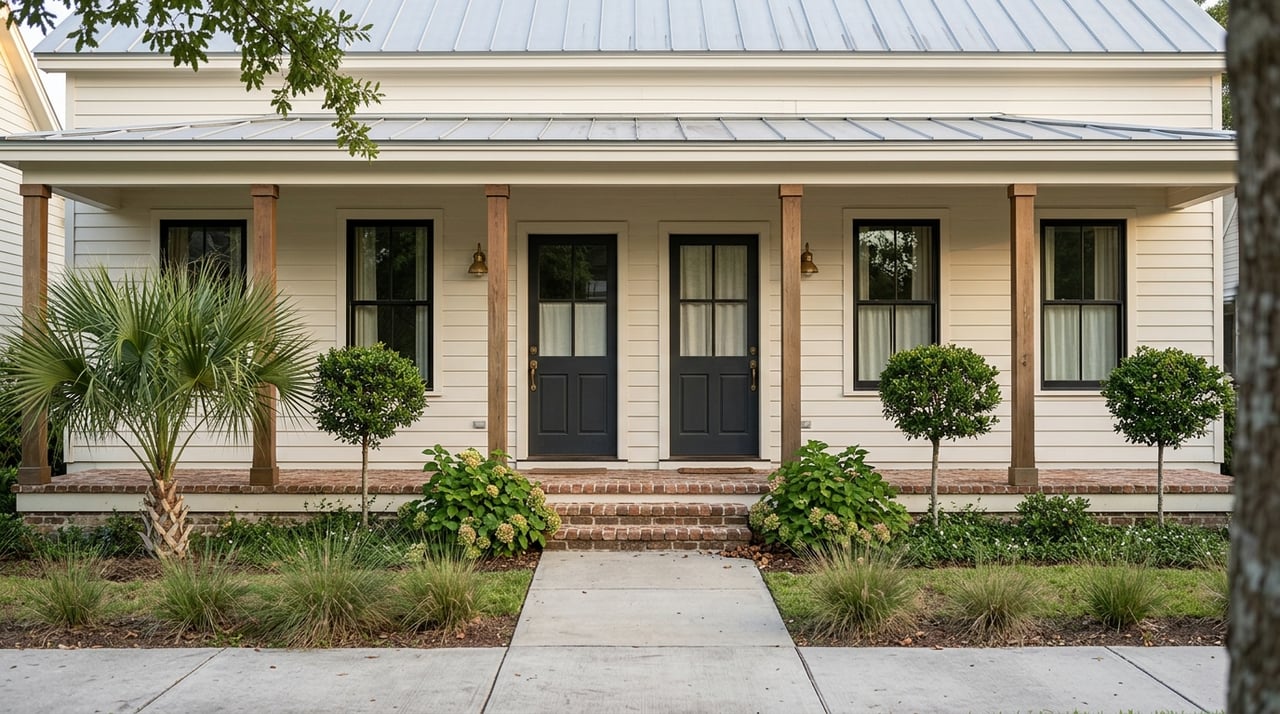
If you know you want to live on the Mississippi Coast, the harder question is often not whether to be near the water. It is which town actually fits your day-to-day life. You may be comparing home prices, commute times, neighborhood feel, and how much activity you want around you once the moving boxes are gone. This guide breaks down how Long Beach compares with Gulfport and Pass Christian so you can choose with more clarity and confidence. Let’s dive in.
Long Beach in Context
Long Beach sits in a useful middle position on the Mississippi Coast. Based on the latest Census QuickFacts data, the city had an estimated 17,217 residents in 2024, a 65.7% owner-occupied housing rate, a median owner value of $215,200, median household income of $70,332, and a 23.5-minute mean commute. Those numbers help explain why many buyers see Long Beach as a steady residential market rather than a major commercial center.
That middle-ground feel becomes clearer when you compare it with nearby options. Gulfport is much larger, with 74,621 residents and far more commercial activity, while Pass Christian is smaller at 6,429 residents and trends more residential and higher priced. In practical terms, Long Beach often appeals to buyers who want a coastal location without choosing either the busiest or the quietest end of the spectrum.
How Long Beach Compares on Price
For many buyers, price is the first filter. Long Beach’s median owner value is $215,200, which places it above Gulfport at $174,600 and below Pass Christian at $270,900. That makes Long Beach a true middle option if you want coastal access with more moderate pricing than Pass Christian.
Of course, median values do not predict the price of every home. They do, however, provide a useful market snapshot when you are deciding where to focus your search. If your goal is to balance coastal living with budget discipline, Long Beach may give you more room to explore than Pass Christian while still offering a more residential profile than Gulfport.
Housing Types and Lot Patterns
Housing form matters just as much as price. Long Beach’s adopted ordinances include a Unified Land Use Ordinance and a later amendment adding a lot-size section, showing that lot-size rules are part of the city’s residential framework. The result is a market that appears to include both standard neighborhood patterns and some tighter in-town housing forms.
Gulfport offers the broadest spread of housing types and lot patterns of the three cities. Its public planning materials describe zoning that allows various densities on various lot sizes for single-family and multi-family housing throughout the city. For you as a buyer, that can mean more variety, from older in-town homes to denser infill and larger-lot suburban areas.
Pass Christian is the clearest example of a lot-oriented market. Its development code includes standards ranging from more urban subzones with smaller minimum lots to estate-style areas requiring much larger widths and square footage. That framework supports its reputation as the most lot-heavy and estate-leaning option of the three.
Daily Rhythm and Feel
One of the biggest differences between these towns is not visible on a listing sheet. It shows up in how each place feels on a normal Tuesday. Long Beach tends to read as a calmer residential middle ground with everyday services, rather than the Coast’s commercial hub or its most leisure-oriented beach town.
Mississippi Main Street describes Long Beach as maintaining small-town charm while still offering industrial, commercial, and retail activity. That balance is important if you want a place that feels lived-in and practical without the heavier pace of a larger city. It is a good fit for buyers who want neighborhood energy, not constant bustle.
Gulfport feels more urban by comparison. City materials describe it as a beachfront city on the Gulf of Mexico, and the scale of its economy supports that sense of daily activity. In 2022, Gulfport recorded $2.525 billion in retail sales, compared with Long Beach at $97.4 million.
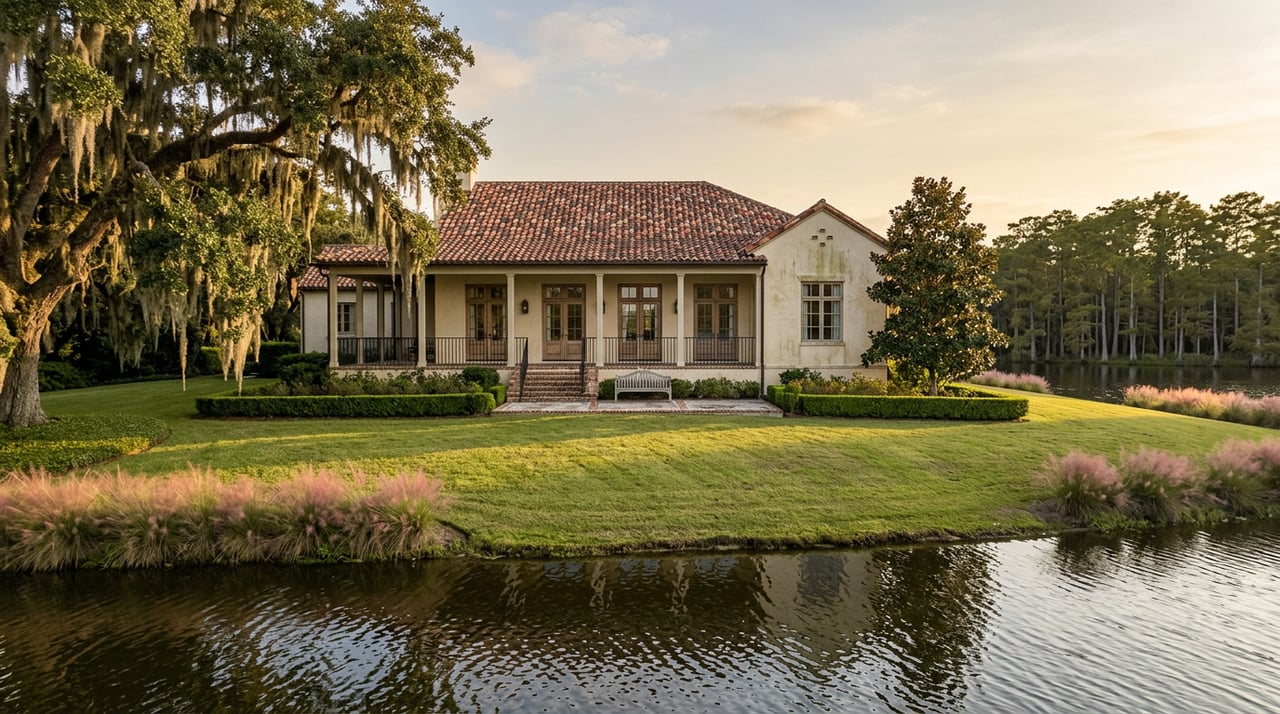
Pass Christian moves in the opposite direction. Its official materials emphasize beaches, harbors, parks, waterfront dining, historic homes, and a slower pace. If your ideal coastal setting is quieter and more leisure-oriented, Pass Christian likely feels the most intentionally beach-town of the three.
Commute and Everyday Convenience
Commute time is a simple metric, but it often reflects how easy daily life may feel. Long Beach posts a mean commute of 23.5 minutes, very close to Gulfport’s 21.9 minutes and notably shorter than Pass Christian’s 34.1 minutes. If you are trying to balance a residential setting with practical access to work or services, that difference matters.
Convenience is also shaped by the amount of commercial activity nearby. Gulfport’s much larger retail, accommodation, healthcare, and transportation receipts point to a broader day-to-day amenity base and stronger concentration of services and employment. Long Beach, by contrast, offers a more residential pace with less commercial intensity around home.
That does not make one better than another. It simply helps answer a key lifestyle question: do you want more activity built into your surroundings, or do you want a quieter backdrop for daily life?
A Quick Side-by-Side View
| City | 2024 Population | Median Owner Value | Owner-Occupied Rate | Mean Commute |
|---|---|---|---|---|
| Long Beach | 17,217 | $215,200 | 65.7% | 23.5 min |
| Gulfport | 74,621 | $174,600 | 55.1% | 21.9 min |
| Pass Christian | 6,429 | $270,900 | 70.7% | 34.1 min |
This comparison highlights the core pattern. Long Beach is the balanced middle, Gulfport is the largest and most commercially active, and Pass Christian is the smallest, highest priced, and most residential of the group.
Who Long Beach Fits Best
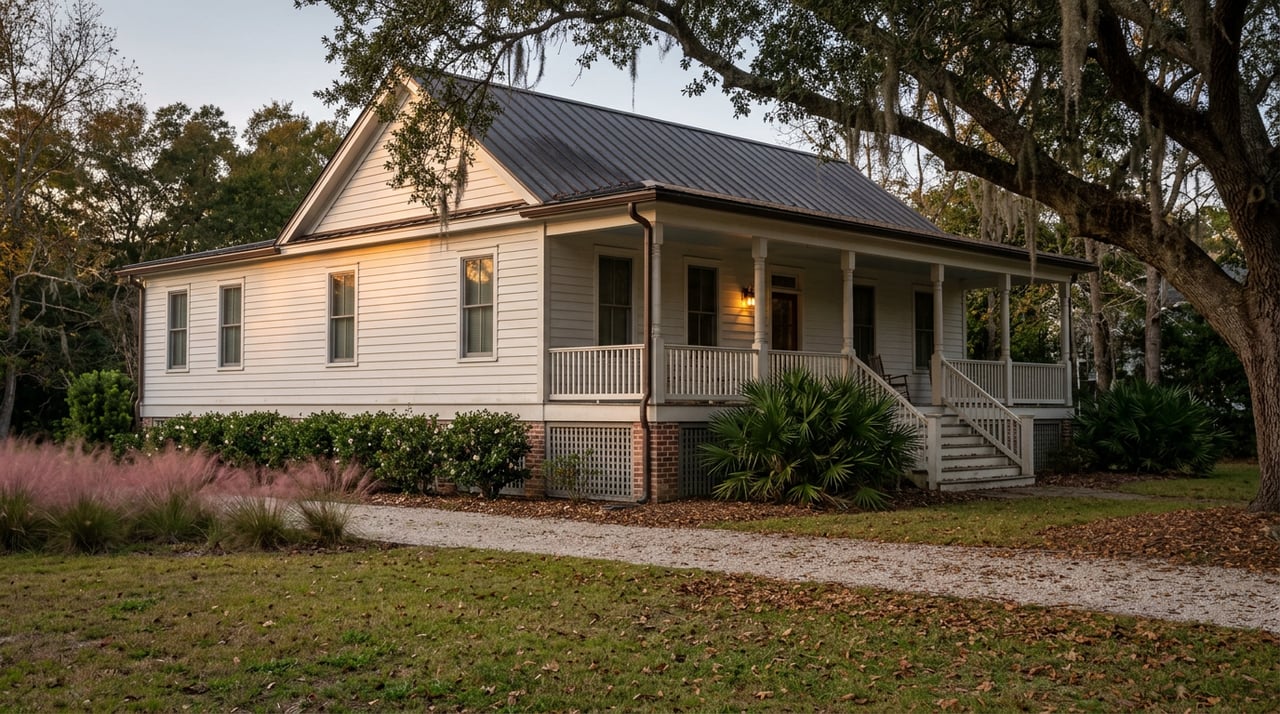
Long Beach makes sense if you want a conventional coastal neighborhood market with moderate pricing and a more residential feel. It can be especially appealing if you want to stay near larger Coast amenities without living in the middle of the busiest commercial environment. For many buyers, that combination feels practical, comfortable, and sustainable over time.
It may also be the right fit if you care about routine more than spectacle. Long Beach offers coastal identity and everyday livability in the same package. If you want your home search to land in the middle of the market instead of at either extreme, this is where the city stands out.
When Gulfport May Be Better
Gulfport may be the stronger choice if your top priority is convenience, housing variety, and access to a larger employment and service base. Its size and commercial activity create a different living experience, one with more options and more movement built into daily life. If you want the broadest spread of housing types within one city, Gulfport has the edge.
It can also be a smart option if your home search is still wide open. Because the city includes a broader range of lot sizes, densities, and neighborhood patterns, you may have more flexibility as you define what matters most. That is especially useful early in the search process.
When Pass Christian May Be Better
Pass Christian is often the better fit if you want a slower pace, a more distinct beach-town identity, and a market with higher typical home values. Its code structure, density, and housing profile all support a more estate-oriented residential setting. If you are drawn to larger-lot patterns and a quieter coastal atmosphere, it deserves a close look.
That said, the longer mean commute is worth weighing. A home can feel perfect on a weekend and less convenient during a workweek. The right choice depends on how you rank privacy, pace, and daily access.
The Best Question to Ask
Instead of asking which Mississippi Coast town is best, ask yourself how much daily activity you want around home. That is the clearest dividing line among these three markets. Long Beach is the balanced residential option, Gulfport is the most urban coastal option, and Pass Christian is the slowest and most lot-oriented option.
Once you frame the decision that way, the comparison gets easier. You are not just choosing a map point. You are choosing the setting that best supports your routine, budget, and long-term comfort on the Coast.
If you are weighing Long Beach against other Mississippi Coast towns, Rain Residential can help you compare the numbers, the housing patterns, and the lifestyle tradeoffs with a clear advisory approach.
FAQs
How does Long Beach compare with Gulfport on home values?
- Long Beach has a higher median owner value at $215,200 compared with Gulfport at $174,600, based on the latest Census QuickFacts data.
How does Long Beach compare with Pass Christian on price?
- Long Beach is more moderate on median owner value at $215,200, while Pass Christian is higher at $270,900.
Which Mississippi Coast town has the shortest commute among Long Beach, Gulfport, and Pass Christian?
- Gulfport has the shortest mean commute at 21.9 minutes, followed by Long Beach at 23.5 minutes and Pass Christian at 34.1 minutes.
What kind of housing market does Long Beach offer?
- Long Beach reads as a conventional neighborhood market with a mix of standard residential patterns and some tighter in-town forms under its land use framework.
Which Mississippi Coast town feels most urban for daily life?
- Gulfport is the most urban of the three, supported by its larger population, broader housing variety, and much higher commercial activity.
Which Mississippi Coast town has the strongest beach-town identity?
- Pass Christian is the most explicitly beach-town and leisure-oriented of the three based on its official emphasis on beaches, harbors, parks, and a slower pace.