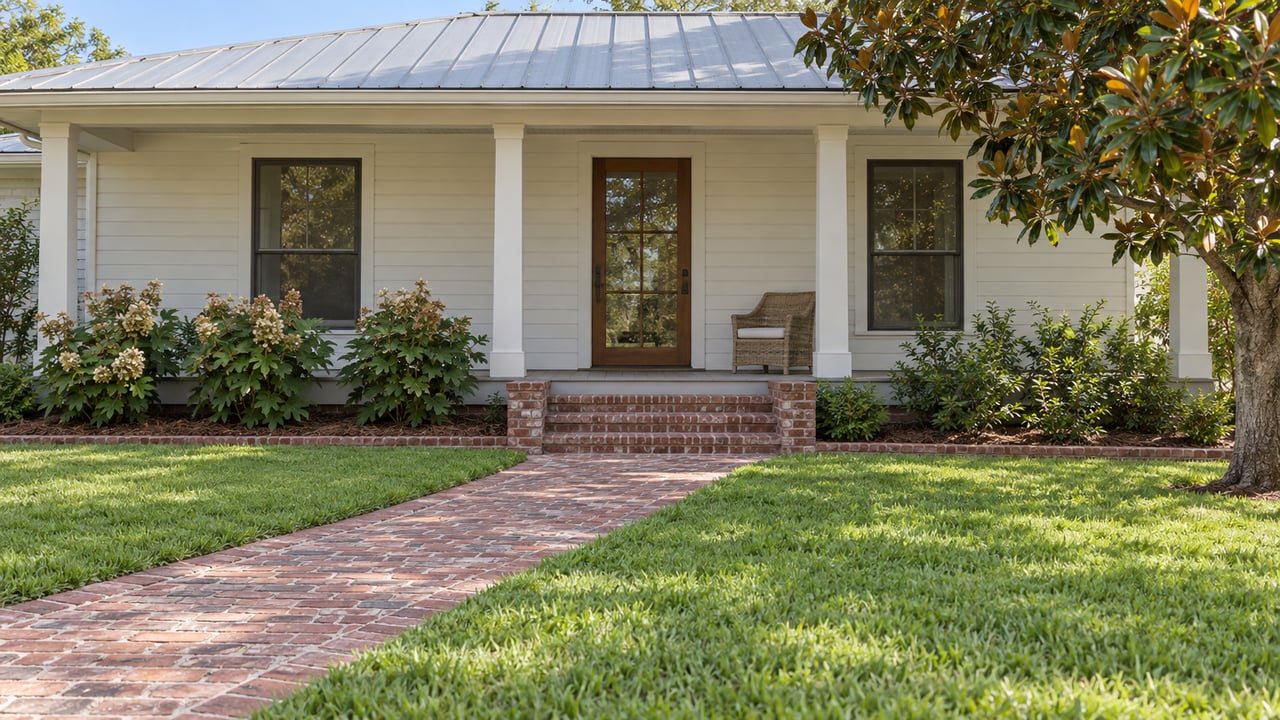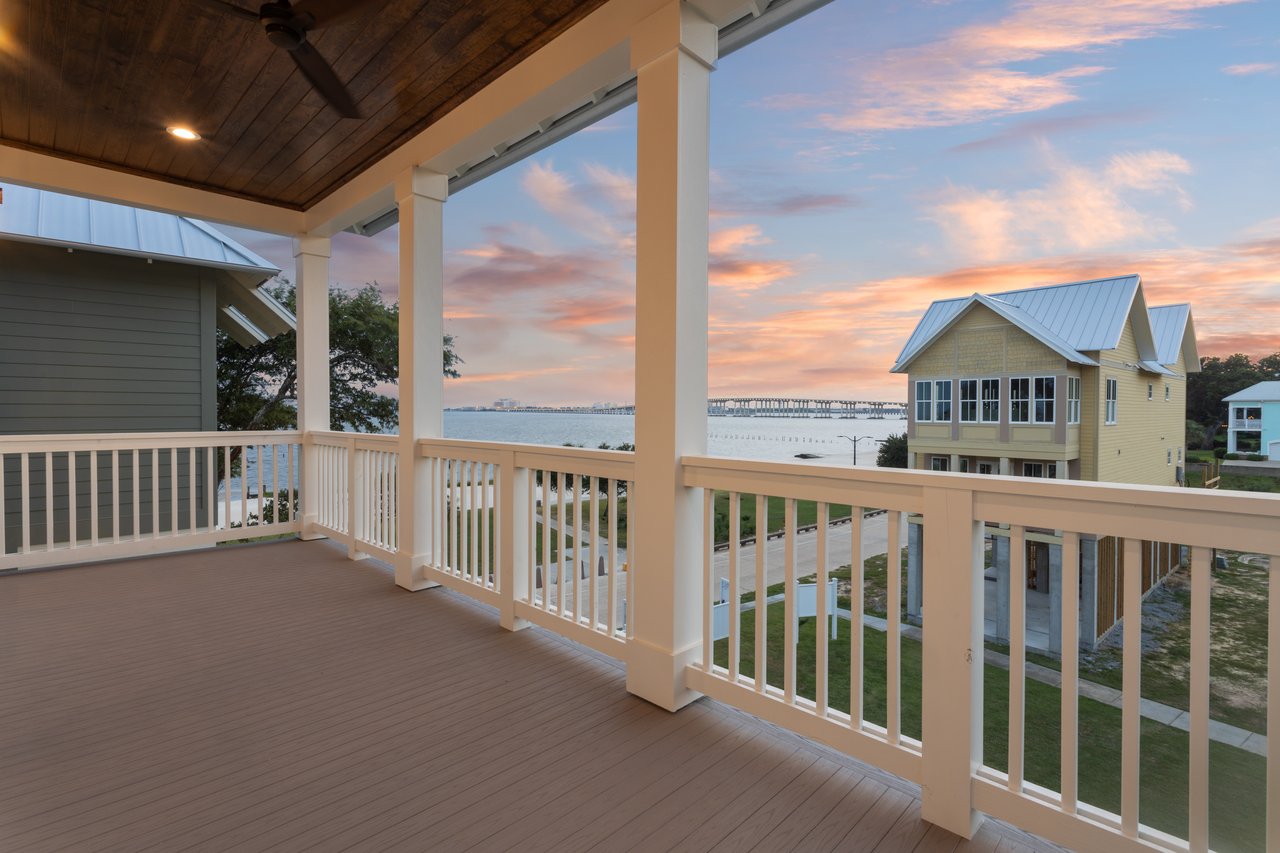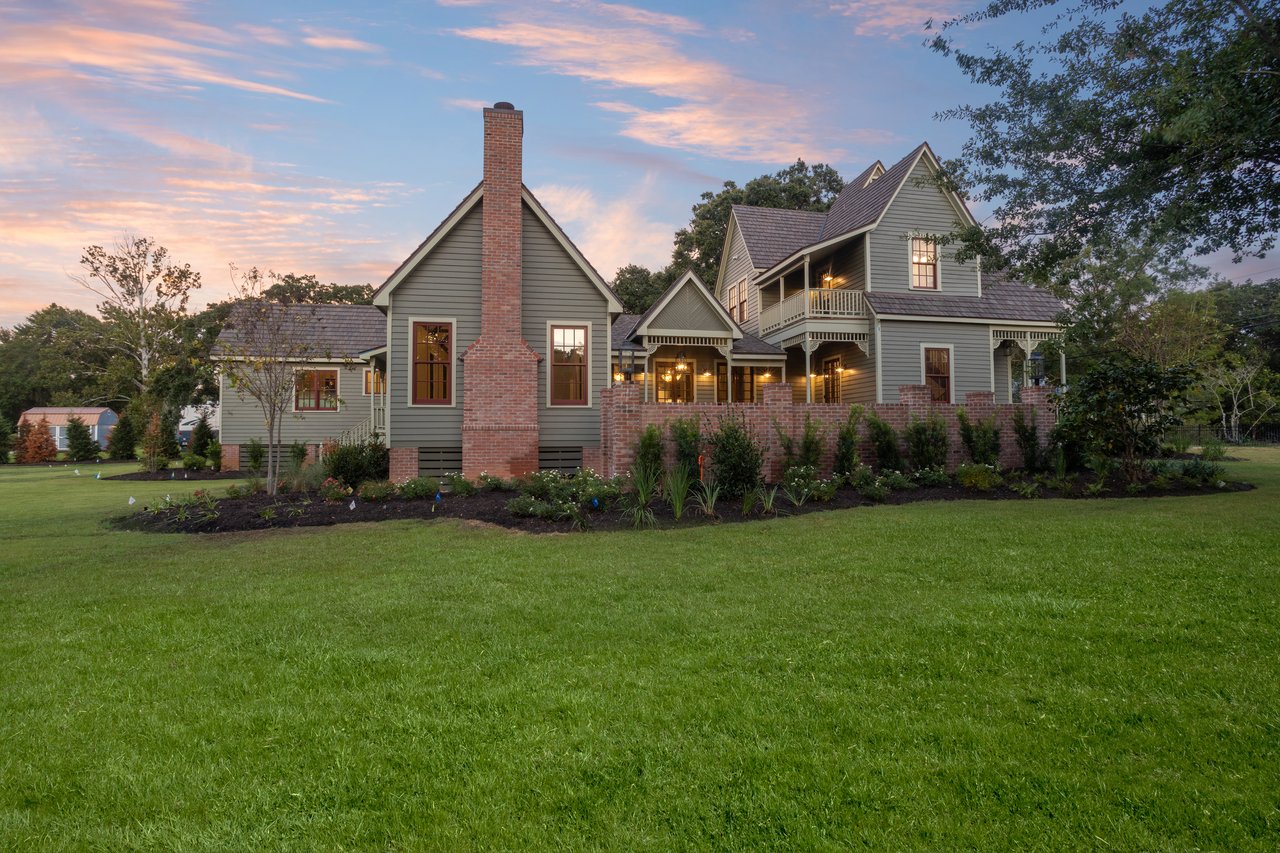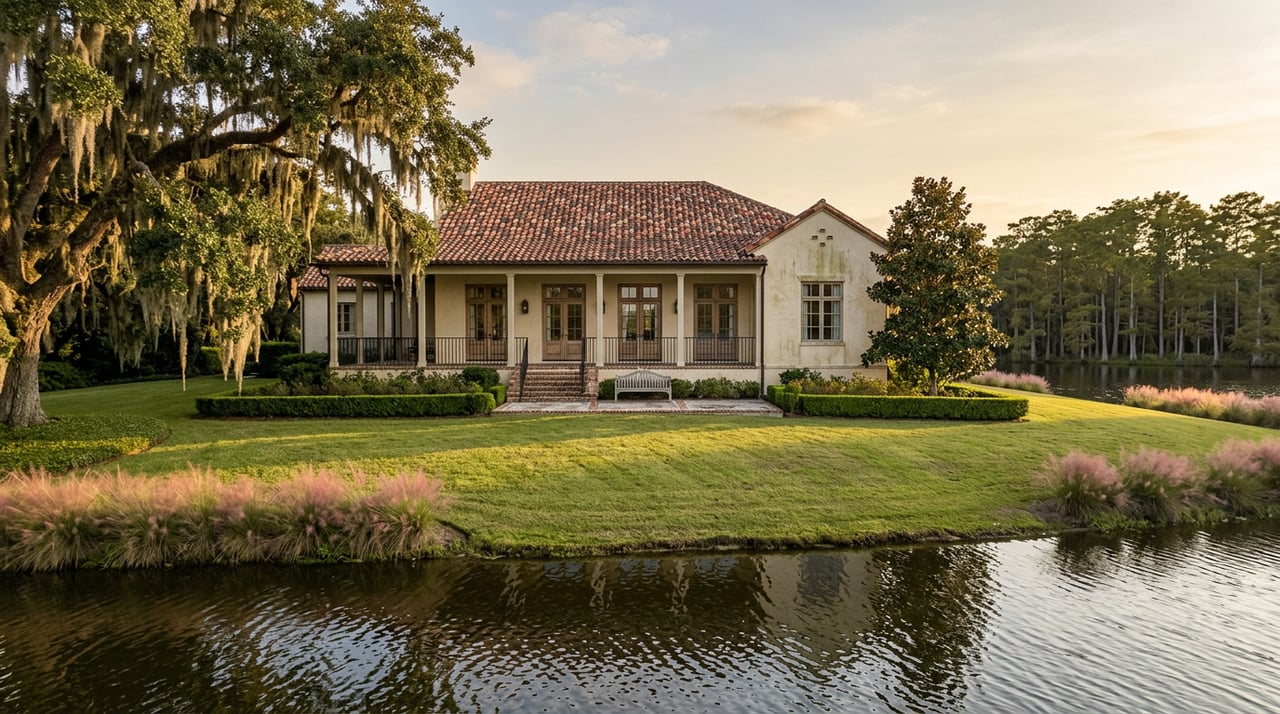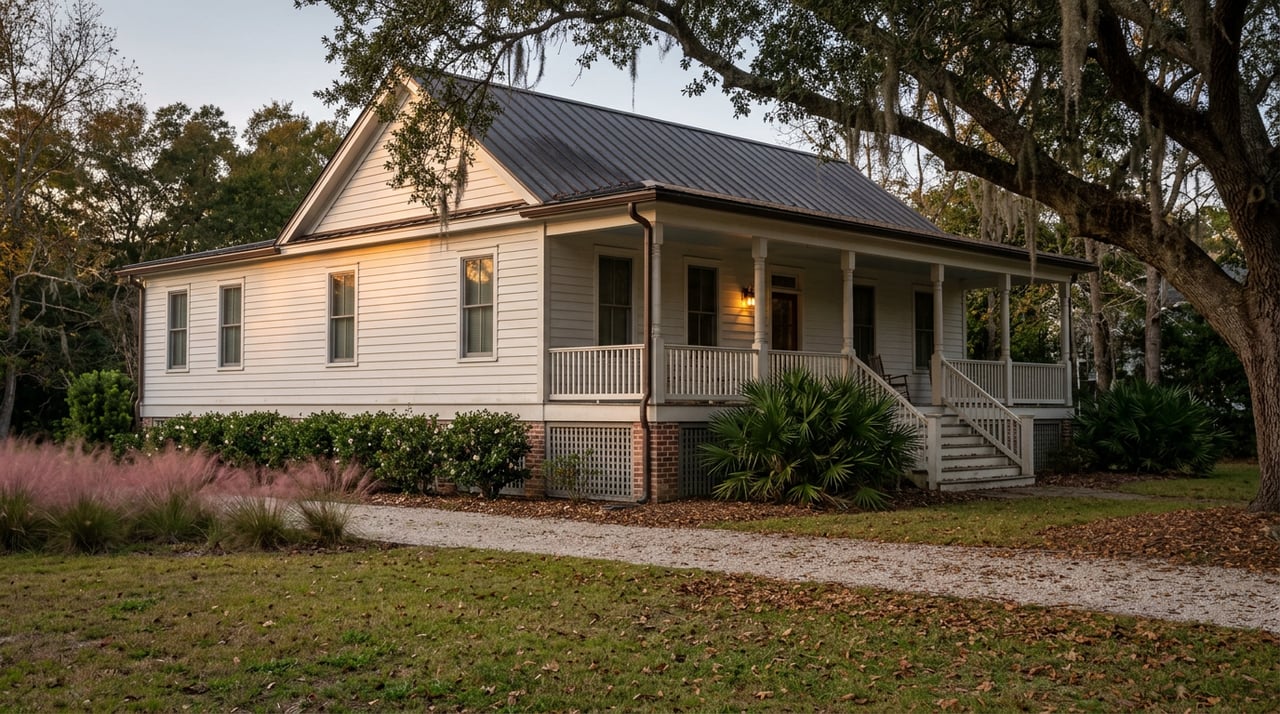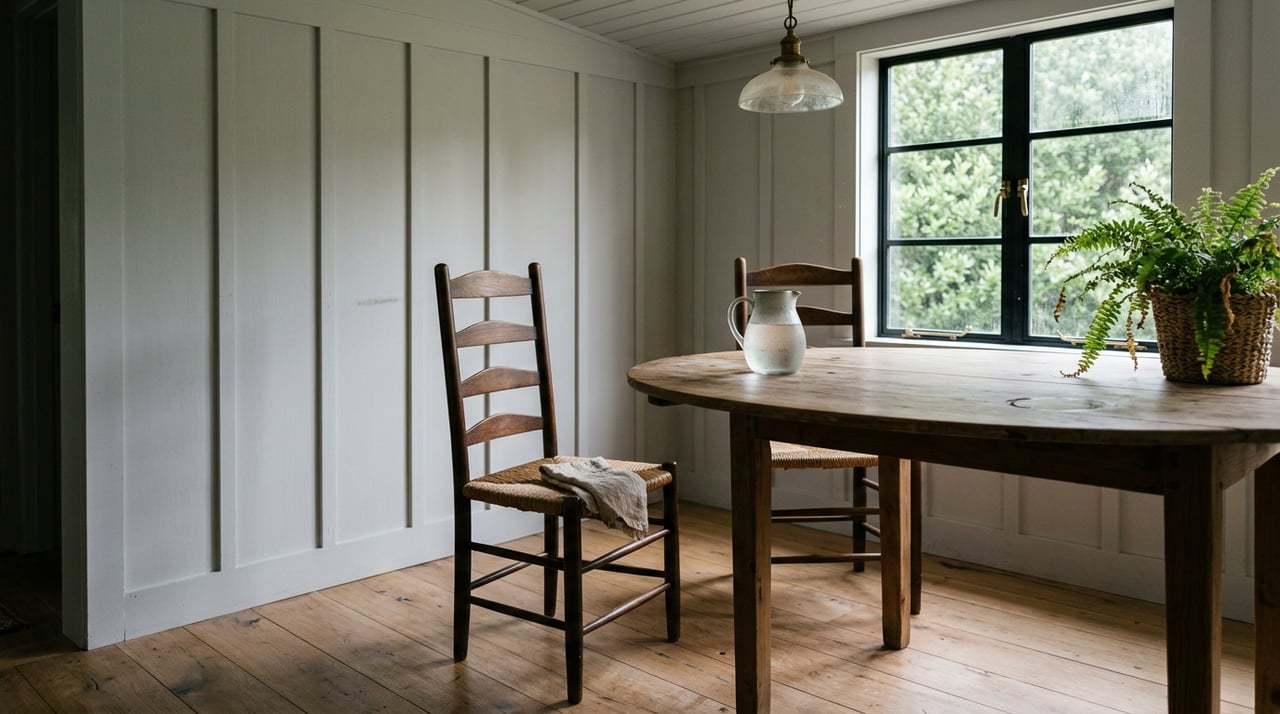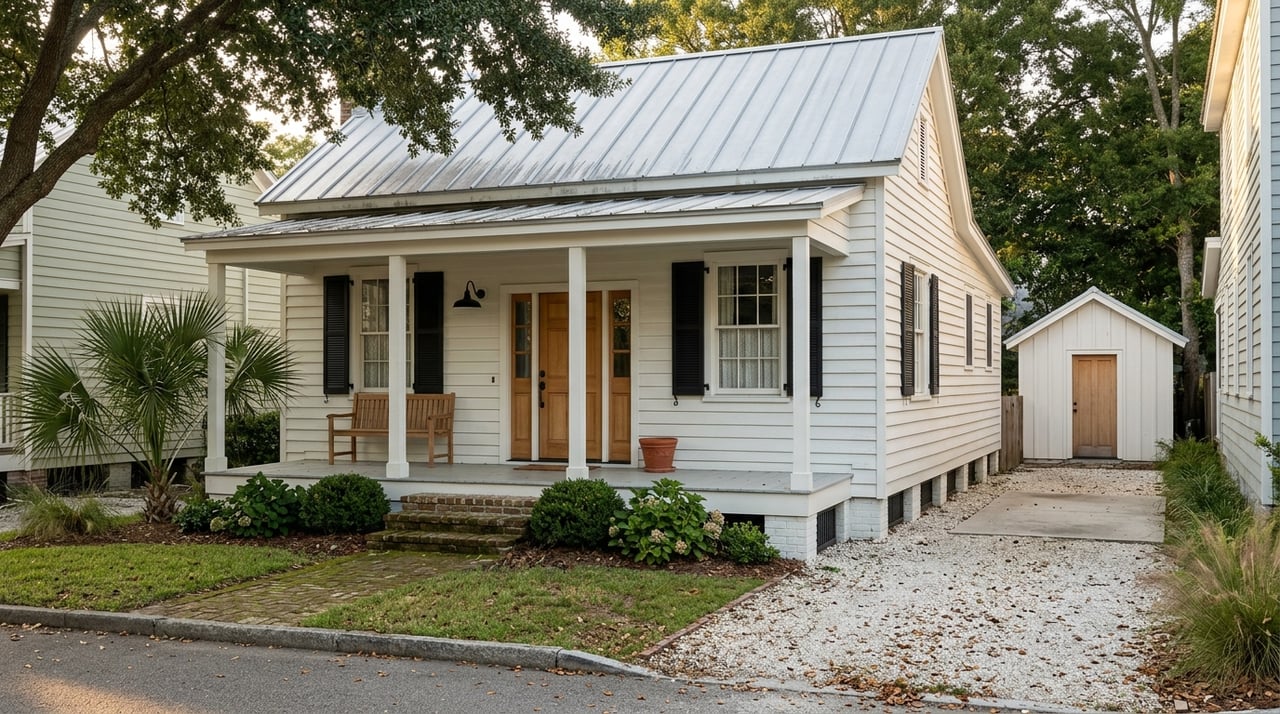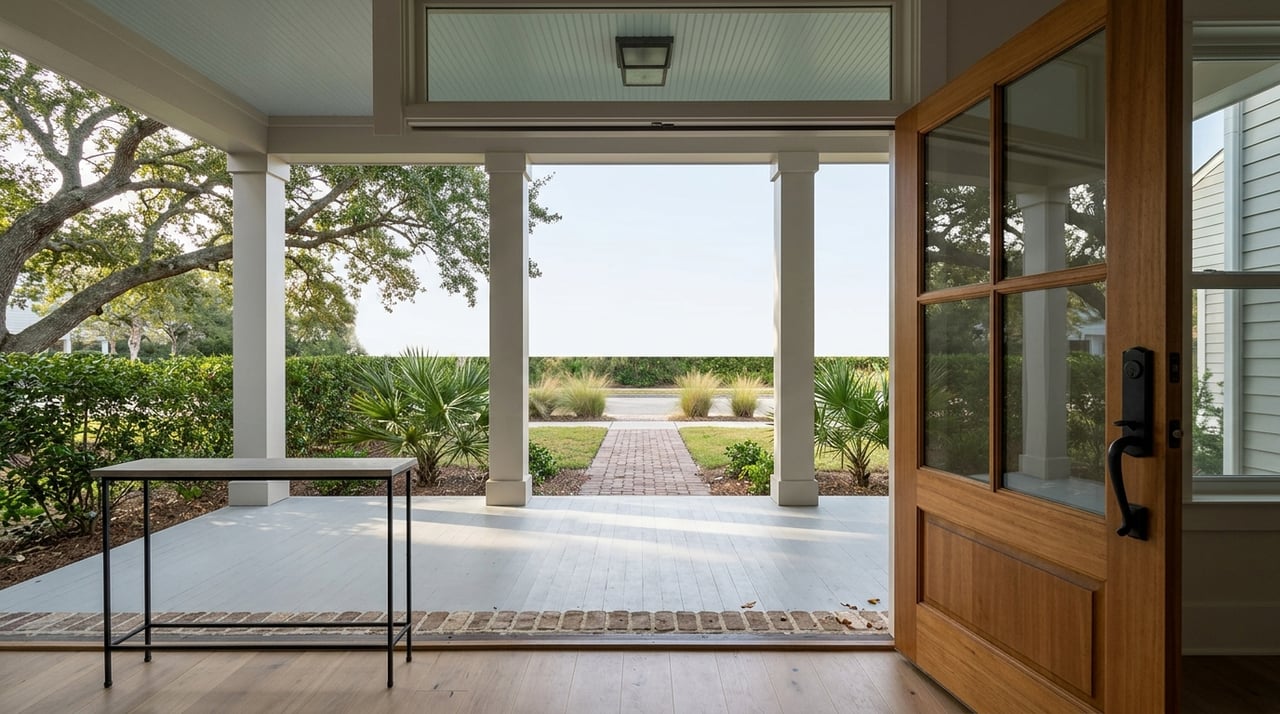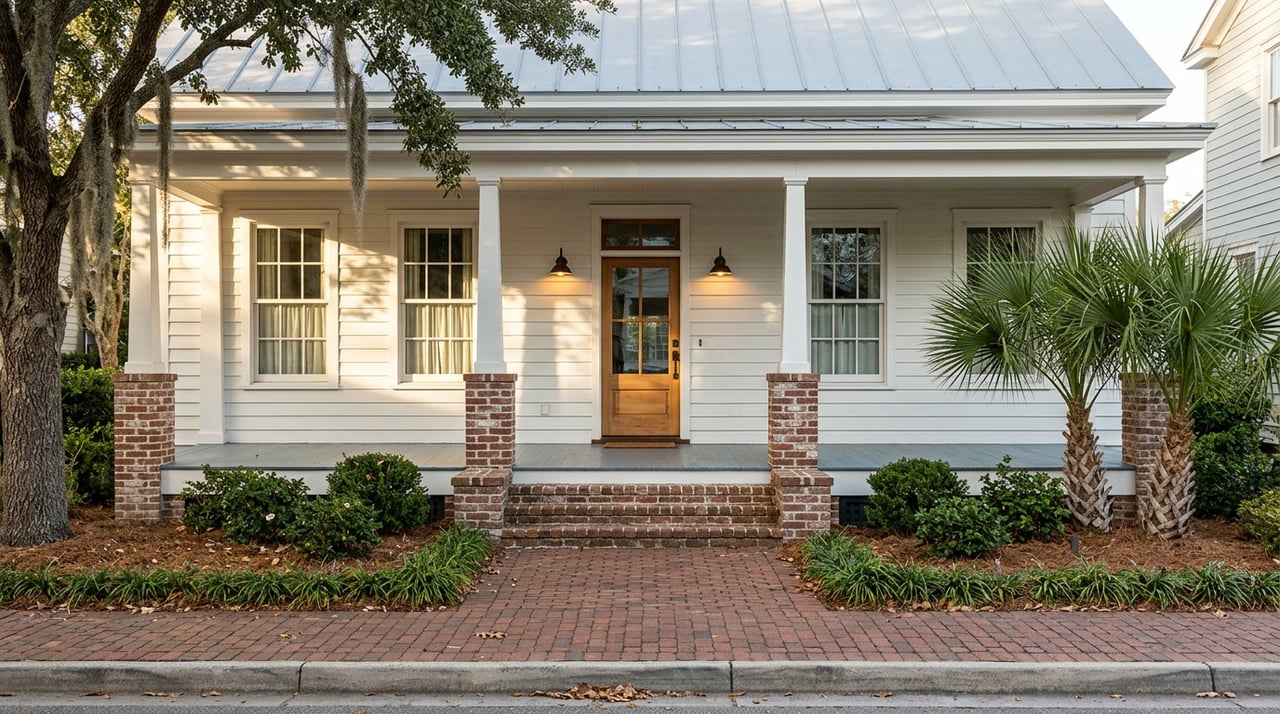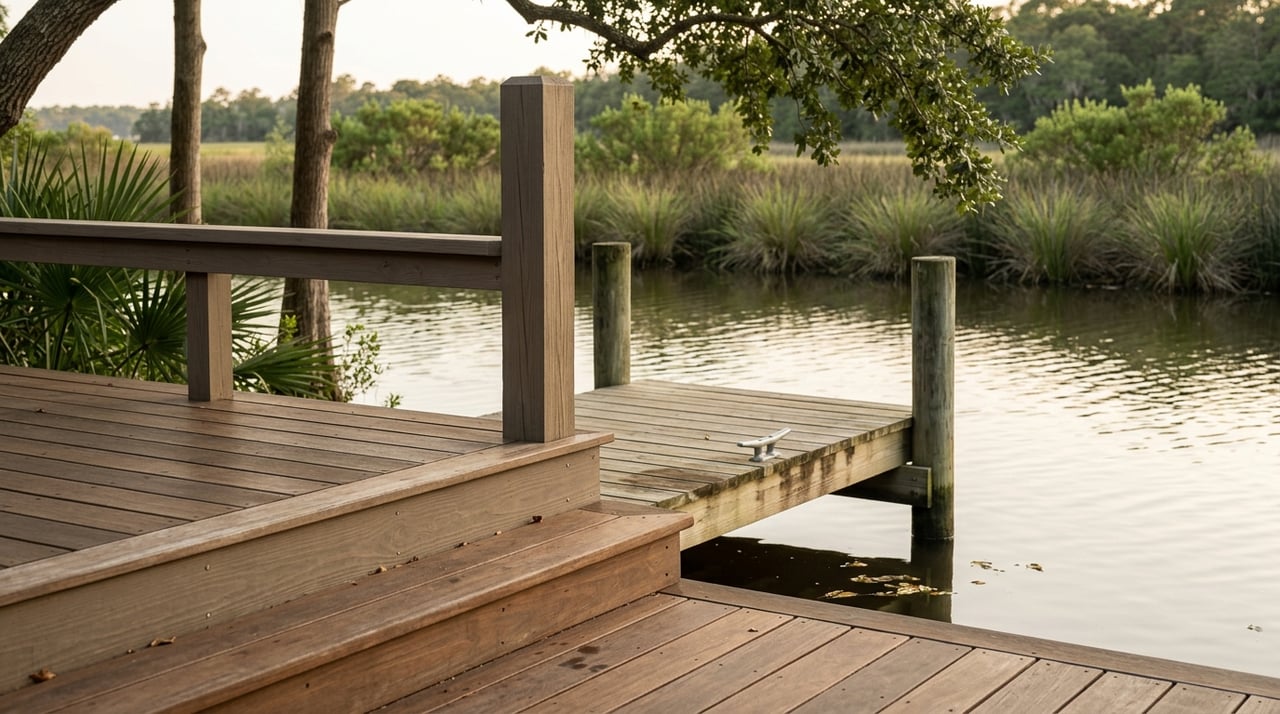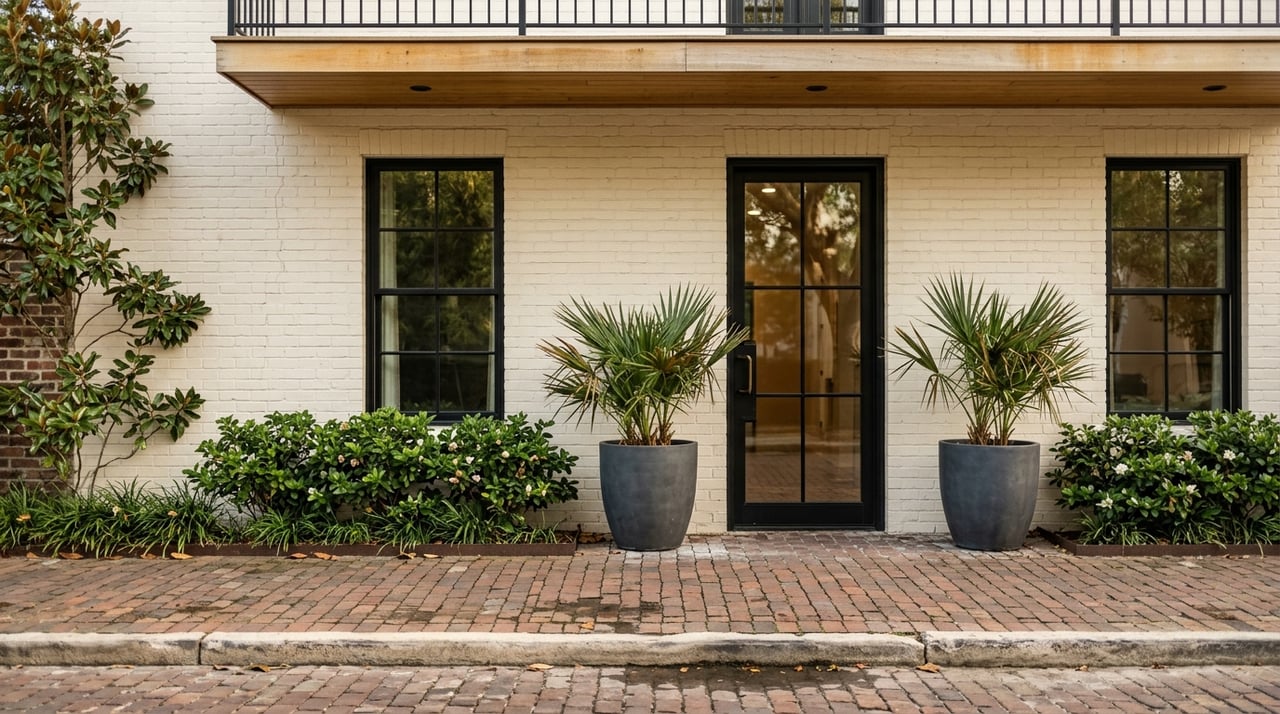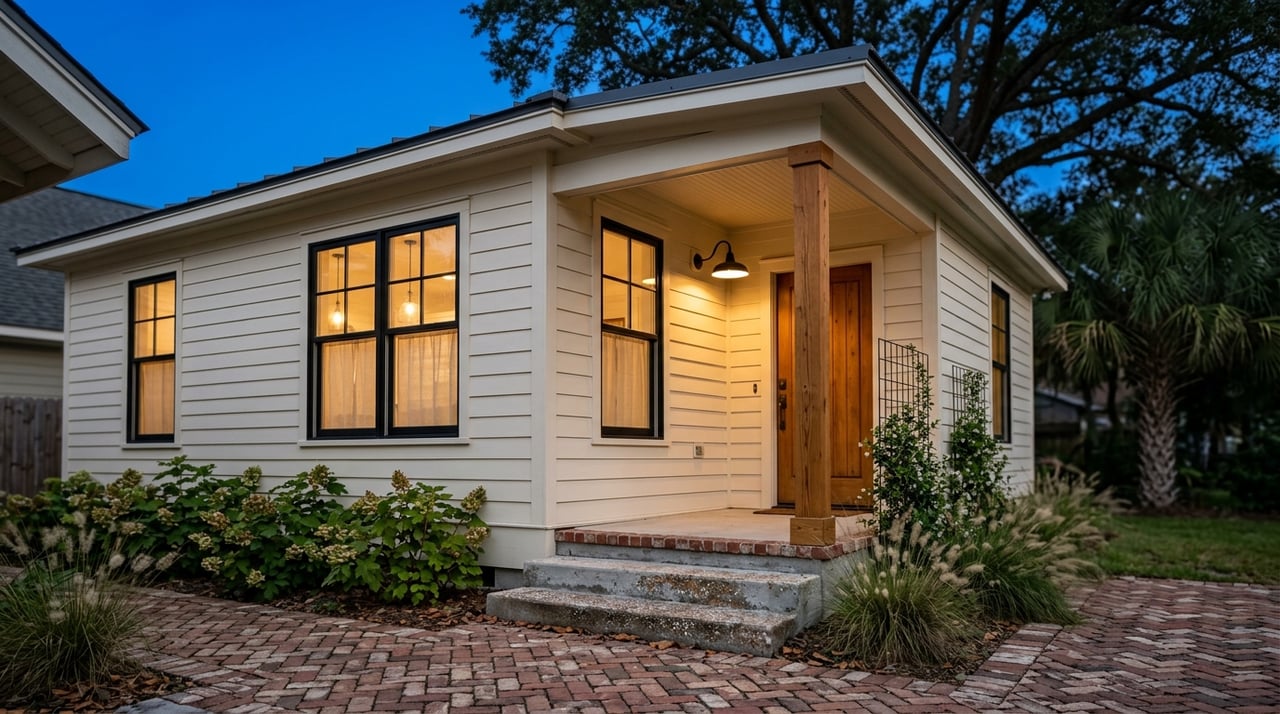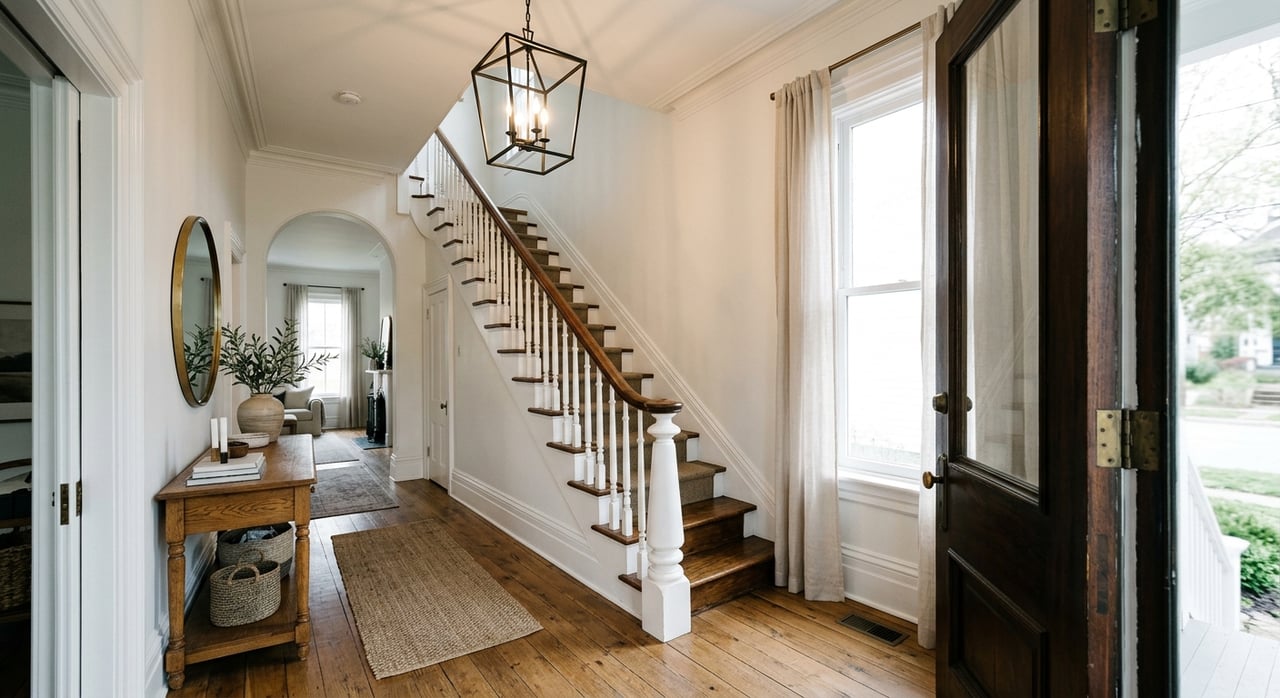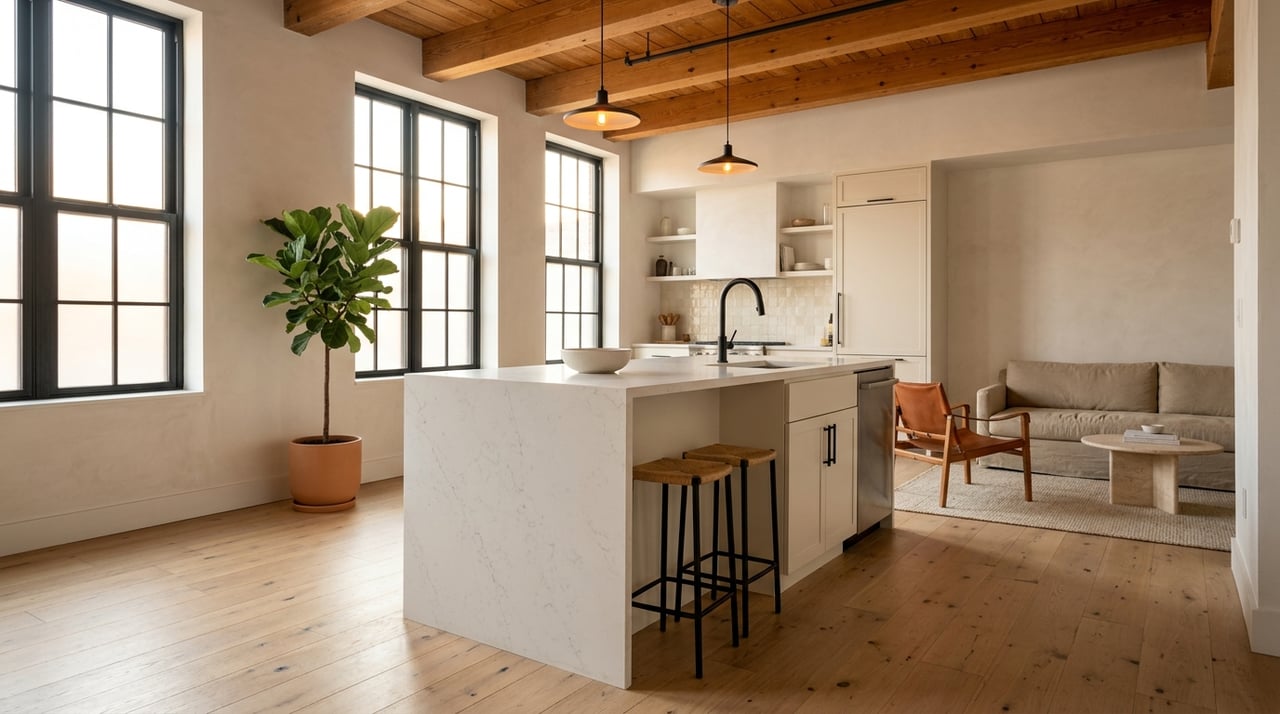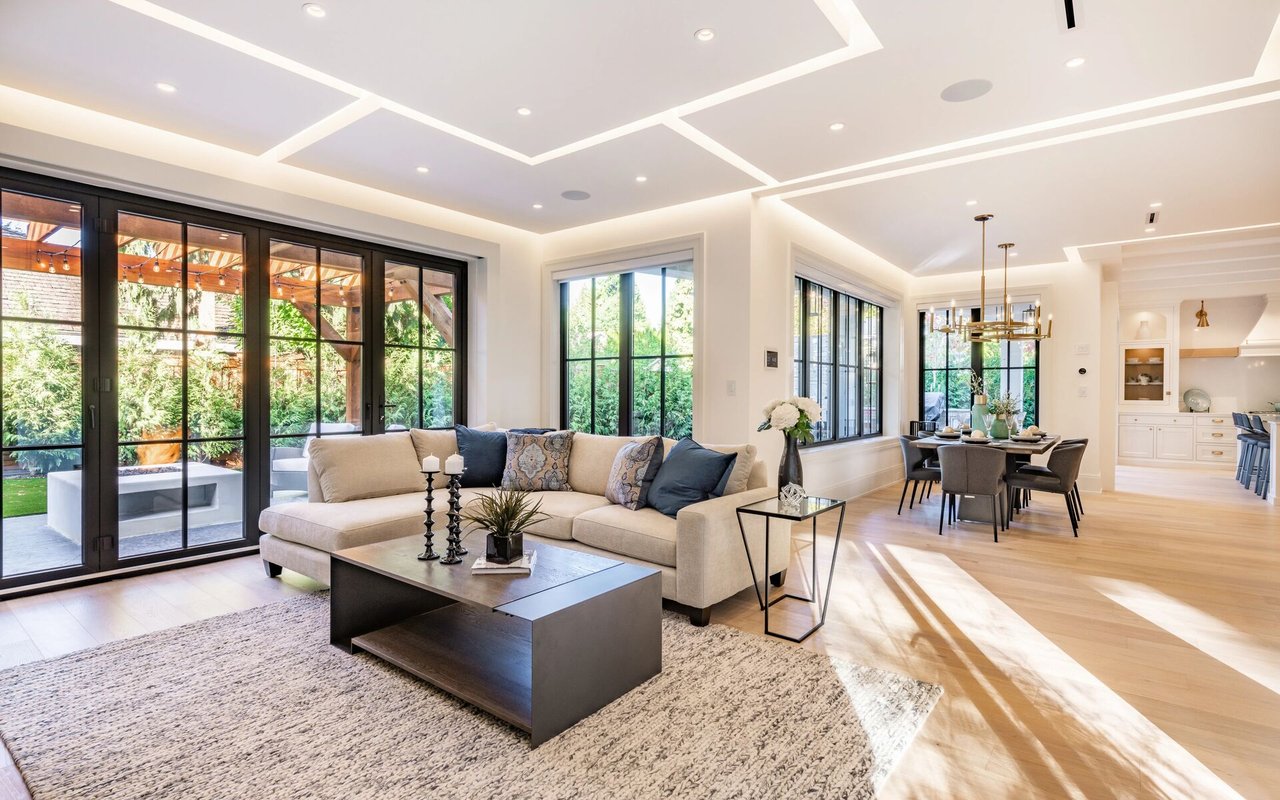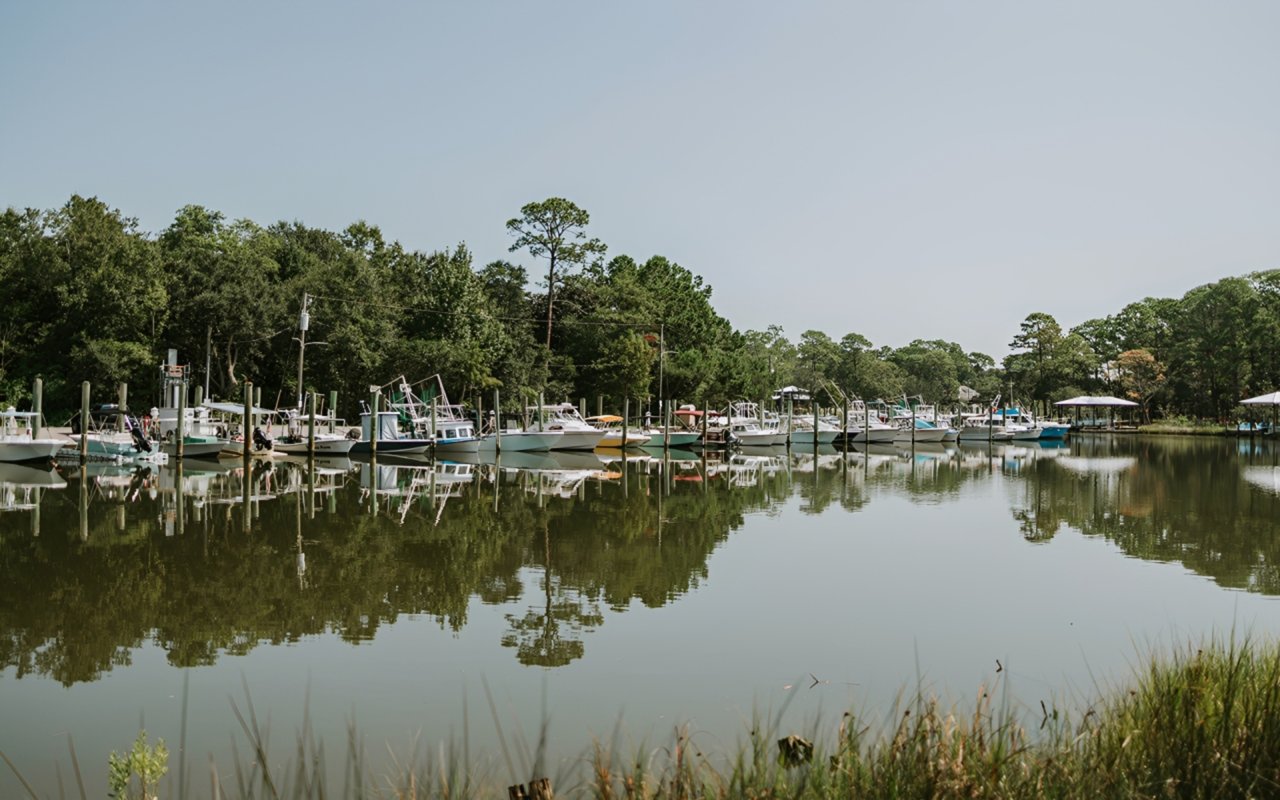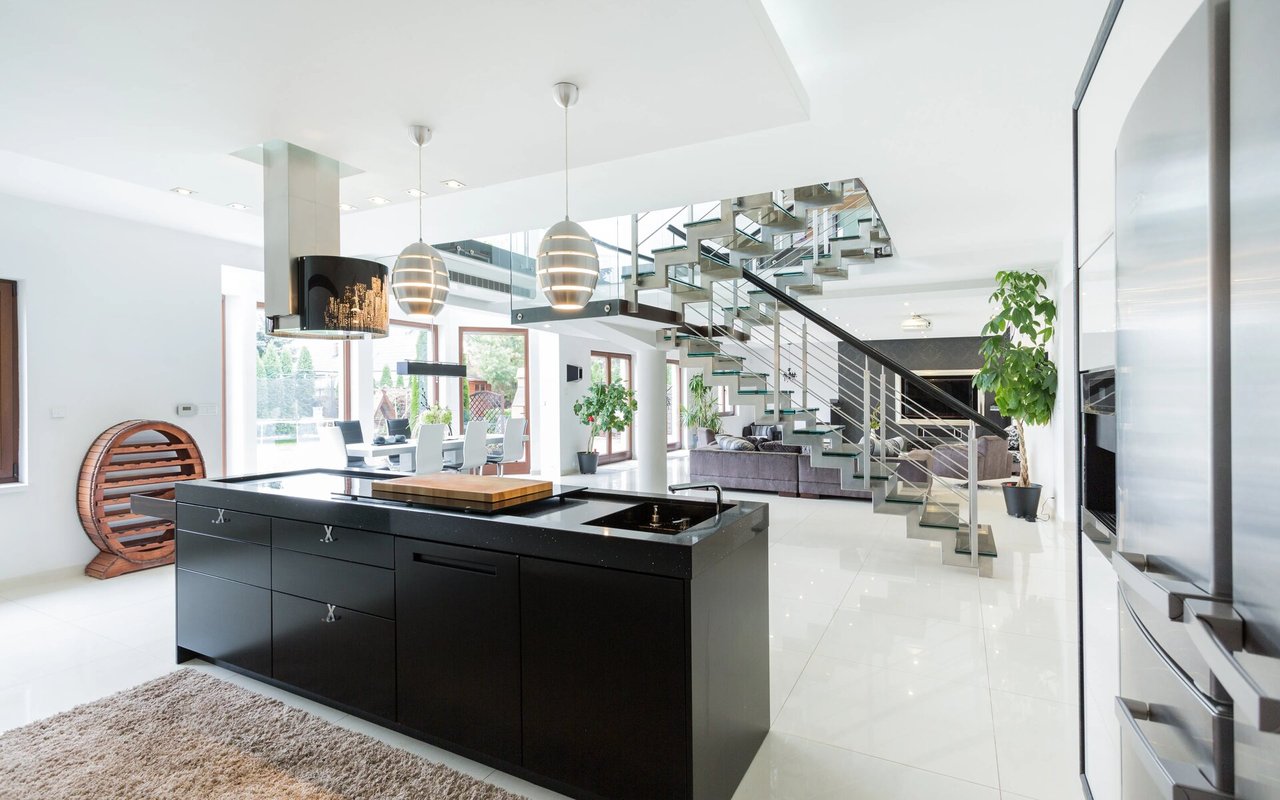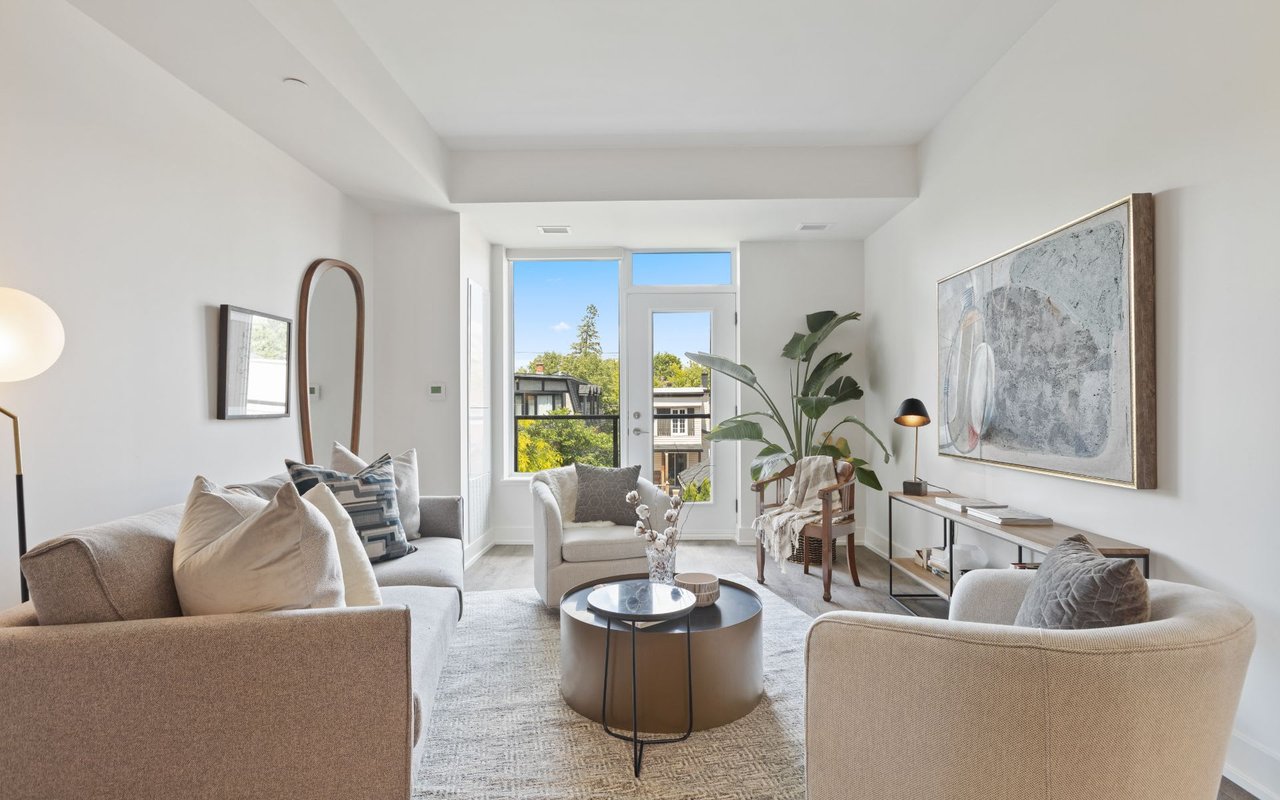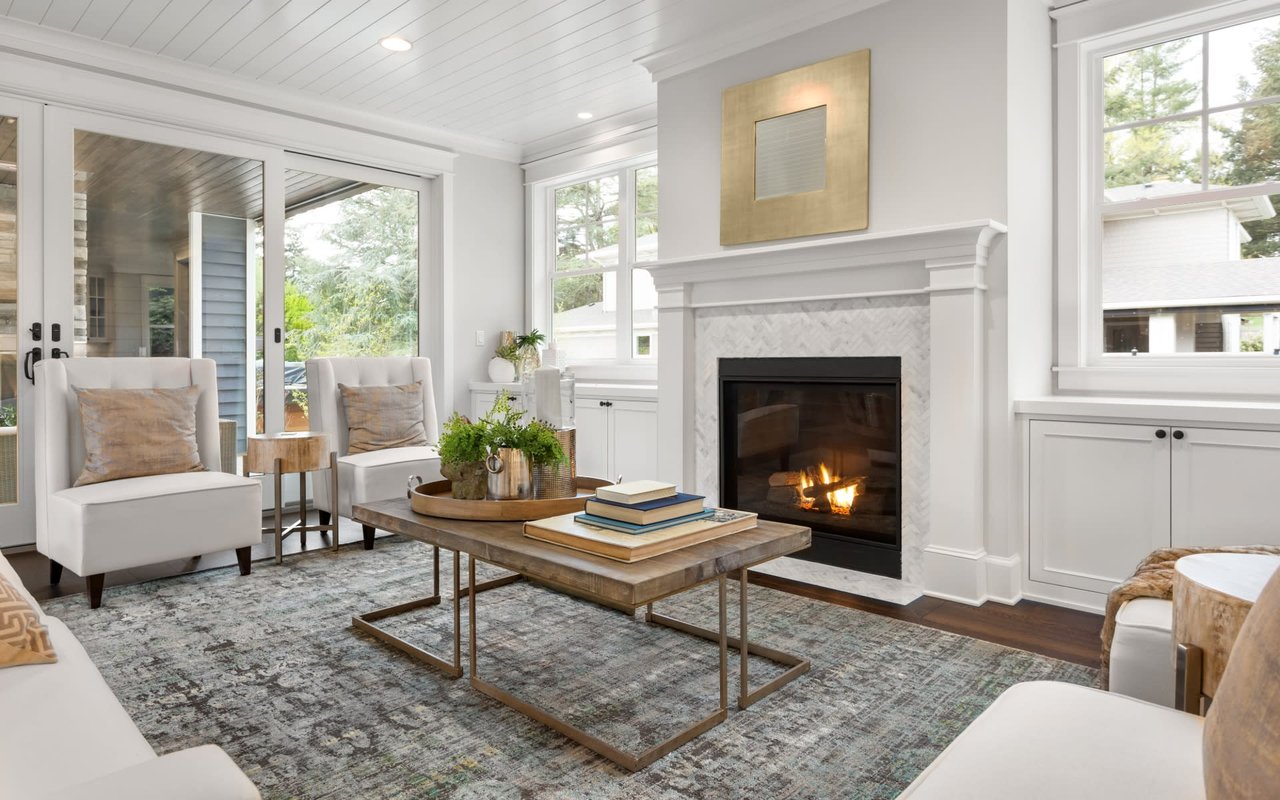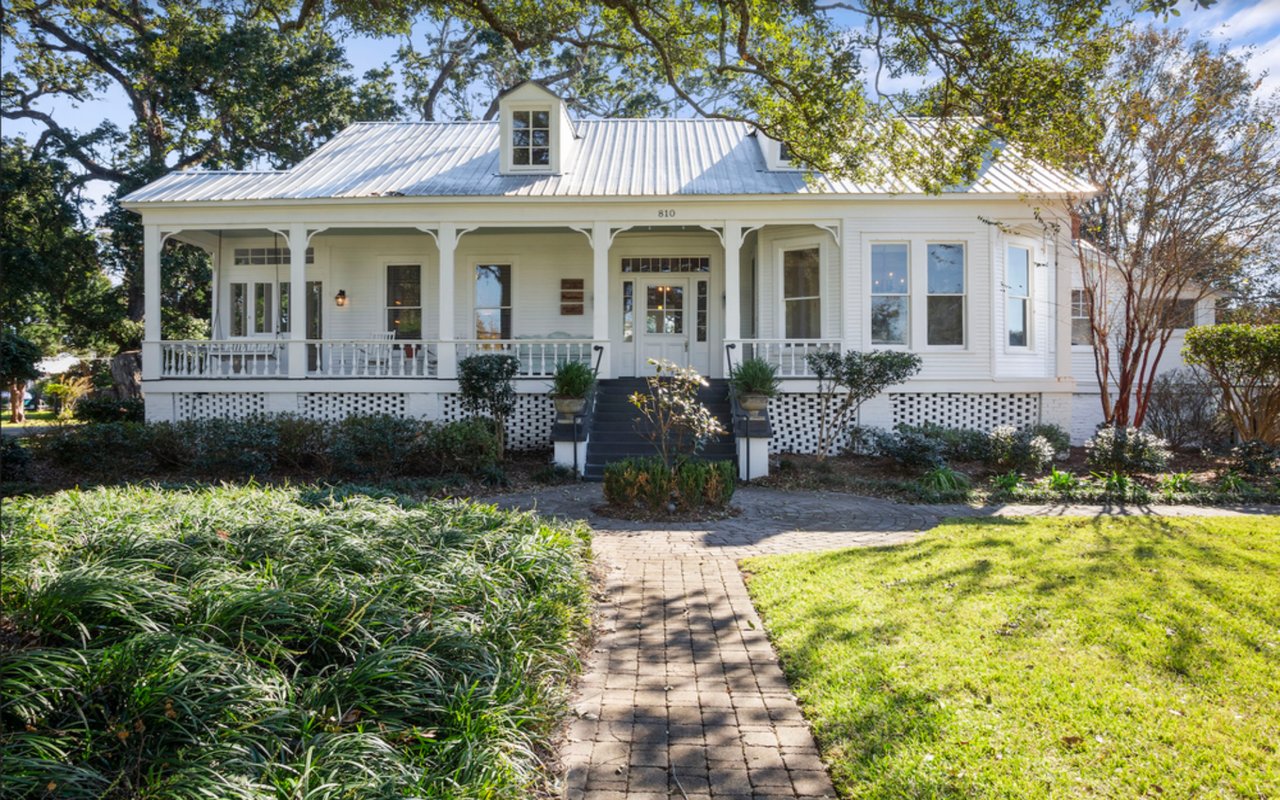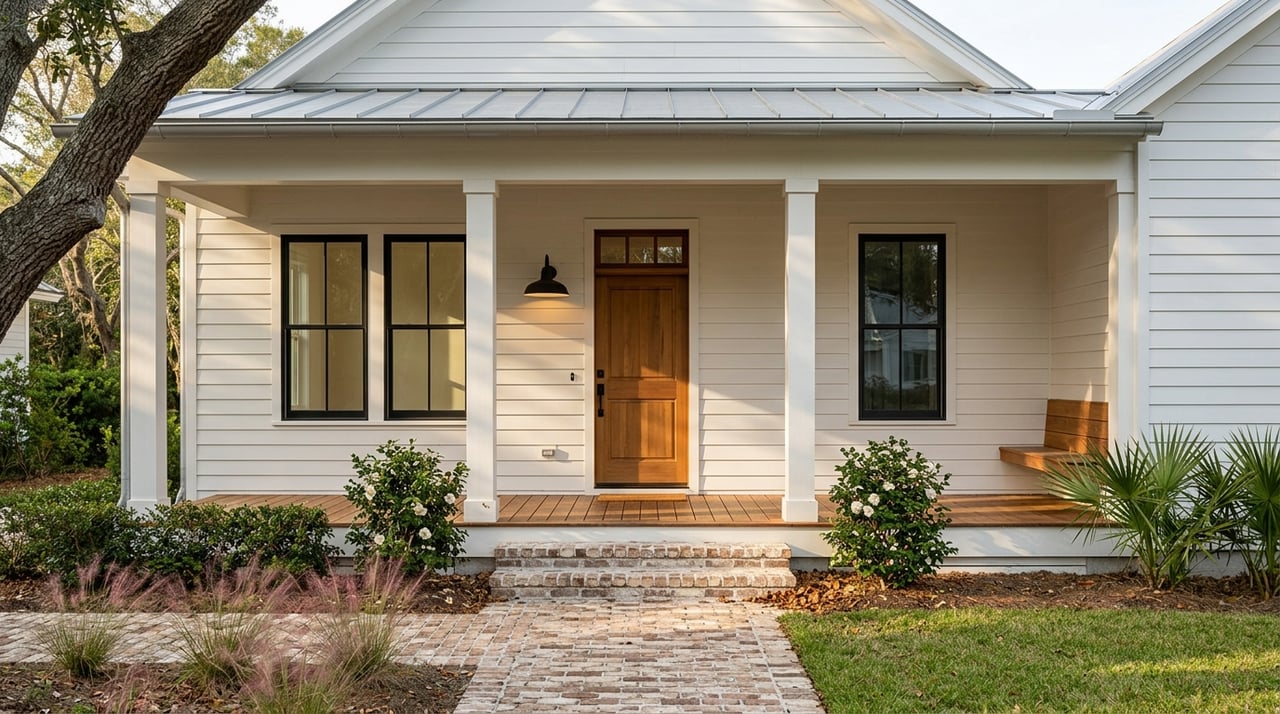
Wondering how to list a design-forward home in Ocean Springs without flattening its value into a generic price per square foot? If your home stands out for architecture, renovation quality, or location, you need more than a standard listing approach. You need a strategy that respects the home’s story, the city’s design context, and the buyers most likely to respond. Let’s dive in.
Why design matters in Ocean Springs
Ocean Springs is not a one-note market. Local planning documents describe it as a cottage community with a walkable downtown, strong arts institutions, and close access to the water’s edge. That setting helps explain why design, presentation, and location can carry real weight when your home comes to market.
This is also a city with a strong ownership base. Census QuickFacts cited in the city’s comprehensive plan show 18,954 residents, a 69.4% owner-occupied housing rate, a median household income of $78,929, and a median owner-occupied home value of $235,100. Those numbers offer useful context, but they do not define the ceiling for a distinctive home.
Price the right submarket
One of the biggest mistakes sellers make is pricing a standout property against broad city averages. Current data show a wide spread across Ocean Springs, which means your home may belong to a very different pricing conversation than the citywide median suggests. For design-forward properties, especially near downtown or the water, the relevant buyer pool is often much more specific.
Realtor.com places the citywide median listing price at $334,900, while Front Beach is reported at $887,500. Redfin’s MLS-based tracker shows a median sale price of $284,853 and 52 days on market for the three months ending April 2026. Because those sources use different methods, the numbers are best treated as directional, but together they show why a distinctive home should be positioned as its own segment.
Start with comparable homes
A smart pricing strategy begins with comparable sales that align as closely as possible with your home’s site, room count, finished area, style, and condition. Fannie Mae guidance also notes that appraisers may consider flood zone, and if a home is unique or nearby comps are limited, older sales or sales from competing areas may be used with clear reasoning. That matters in Ocean Springs, where truly comparable design-forward homes can be limited.
Your renovation budget is not the same thing as market value. Buyers respond to how the home lives, where it sits, and how it compares to other available options. In a place like Ocean Springs, premium location and well-executed updates often matter more than the owner’s cost basis.
Avoid the average-price trap
If your home is near the downtown core, Front Beach, or another premium pocket, broad city averages can lead you off course. A home with architectural character, preserved details, and a strong location should be measured against the properties buyers would realistically cross-shop. That is especially true when the spread between submarkets is this large.
Understand historic rules before listing
In Ocean Springs, design is not just aesthetic. In some areas, it is part of a regulatory framework. If your home is in a historic district, changes to the property may be subject to review, and that can affect how you prepare the listing and answer buyer questions.
The city’s Historic Preservation Commission reviews applications for erection, alteration, restoration, demolition, or moving of buildings and landmarks in historic districts. Final decisions are made by the Mayor and Board of Aldermen. If your home has undergone meaningful exterior work, it is worth having the approval trail organized before you list.
Focus on character-defining features
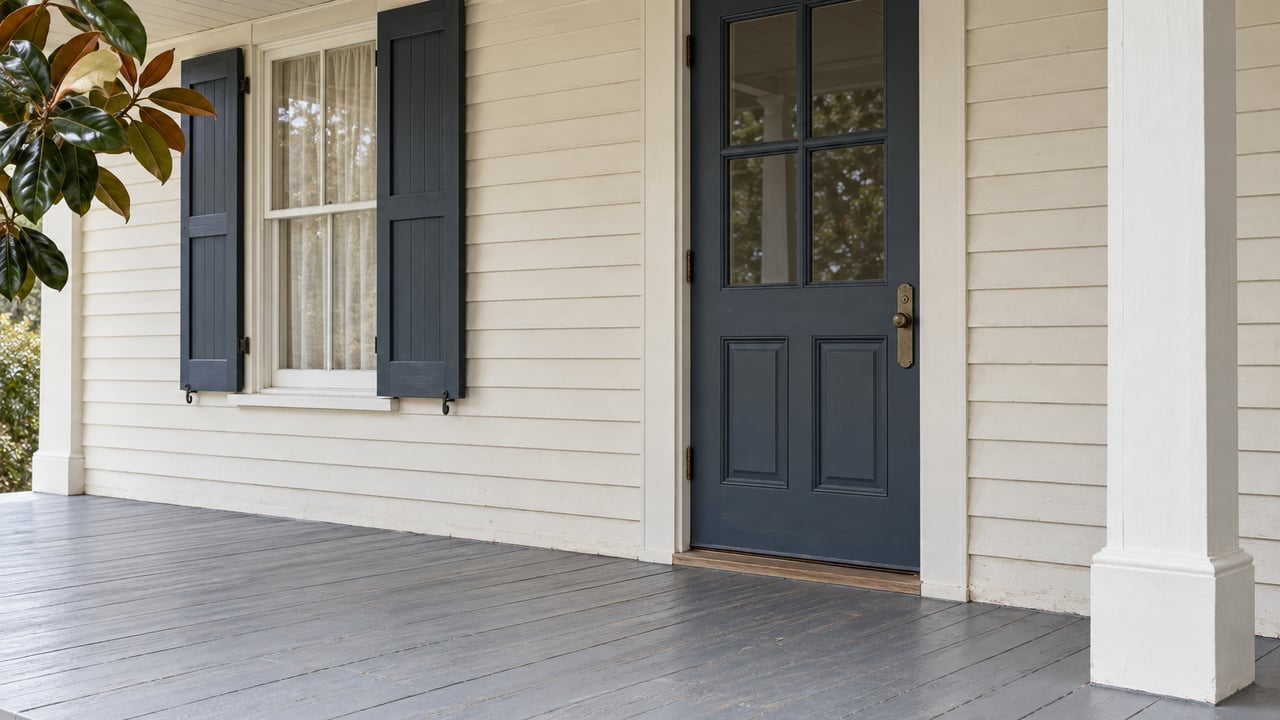
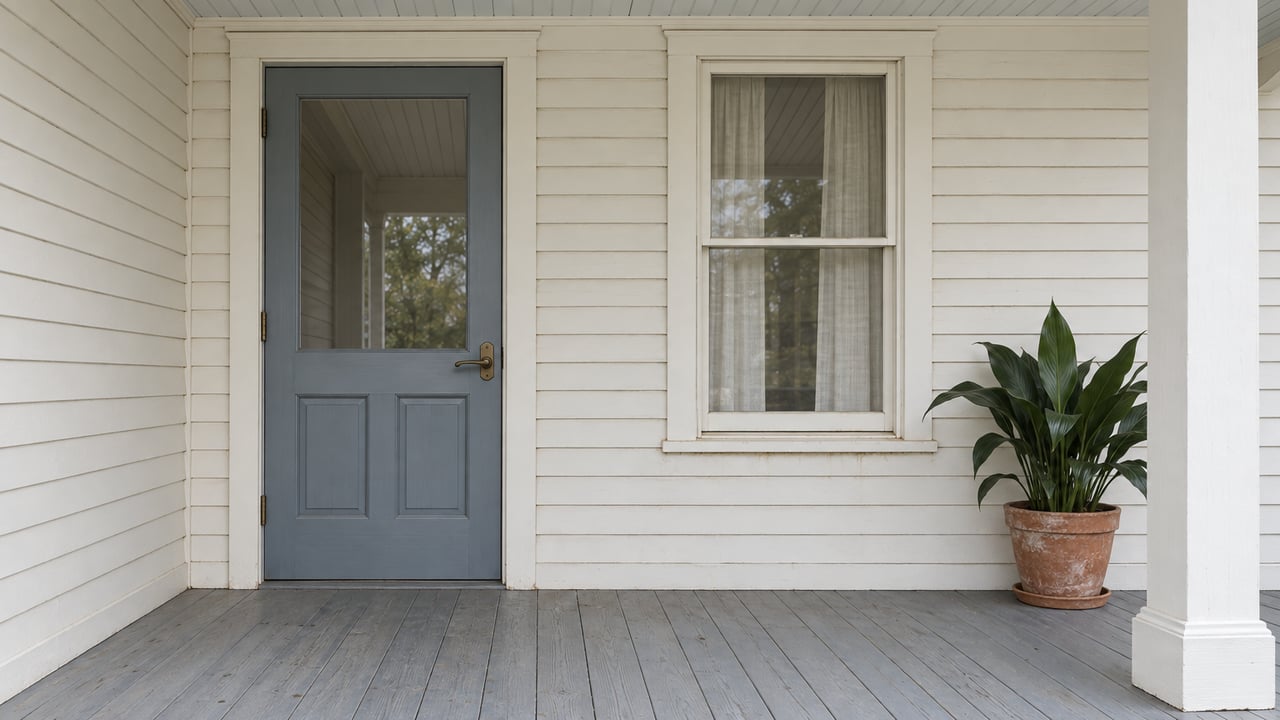
Ocean Springs’ historic guidelines identify roofs, windows, and doors as character-defining features. The guidelines state that roofs should retain their primary design, windows should generally be repaired rather than replaced for energy-efficiency reasons, replacement windows should match original design and configuration, and new door openings should not be added to the facade or front portion of side elevations.
That means buyers may see preserved original elements as part of the home’s value, not as outdated details. If you have documented restoration work or thoughtful material choices, that story can strengthen the listing. In a design-forward sale, details like this help buyers understand the difference between a cosmetic update and a carefully considered renovation.
Prepare for flood and permit questions
For coastal homes, practical documentation matters just as much as visual appeal. Ocean Springs’ Building Department says permits are required for work over $100 that is not flooring or painting. The department also states that development in the flood plain must be permitted, and structures in Special Flood Hazard Areas follow special guidelines, including an 18-inch freeboard above the current Base Flood Elevation.
Buyers of higher-character and higher-price-point homes often ask sharper questions early. If you can provide permit history, flood-zone information, and any relevant historic approvals up front, you reduce friction and build confidence. The official source for National Flood Insurance Program flood hazard information is FEMA’s Flood Map Service Center, which buyers and agents may reference during due diligence.
Have your pre-listing file ready
Before launch, it helps to gather:
- Permit history for renovations
- Flood-zone information
- Historic-district approvals, if applicable
- Documentation for original windows, doors, roof work, and material replacements
- A clear summary of major updates and when they were completed
This kind of preparation supports a smoother conversation from showing to contract. It also signals that the home has been cared for with intention.
Market the home like a category of one
Design-forward homes rarely sell best with a standard feature checklist. They need positioning. In Ocean Springs, that means connecting architecture, layout, craftsmanship, and setting into a story that feels true to the home and true to the city.
The local identity supports that approach. The Ocean Springs Chamber describes the city as walkable and arts-rich. The Walter Anderson Museum of Art sits in historic downtown within walking distance of eateries, shopping, and the water’s edge, and the Mary C. O’Keefe Cultural Center is another major arts anchor. For the right property, those context cues can help buyers picture a lifestyle rooted in design, culture, and daily ease.
Lead with craftsmanship and livability
Strong listing copy should explain not just what changed, but why it matters. Original details preserved, thoughtful renovations documented, and additions designed to feel integrated all help a home read as cohesive. That framing also aligns with local preservation guidance, which favors retaining distinctive materials, spaces, and spatial relationships.
In practical terms, the most effective story often centers on:
- Natural light
- Indoor-outdoor flow
- Layout logic
- Material quality
- Preservation of original character
- Proximity to downtown arts, dining, and the waterfront
Notice what is missing from that list. Generic coastal buzzwords. Buyers in this segment usually respond better to specifics.
Invest in presentation before launch
A distinctive home needs strong first impressions online. According to the National Association of Realtors, 52% of buyers found the home they purchased online, nearly half began their search online, and 81% rated listing photos as the most useful feature during that search. That makes photography, image order, and launch-day presentation central to your result.
NAR also notes that high-resolution photos and video tours are essential, and that clutter and poor furniture placement are magnified by the camera. Just as important, buyers who like what they see online expect the home they visit in person to match that impression.
Stage the rooms that matter most
Staging is especially useful for design-forward homes because it helps buyers visualize the space clearly. NAR reports that 83% of buyers’ agents say staging makes it easier for buyers to see the property as a future home. The same research found that 48% of sellers’ agents believe staging decreases time on market, and 20% believe it can raise offers by 1% to 5%.
The most important rooms to stage are:
- Living room
- Primary bedroom
- Kitchen
For a home with strong architecture or custom interiors, staging should not compete with the design. It should clarify scale, create flow, and support the mood the space already has.
Build a launch plan that feels intentional
Design-forward homes benefit from coordination. Photos, video, pricing, copy, and timing should all support the same message. When those elements are disconnected, buyers feel it, even if they cannot name why.
A thoughtful launch often includes a camera-ready presentation, a polished visual asset package, and pricing built around the most relevant comps rather than broad averages. In a market like Ocean Springs, where submarkets can vary dramatically, that level of discipline helps your listing reach the right audience faster.
Why strategy matters more than ever
Ocean Springs has the kind of local identity that rewards nuance. Walkable streets, arts institutions, historic character, and coastal access all shape buyer expectations. When your home is design-forward, the goal is not to make it appeal to everyone. The goal is to present it clearly enough that the right buyer sees its value immediately.
That takes more than putting a home on the market. It takes advisory pricing, strong documentation, and hospitality-grade presentation. If you are preparing to list a distinctive home in Ocean Springs, working with a team that understands design, story, and local market segmentation can make the process more focused and the positioning more precise.
If you want a more strategic plan for pricing, presenting, and launching a distinctive Ocean Springs property, talk with Rain Residential.
FAQs
What makes a home design-forward in Ocean Springs?
- In Ocean Springs, a design-forward home typically stands out for architecture, preserved character, thoughtful renovations, material quality, and a strong relationship to its setting, especially near downtown or the waterfront.
How should you price a distinctive home in Ocean Springs?
- You should price it using the most relevant comparable homes based on location, style, condition, size, and site rather than relying on a broad citywide median.
What historic district issues matter when listing a home in Ocean Springs?
- If the home is in a historic district, you should be ready to show any approvals tied to exterior changes, restorations, or other work reviewed through the city’s preservation process.
What documents should sellers gather before listing a coastal home in Ocean Springs?
- Sellers should gather permit history, flood-zone information, historic-district approvals if applicable, and records related to windows, doors, roof work, and major material replacements.
Why are professional photos and staging important for an Ocean Springs listing?
- Professional photos and staging help buyers understand the home online first, and research shows that listing photos are one of the most useful tools in a buyer’s search while staging can help reduce time on market and improve offer strength.