Choosing between front-beach and in-town living in Pass Christian is not just about distance from the water. It is about how you want your days to feel. You may be picturing porch time along Scenic Drive, or you may want to step out near the harbor, shops, and downtown streets. This guide will help you compare the two so you can search with more clarity and confidence. Let’s dive in.
Why location feels different here
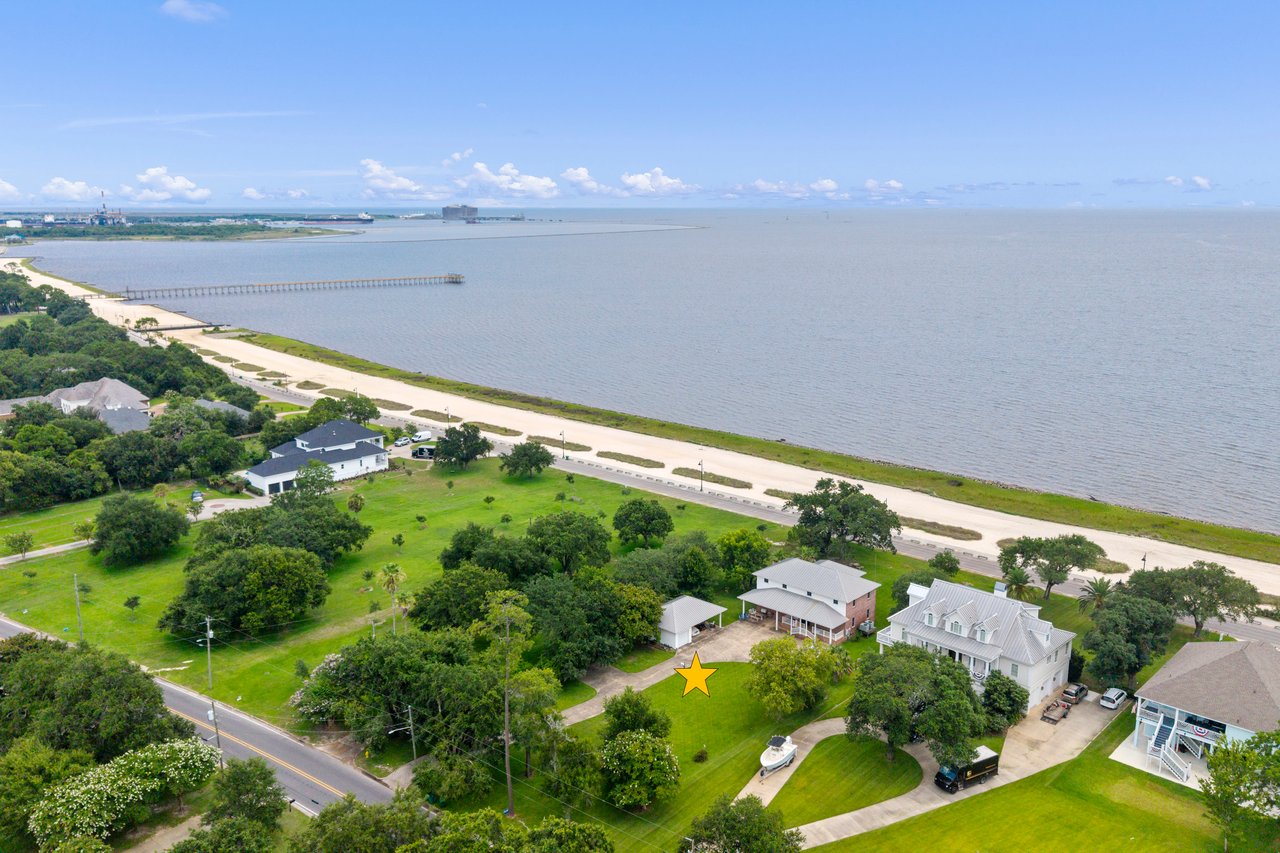
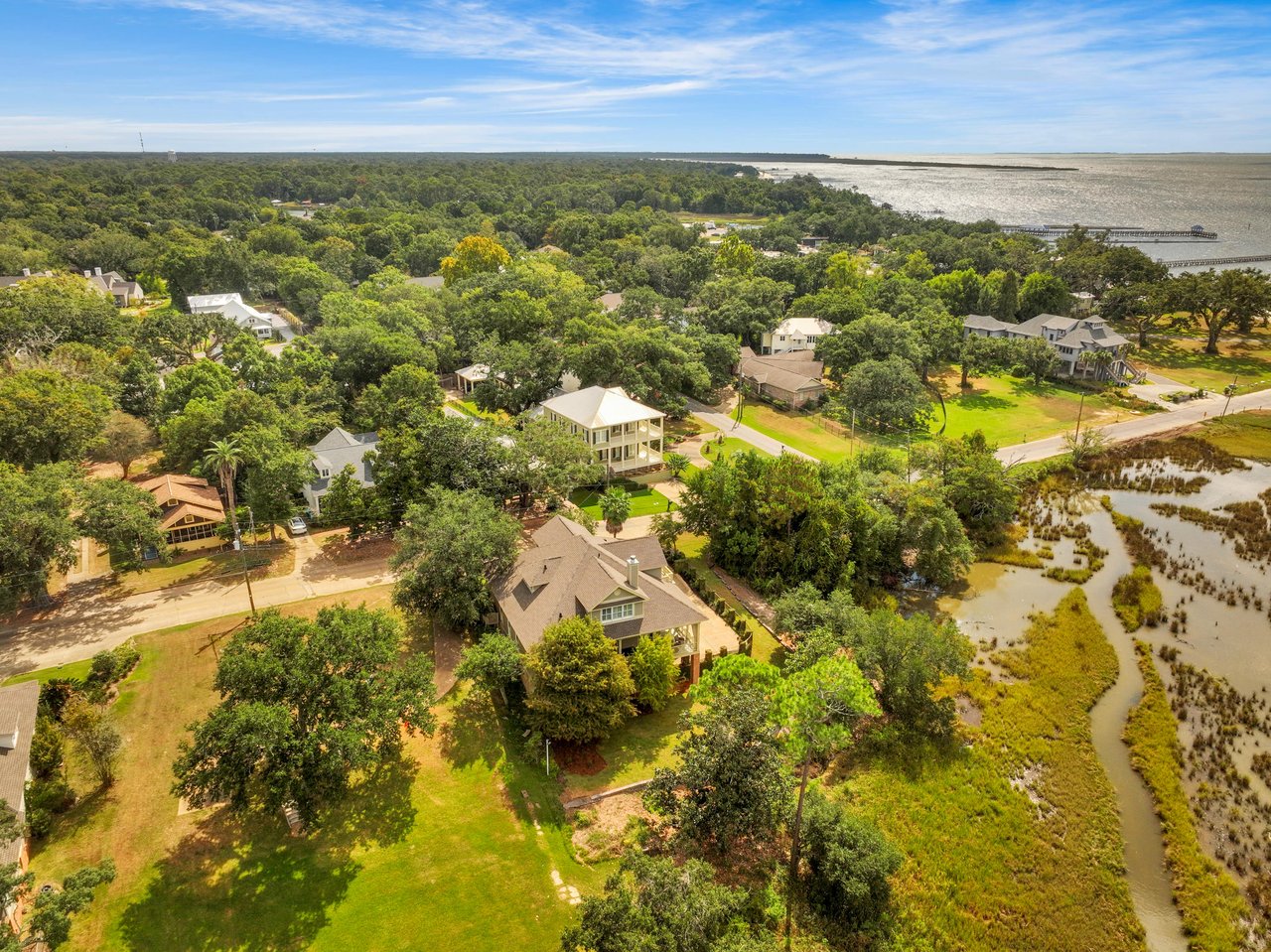
Pass Christian’s layout makes this decision more meaningful than it might be in other coastal towns. The city sits on a peninsula into the Mississippi Sound and Gulf of Mexico, with two harbors, two parks, seafood-related businesses, and a small-business core.
That geography creates distinct living patterns. In this comparison, the front-beach side means the waterfront stretch along Scenic Drive and West Beach Boulevard. In-town refers to the traditional business and downtown blocks around Market Street, Davis Avenue, and nearby inland streets.
The key thing to remember is that Pass Christian is block sensitive. A front-beach address may still be close to downtown, and an in-town address may still put you within a short walk or golf-cart ride of the water. Still, the streetscape, building style, and daily pace usually change as you move from the waterfront toward the business district and inland blocks.
Front-beach living in Pass Christian
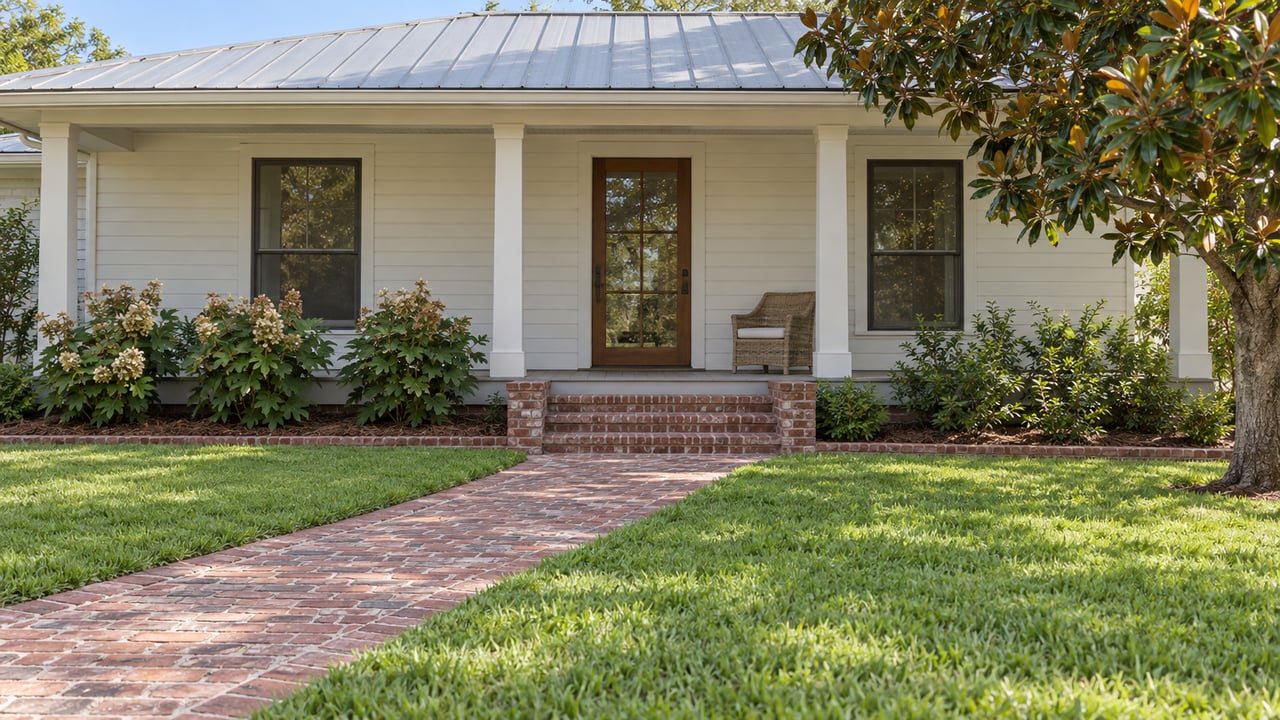
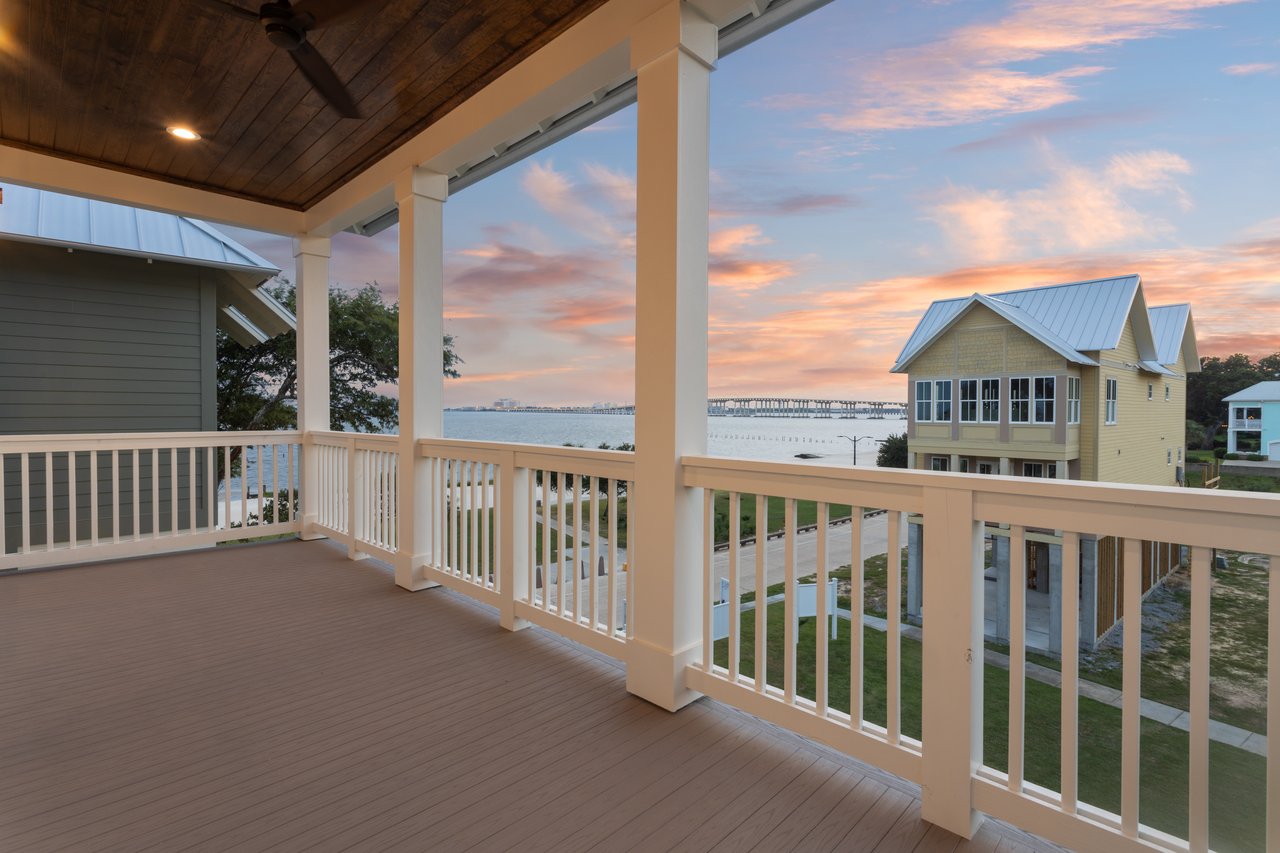
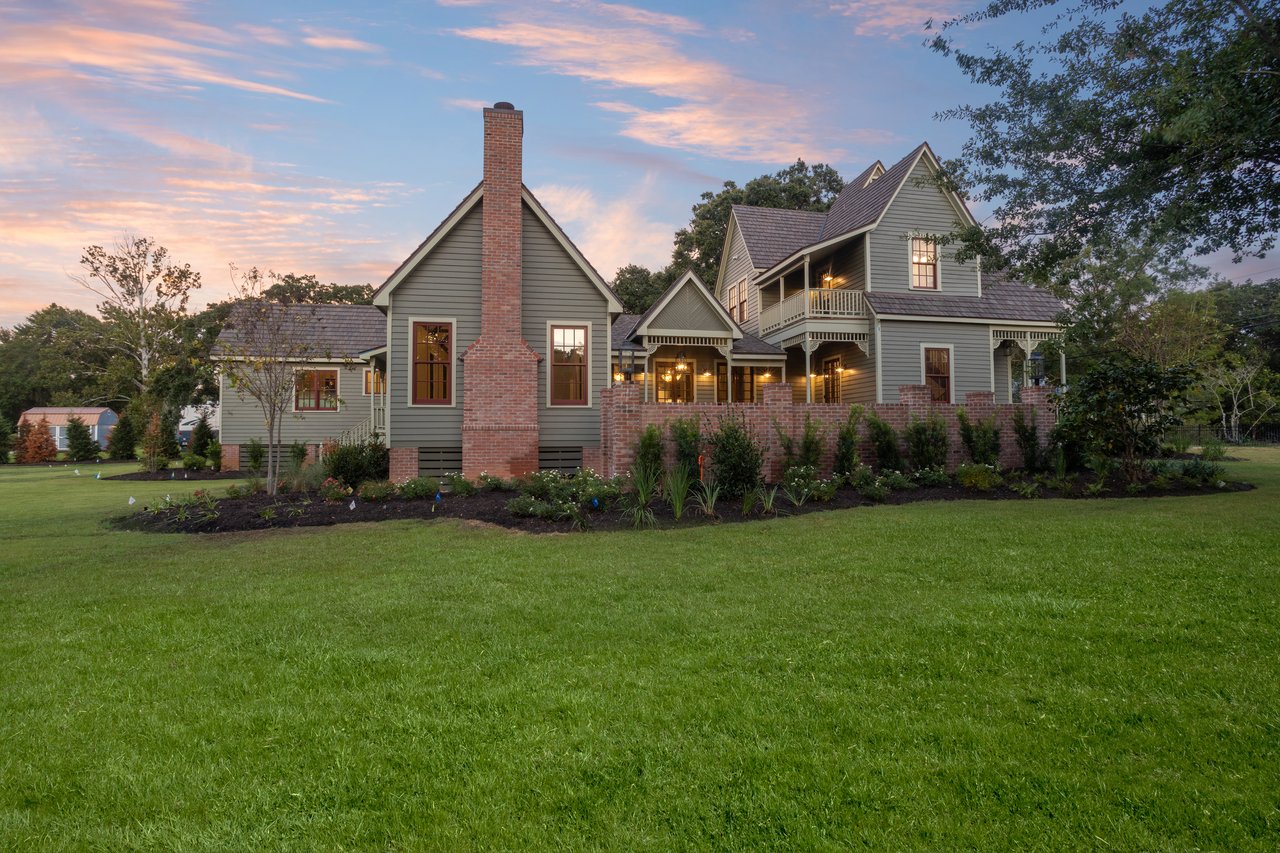
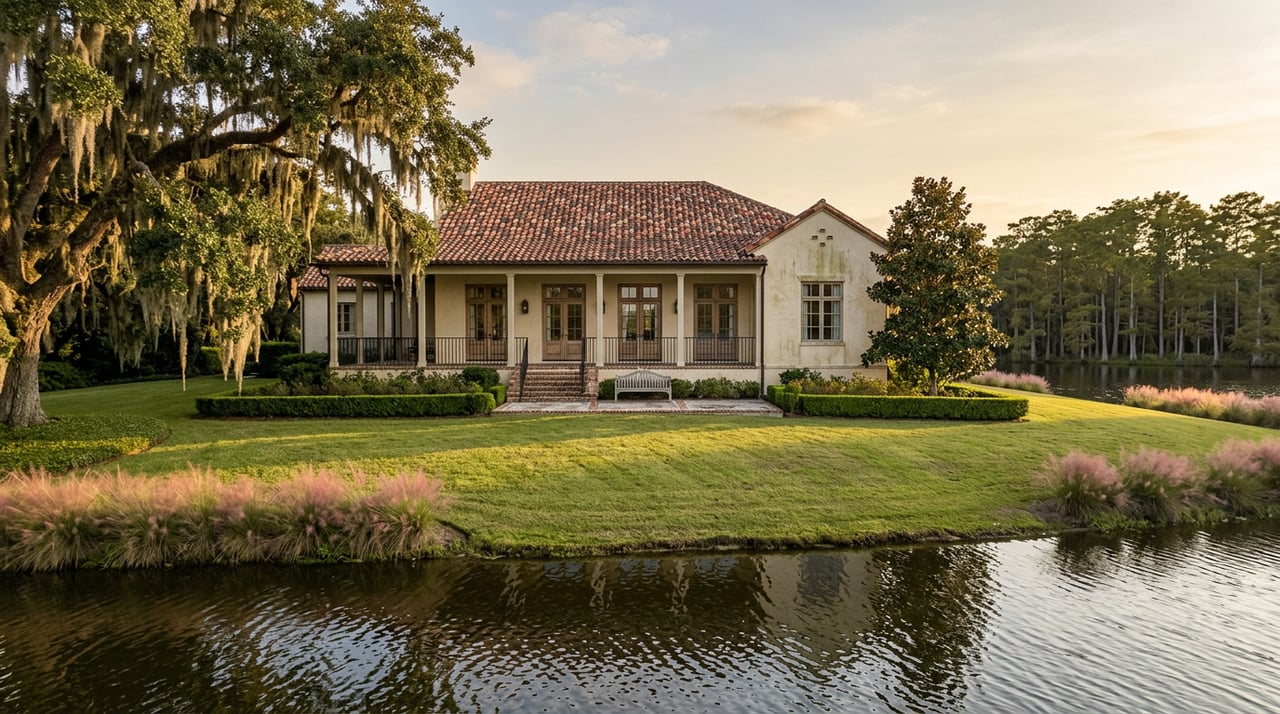
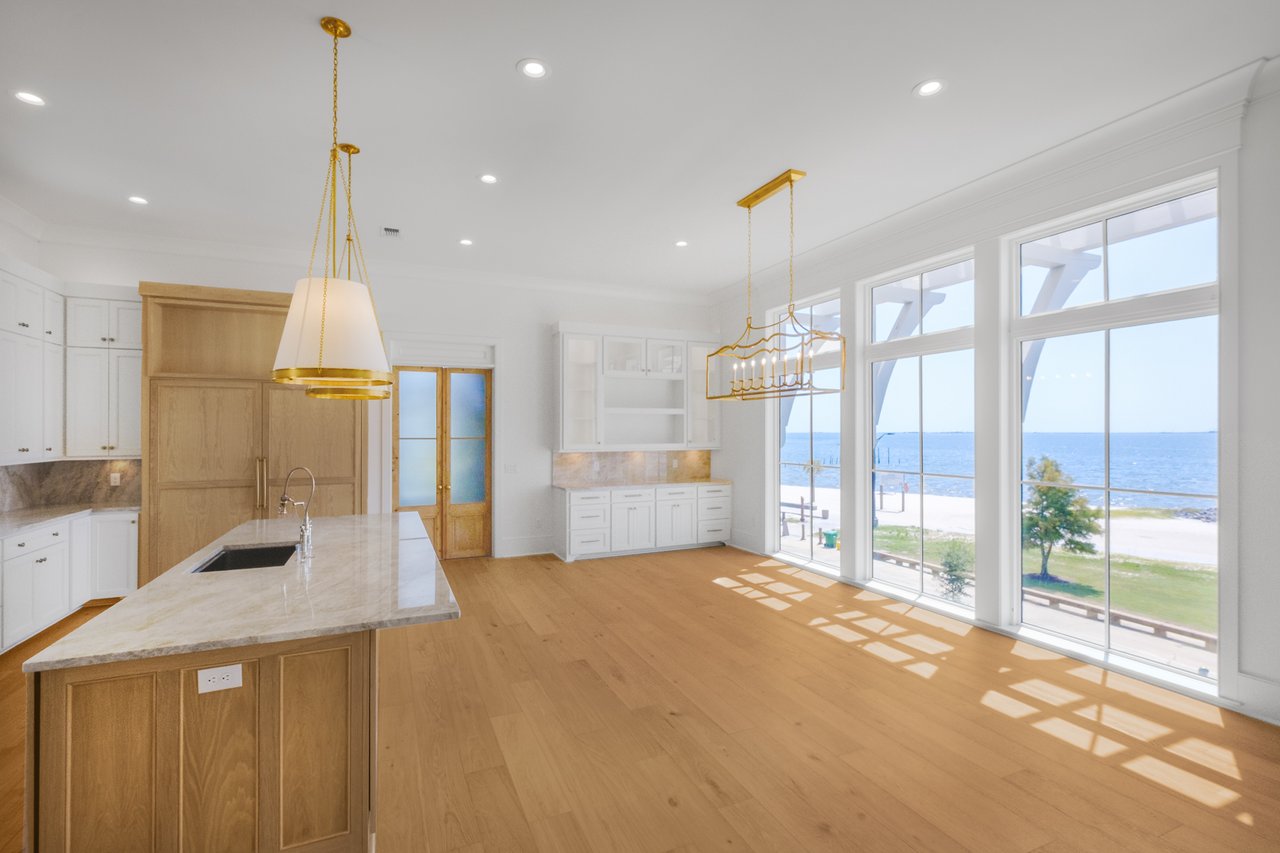
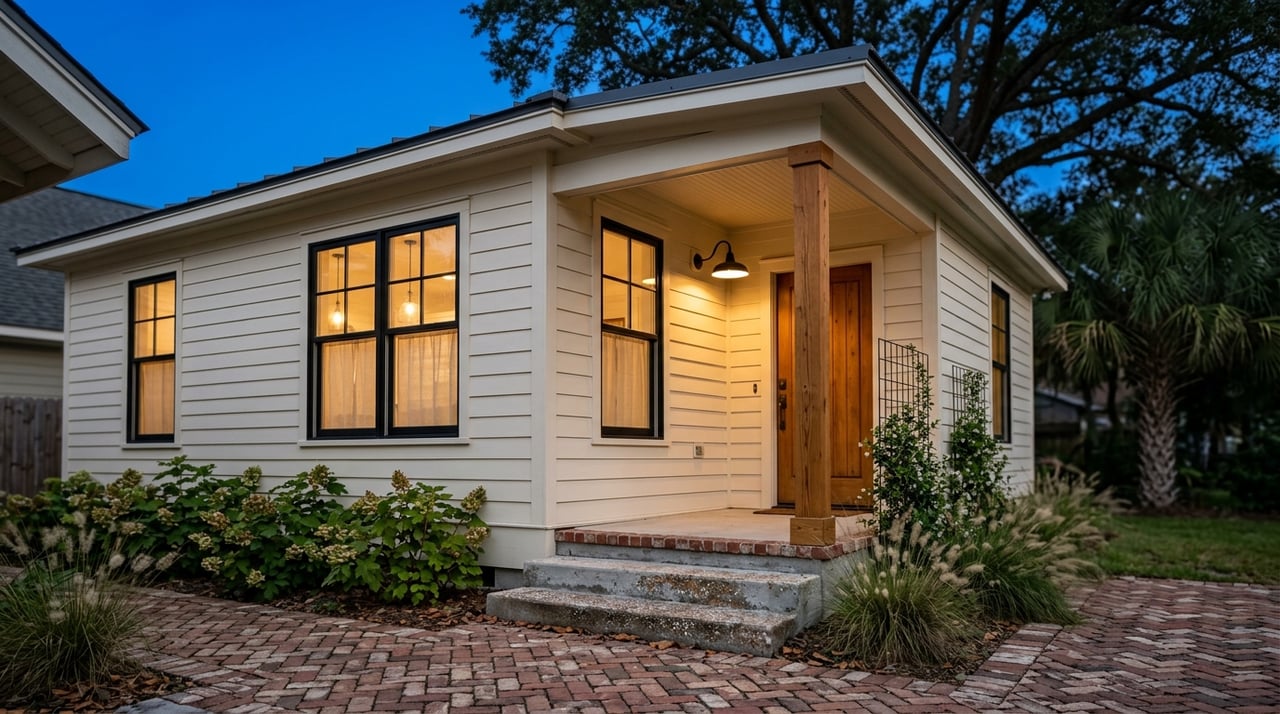
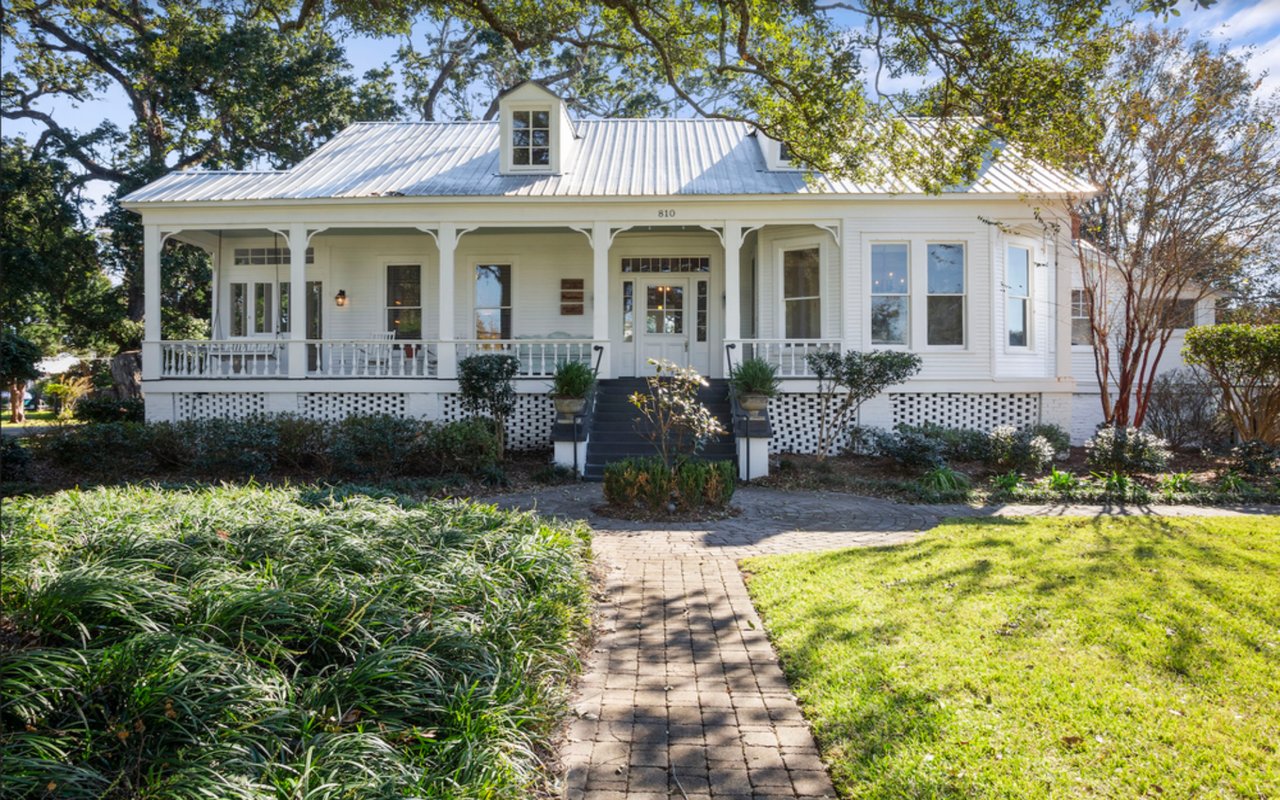
Front-beach living tends to appeal to buyers who want strong coastal character and a direct visual relationship to the water. Along Scenic Drive and West Beach Boulevard, the historic pattern emphasizes homes that face the water with purpose.
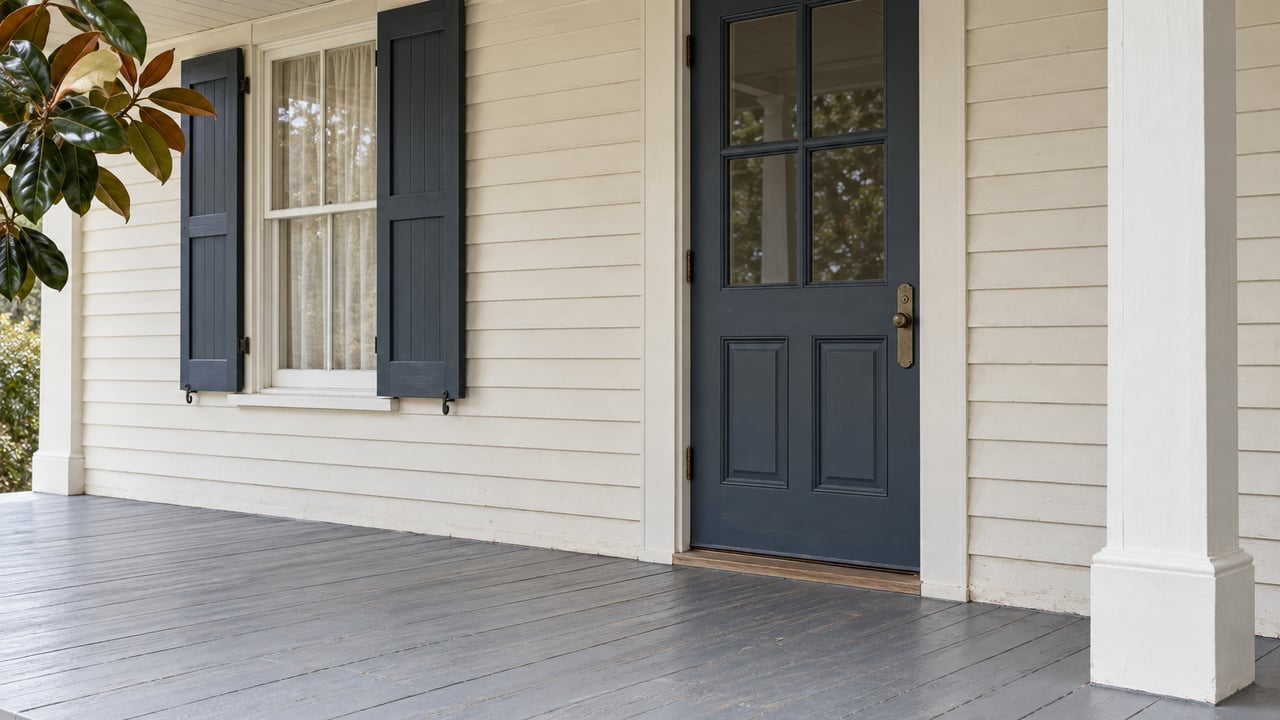
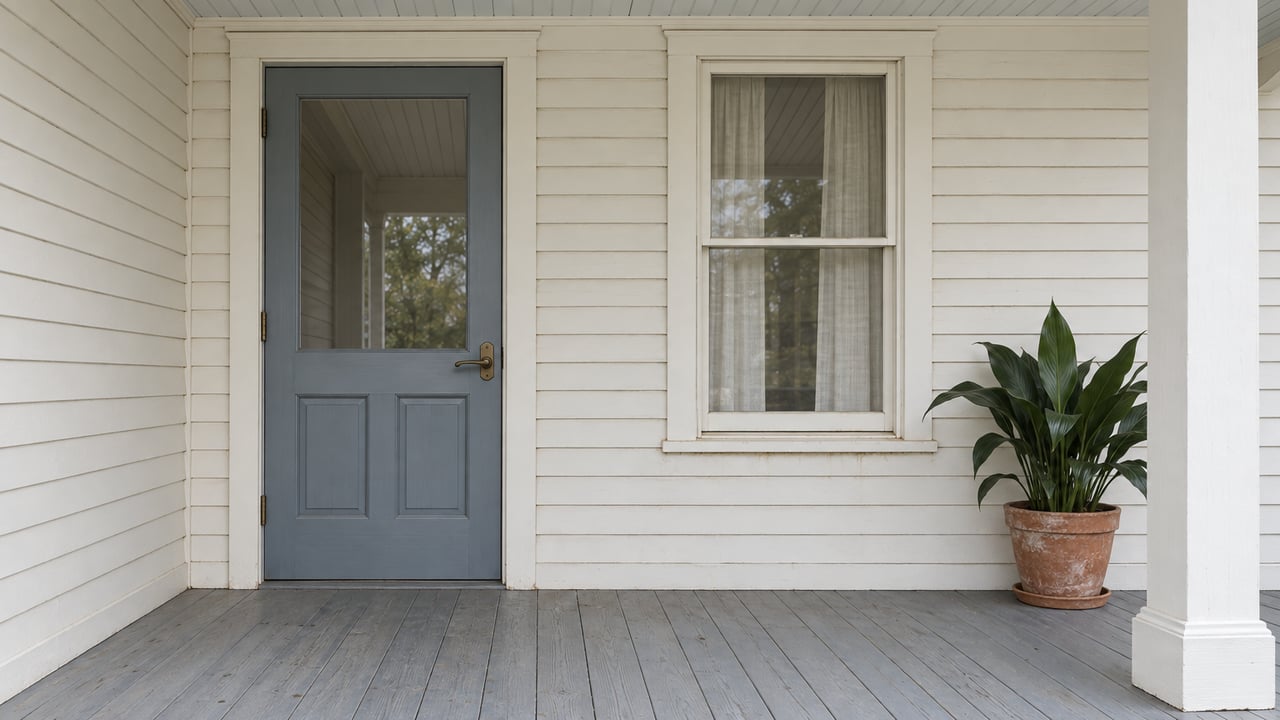
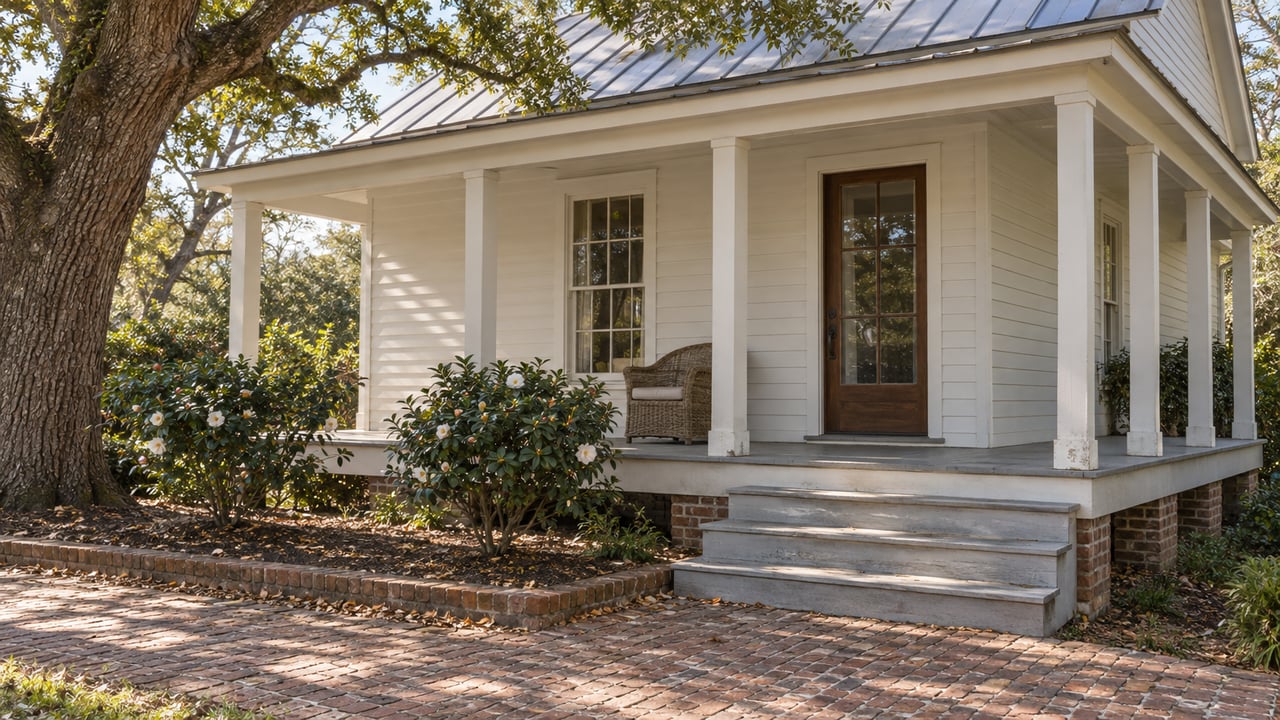
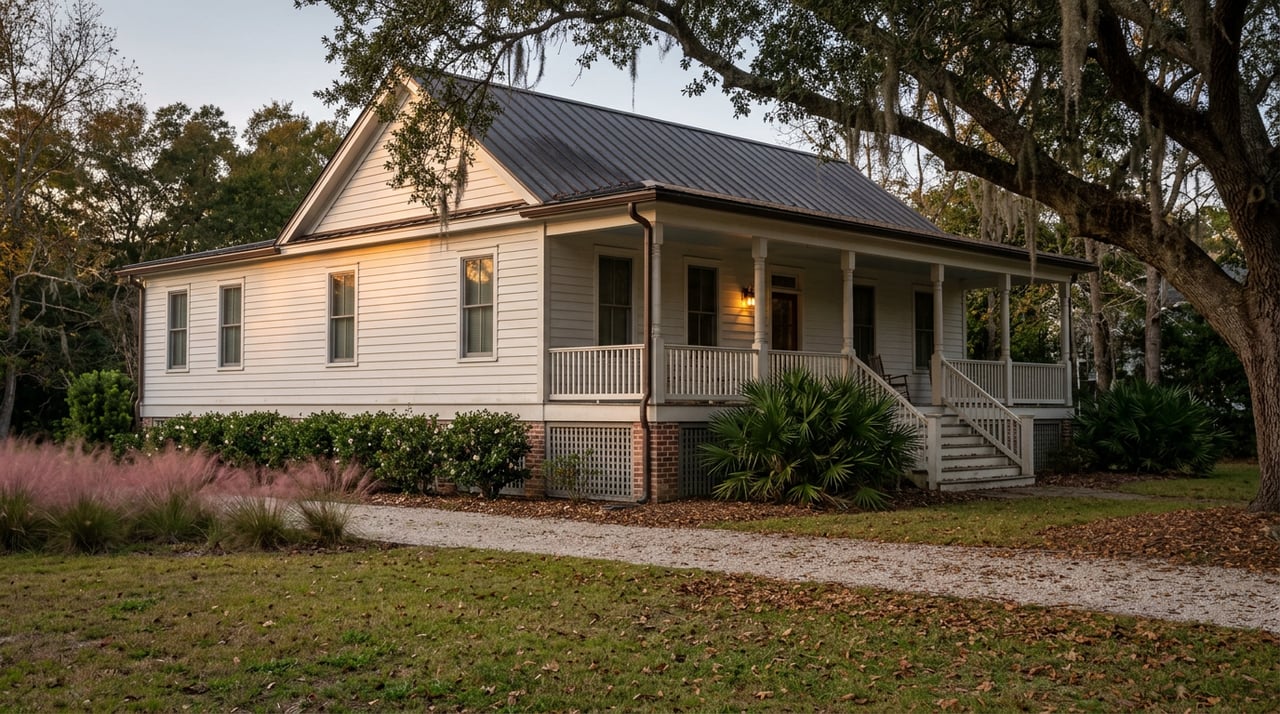
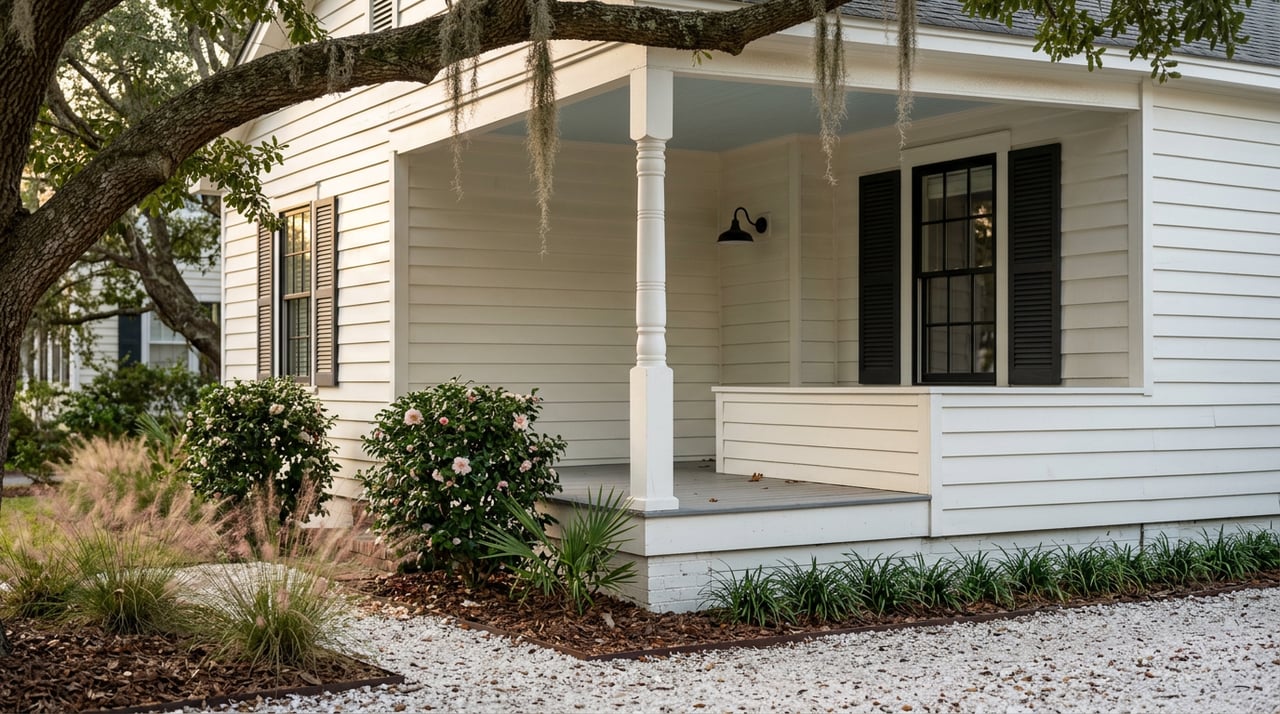
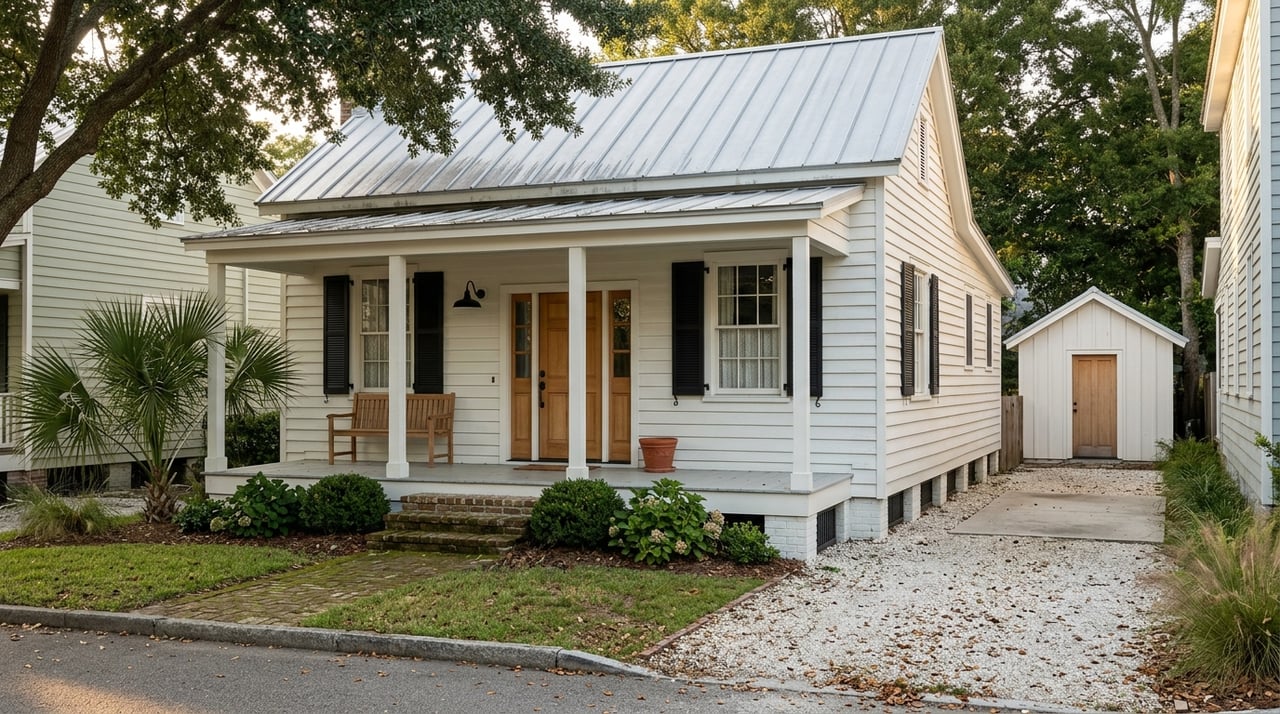
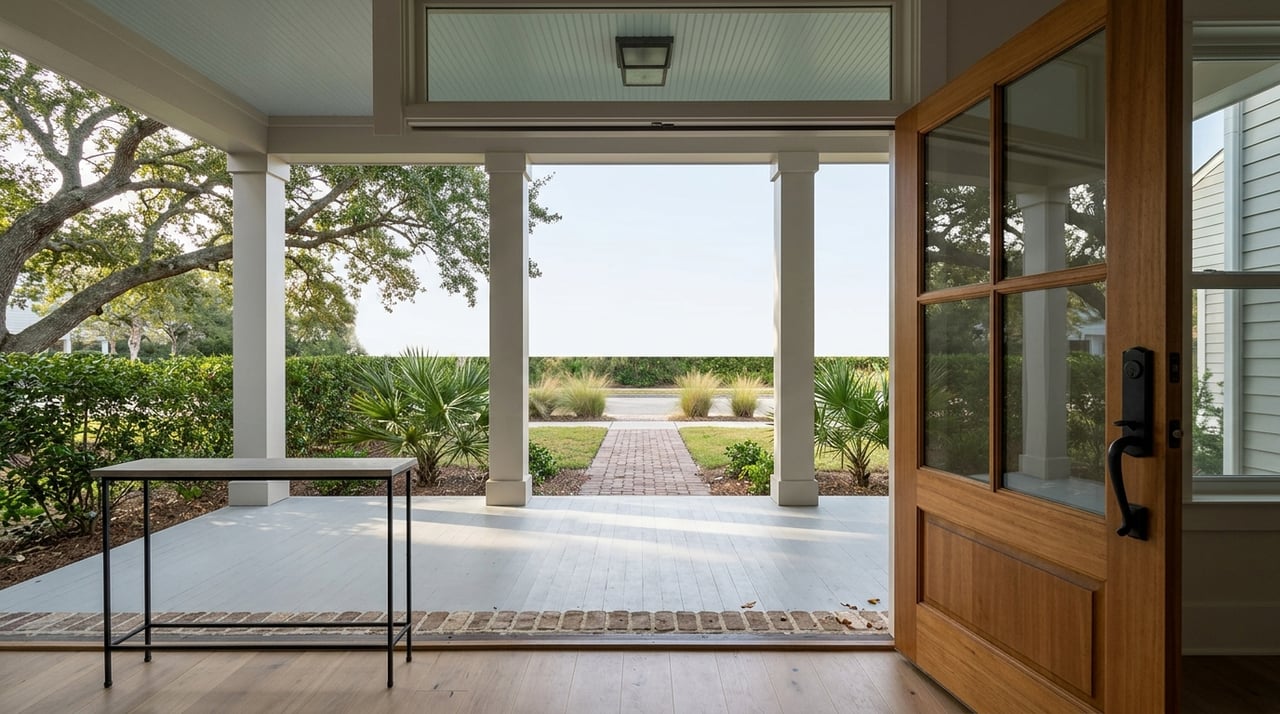
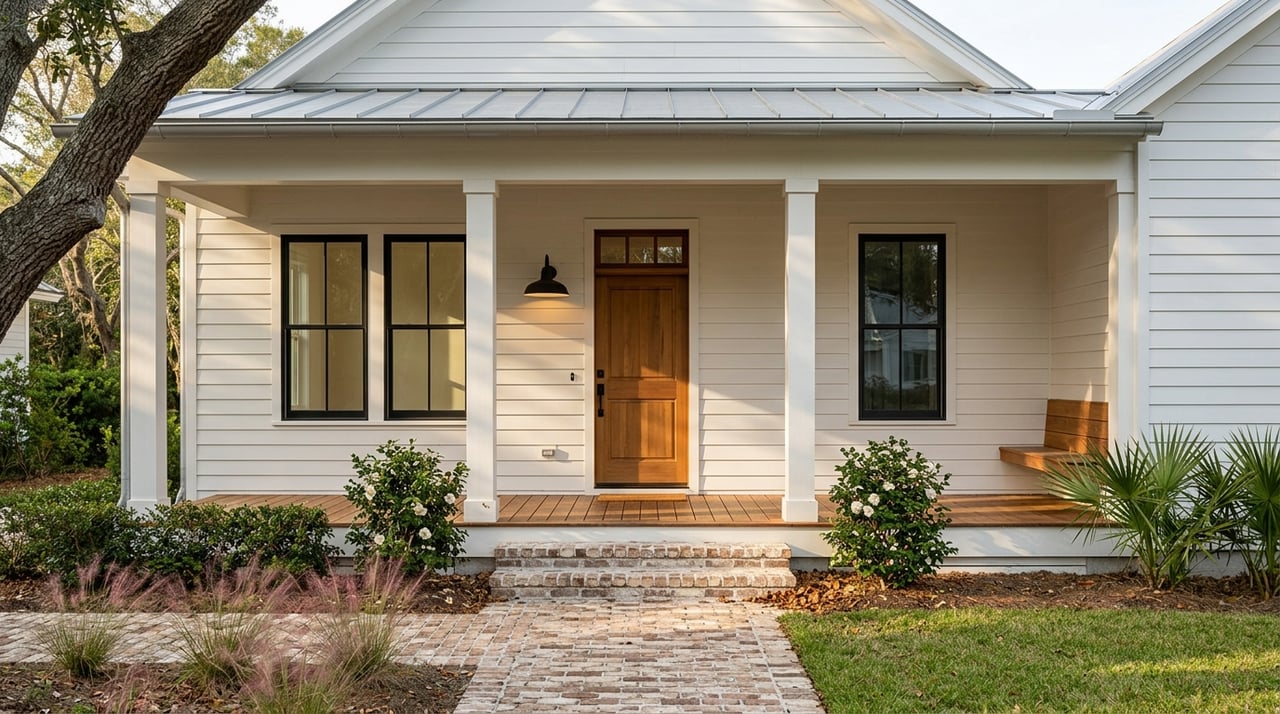
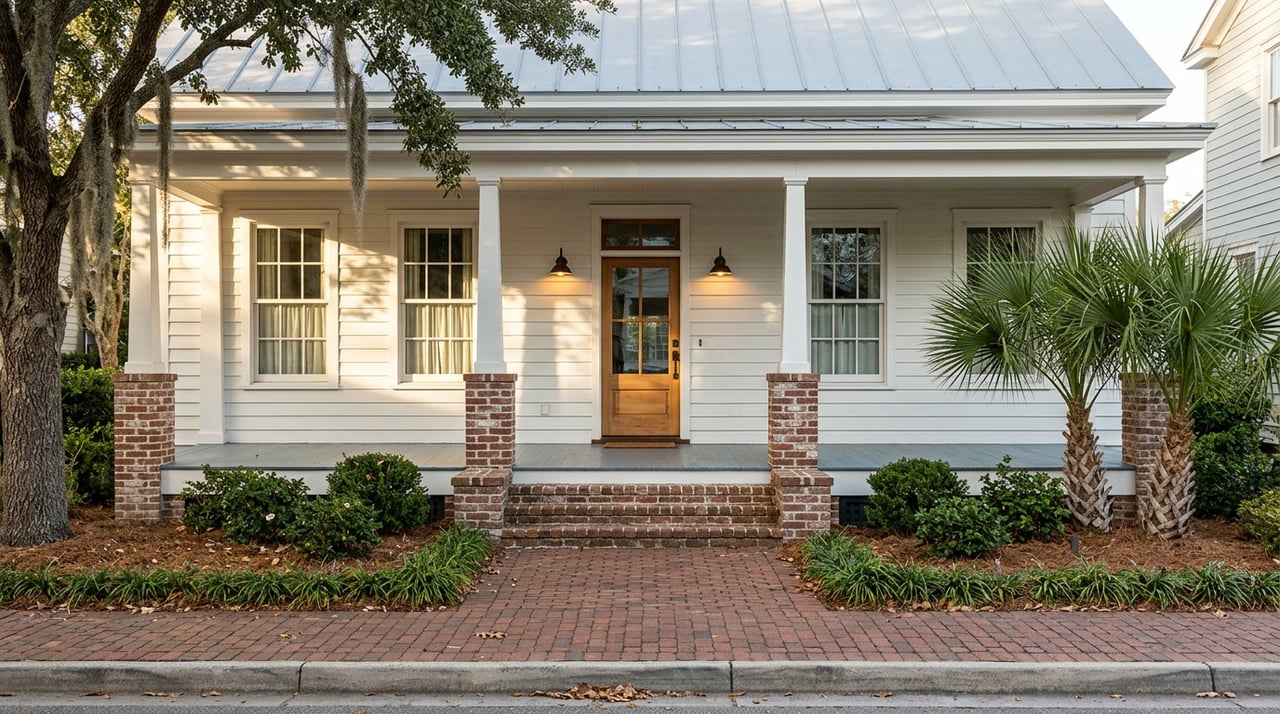
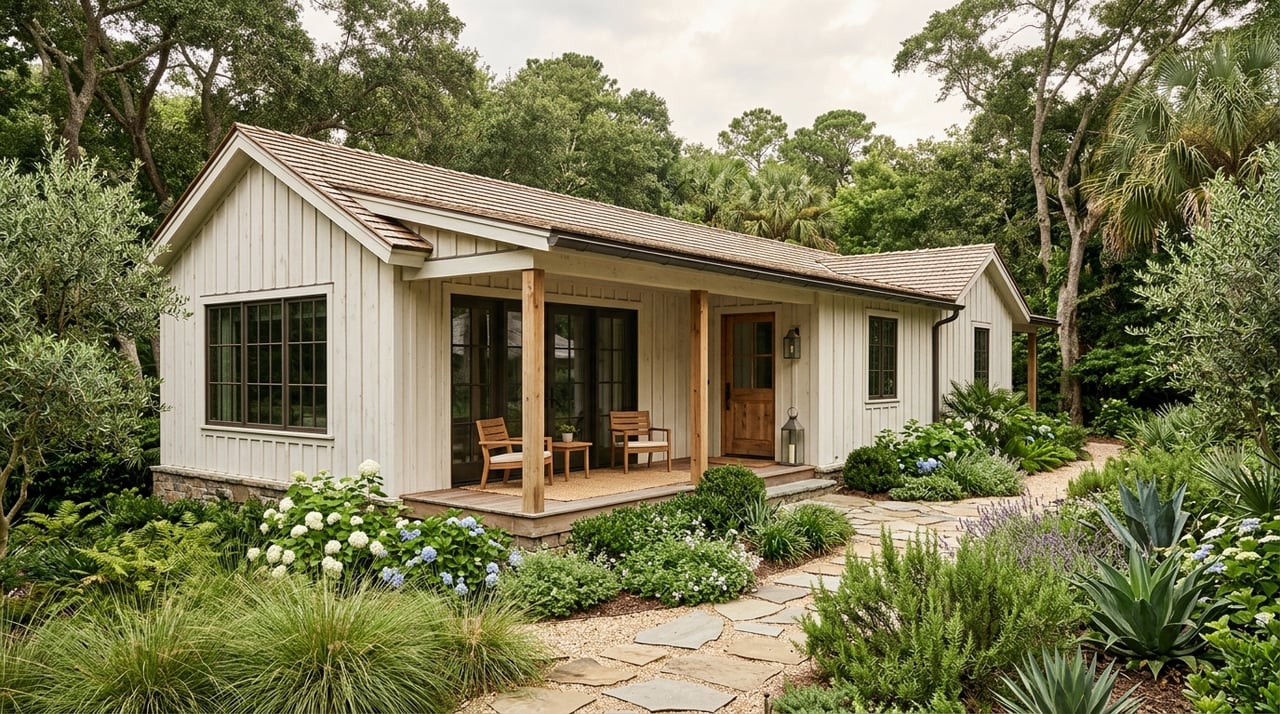
City preservation guidelines describe front-beach buildings as having broad galleries, pitched roofs, raised foundations on brick piers, and one- or two-story wood-frame construction. Porches are a traditional feature, and historically common fences were often low, such as white picket or cast iron, placed near the property line.
In practical terms, that means front-beach homes often feel expressive and presentation-driven. The architecture is part of the lifestyle. If you care about porch living, elevation, and a setting that feels tied to the shoreline, this side of town may line up with your priorities.
What front-beach living may offer
- A stronger waterfront atmosphere
- Historic coastal design character
- Porch-oriented living and open visual presence
- A streetscape with a long run of historic properties
What to think through carefully
- Exterior changes may require review if the parcel is inside the historic district
- Floodplain development review may matter, especially for waterfront-focused parcels
- Lot utility and parking may feel less conventional than slightly inland options
In-town living in Pass Christian
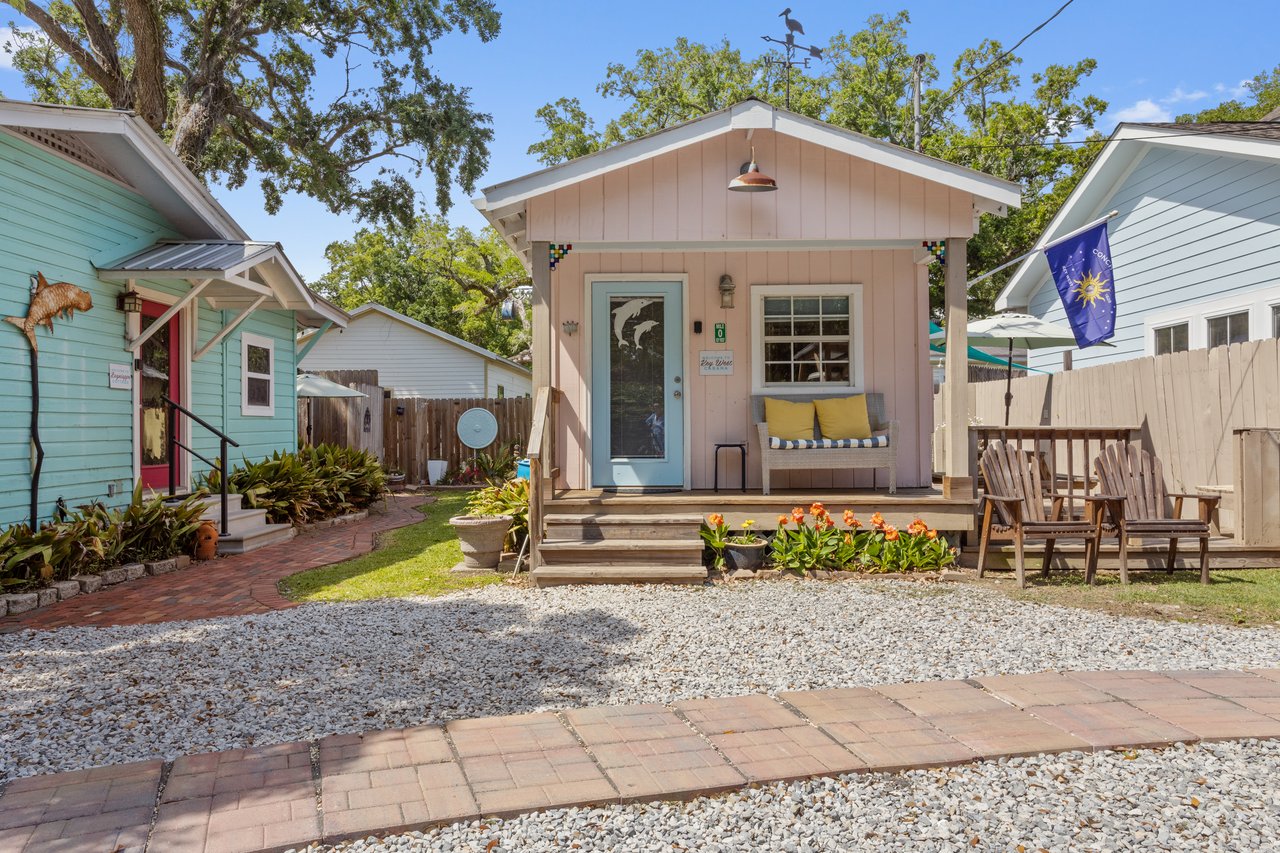
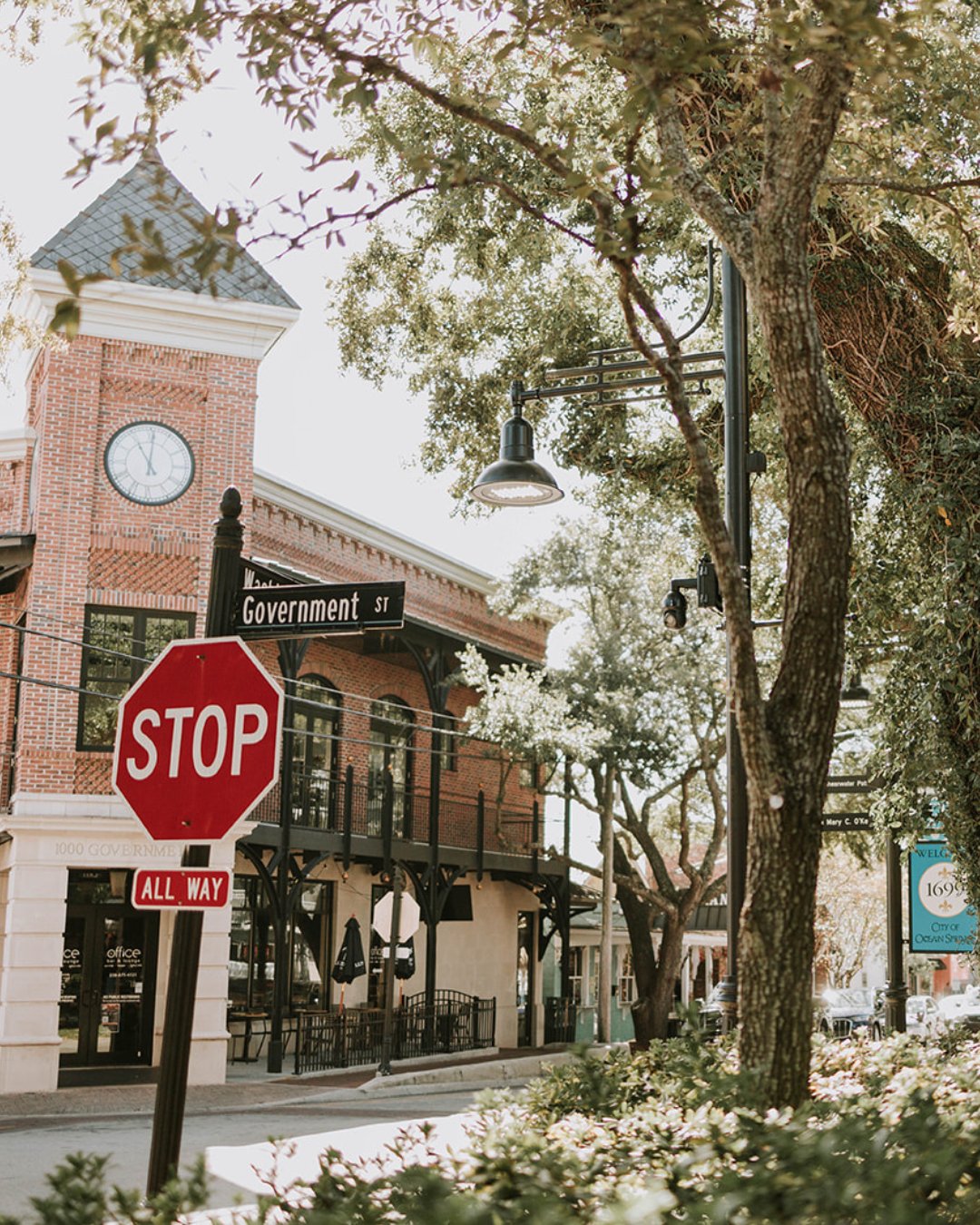
In-town living usually fits buyers who want a compact daily routine. Downtown Pass Christian includes walkable streets and blocks near War Memorial Park, with boutique hotels, restaurants, shopping, and community activity in the core.
Pass Christian Main Street also describes the traditional downtown as a walkable district with shops, local food, and events. If your ideal day includes heading out on foot for coffee, dinner, errands, or a local event, in-town living may feel especially convenient.
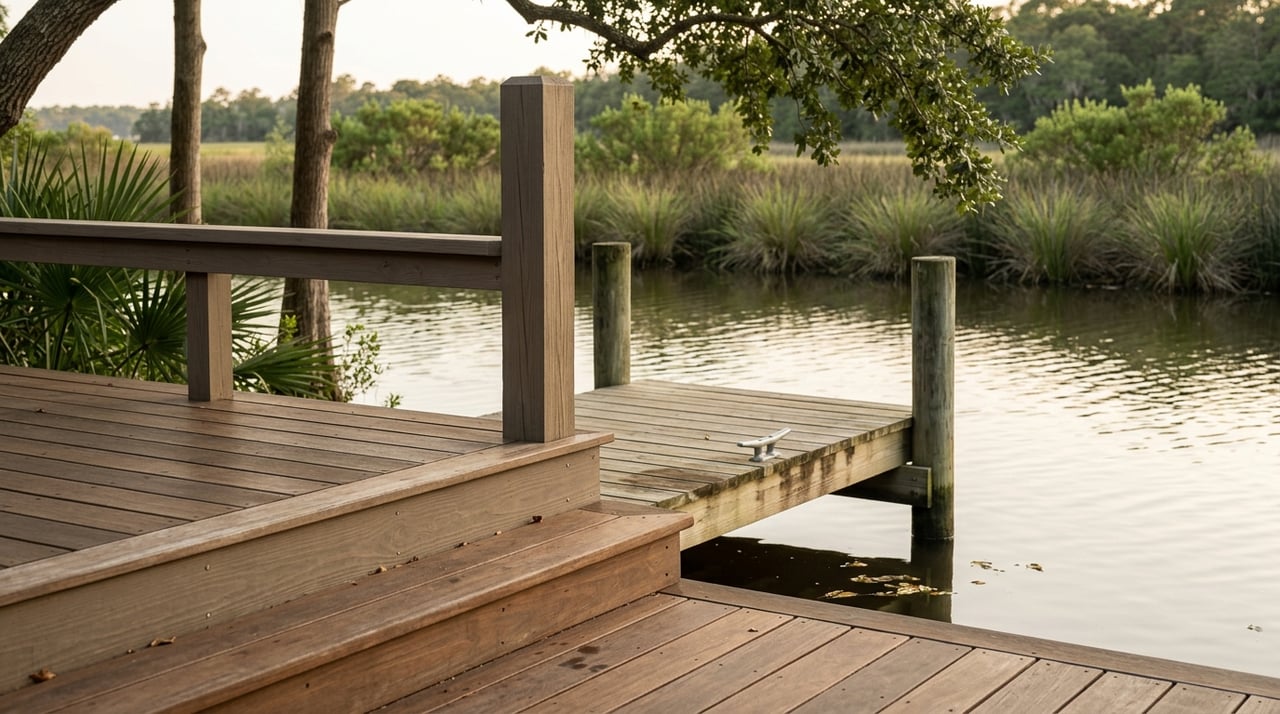
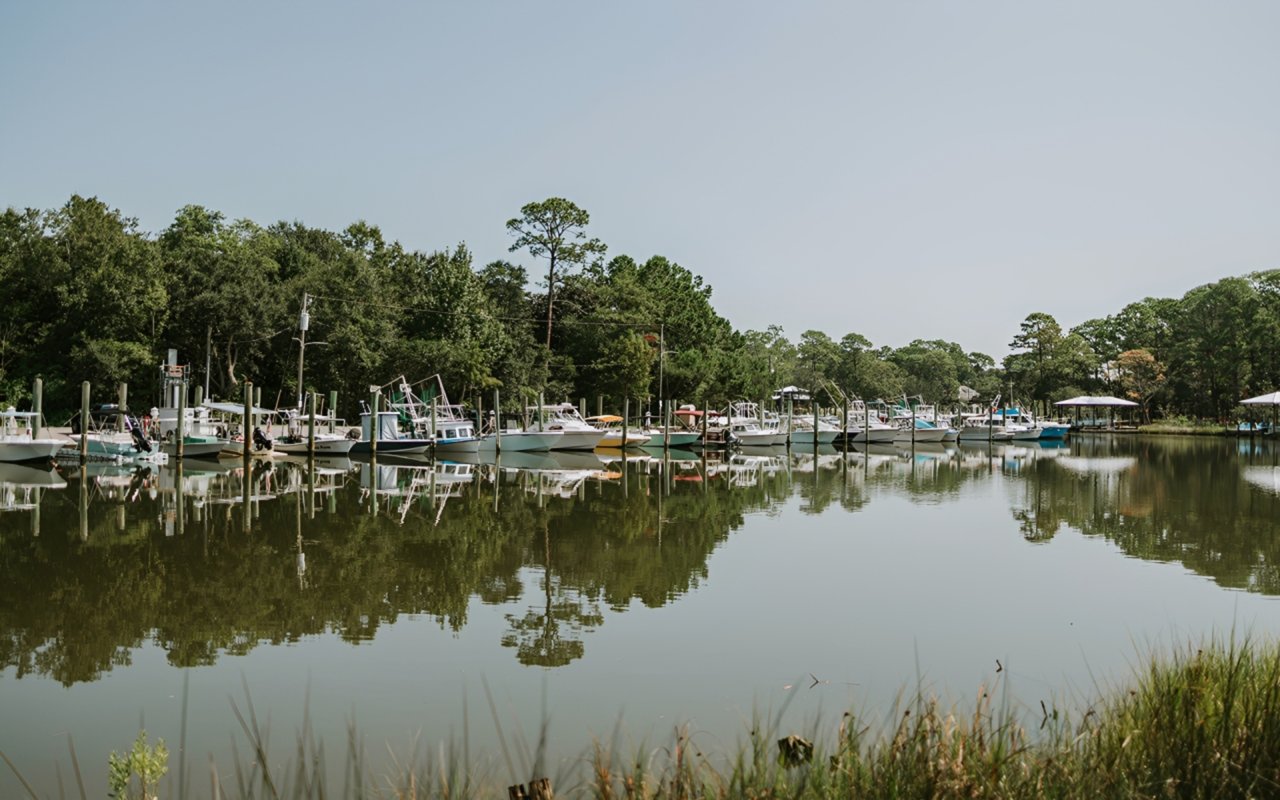
The harbor strengthens that pattern. The city says Pass Christian Harbor includes commercial and pleasure-craft slips, three public boat launches, a public fishing pier, secure gated piers, 24-hour staff, restrooms, and harbor-side restaurants and vendors.
That gives in-town living a different kind of coastal access. Instead of prioritizing the front-row beach setting, you may be prioritizing movement, convenience, and being close to where activity naturally gathers.
What in-town living may offer
- Easier access to downtown shops and restaurants
- Close connection to harbor activity and boating amenities
- A more compact, walkable daily rhythm
- Conventional lot and building patterns in some areas
What the built environment feels like
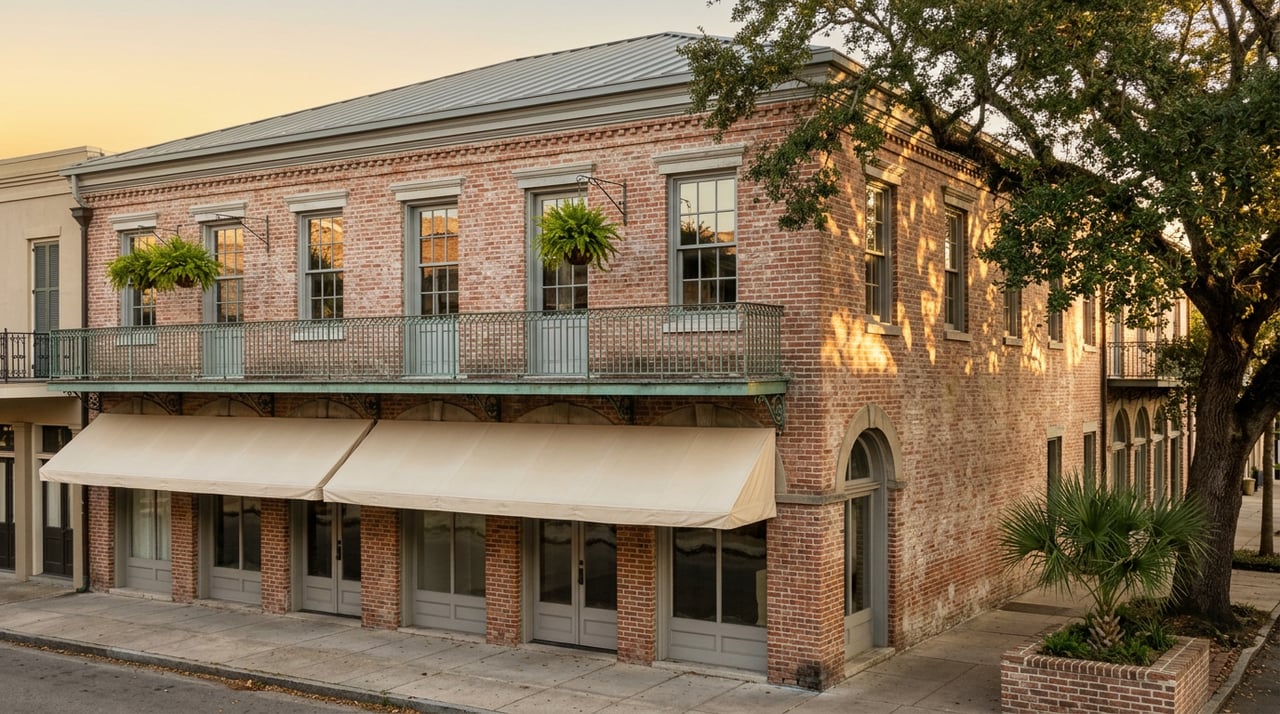
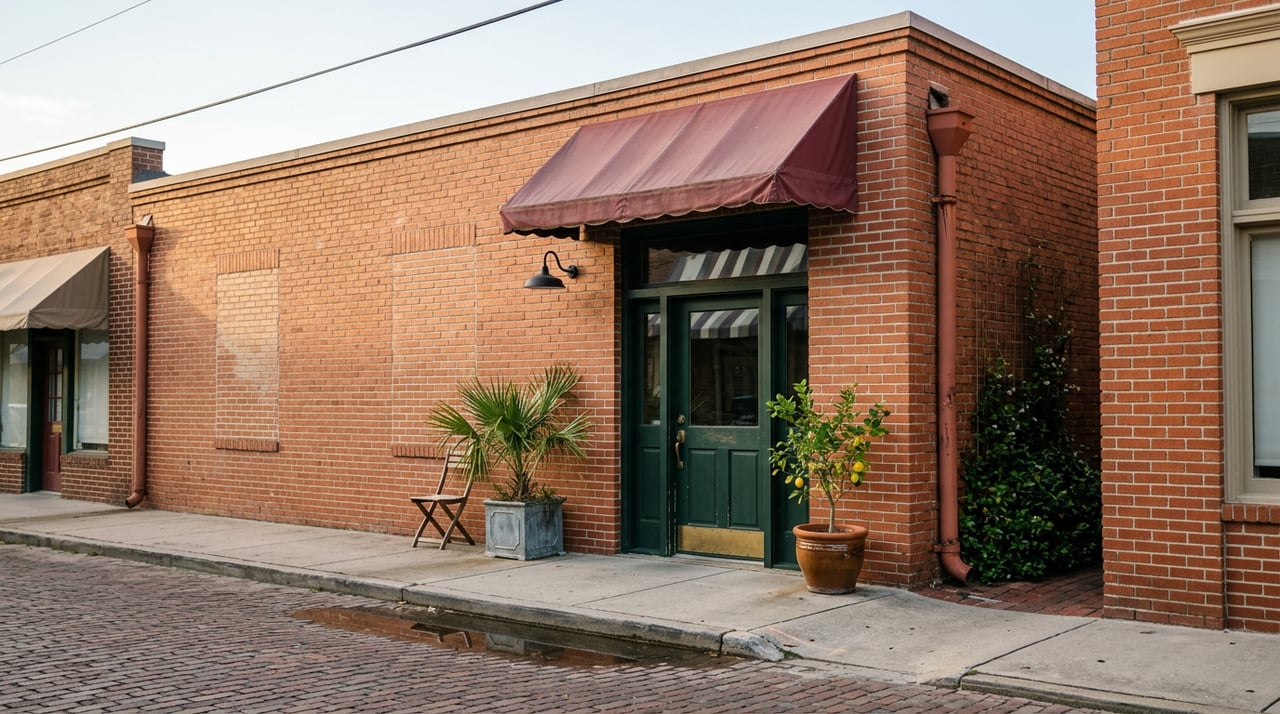
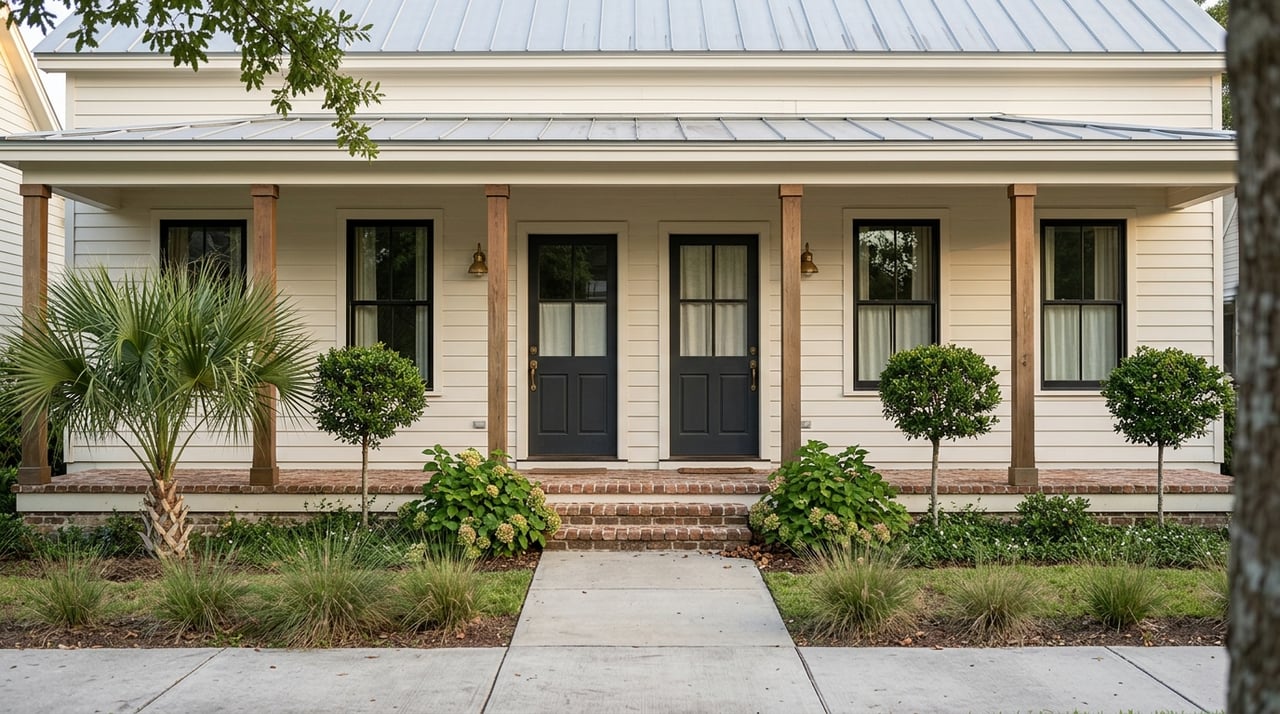
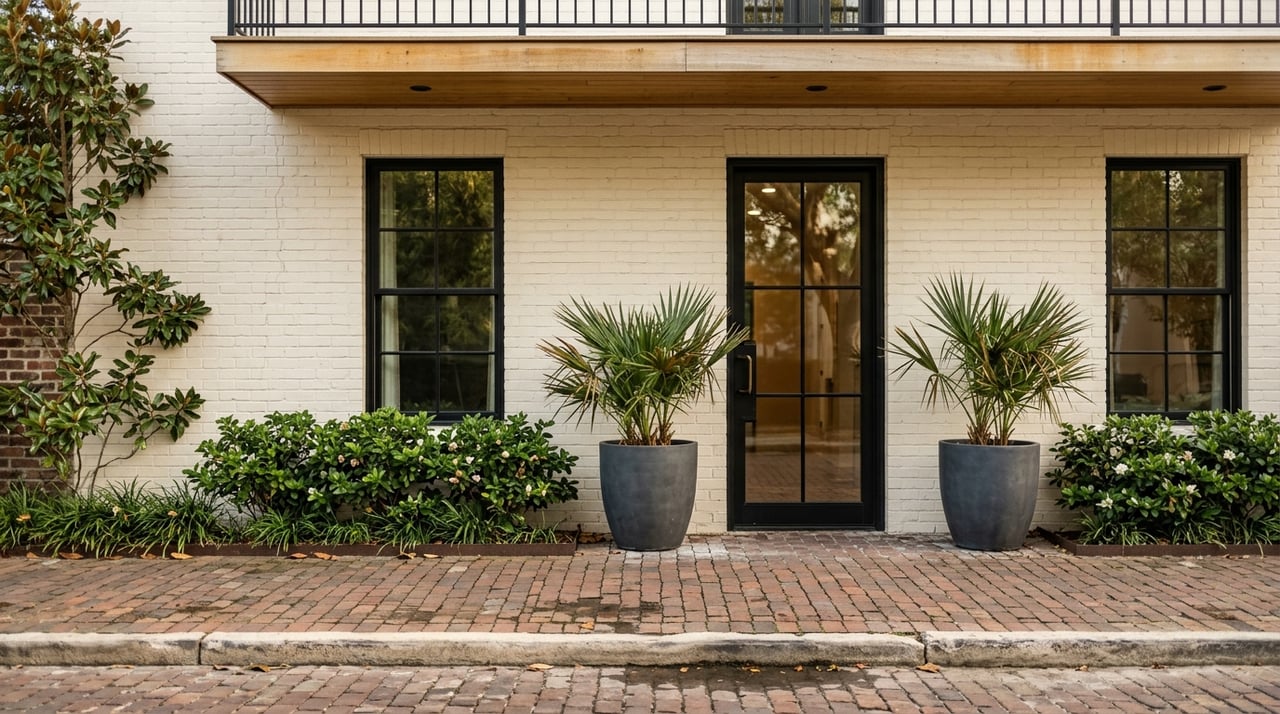
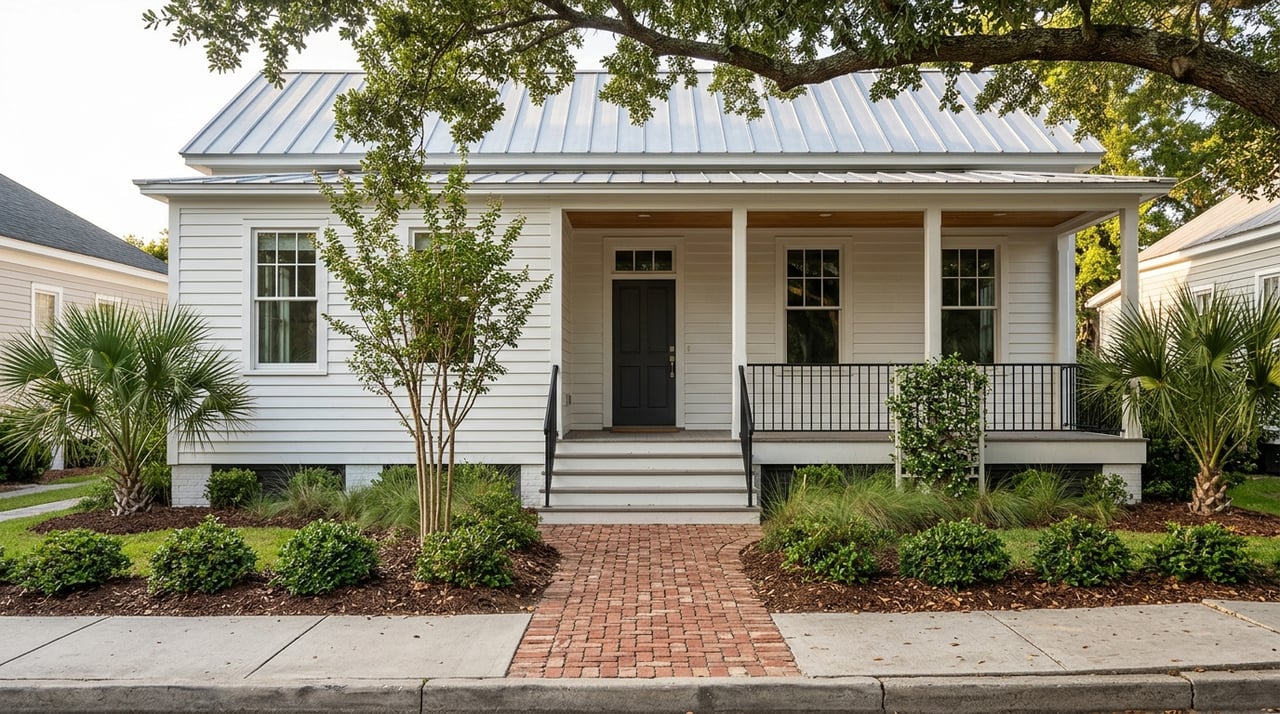
The historic guidelines show a tighter street edge in the business district. Commercial buildings were generally built on grade, often in brick, and historically sat on the front property line. In other parts of the district, buildings were often set back about 15 feet.
That can create a more utilitarian and traditional street pattern than the front-beach side. For some buyers, that is a plus. It can feel easier to navigate day to day, especially if you care more about access and function than waterfront presentation.
Slightly inland neighborhoods offer a middle ground
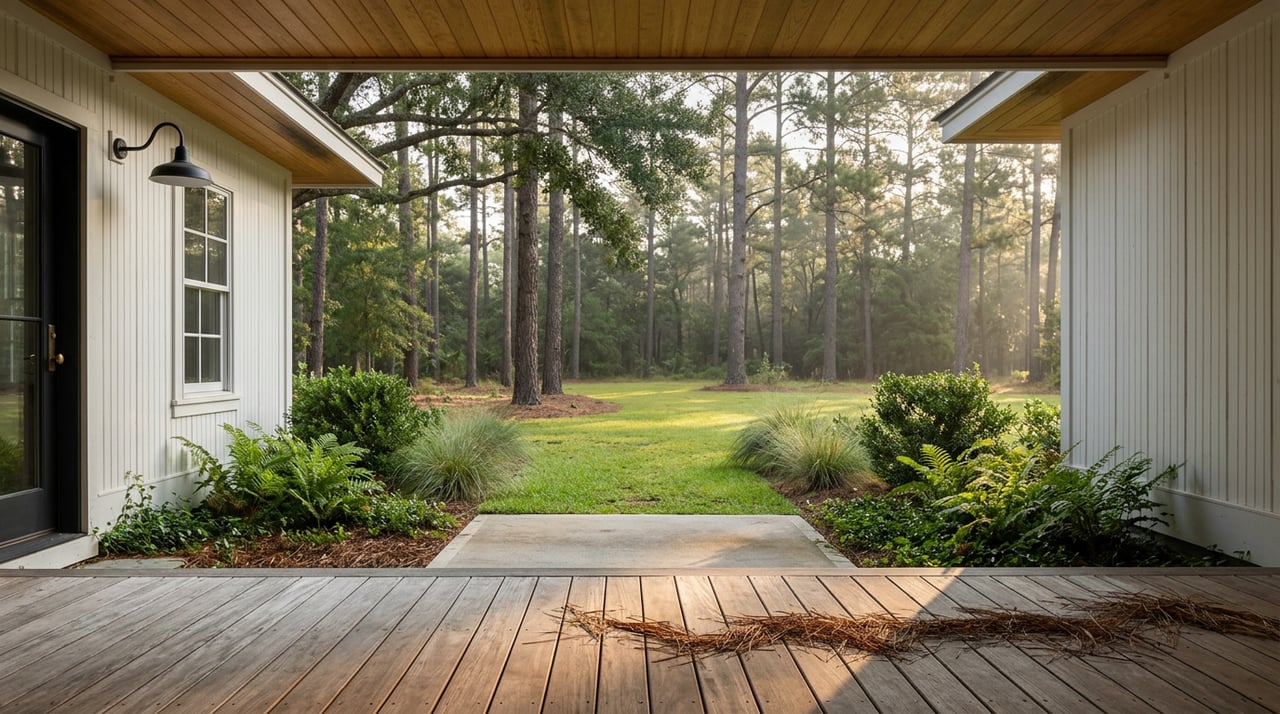
If you are torn between the two, nearby inland blocks may deserve a closer look. Based on the district boundary and setback standards, these areas can offer more predictable yard use, parking, and a more ordinary residential rhythm.
At the same time, they may still keep you close to downtown and the waterfront. In Pass Christian, you do not always need a front-beach address to stay connected to the coastal lifestyle.
For many buyers, this is where the search becomes more strategic. You may find that a home a few blocks inland gives you the routine you want without placing you in the most water-facing or event-heavy part of town.
How residents move between beach and town
One useful local detail can shape how you think about daily life. Under the city’s golf-cart ordinance, U.S. 90 may be crossed only at the signalized Market Street intersection.
That makes Market Street an important hinge between the beach side and the harbor and downtown side. If you are comparing homes on different sides of town, it helps to picture your real movement patterns, not just the map.
Ask yourself a few simple questions:
- Do you want to walk to shops and restaurants more often?
- Do you picture regular harbor use?
- Do you care more about the view from home or the ease of stepping into downtown activity?
- Will your day-to-day routine involve crossing U.S. 90 often?
Historic district rules matter
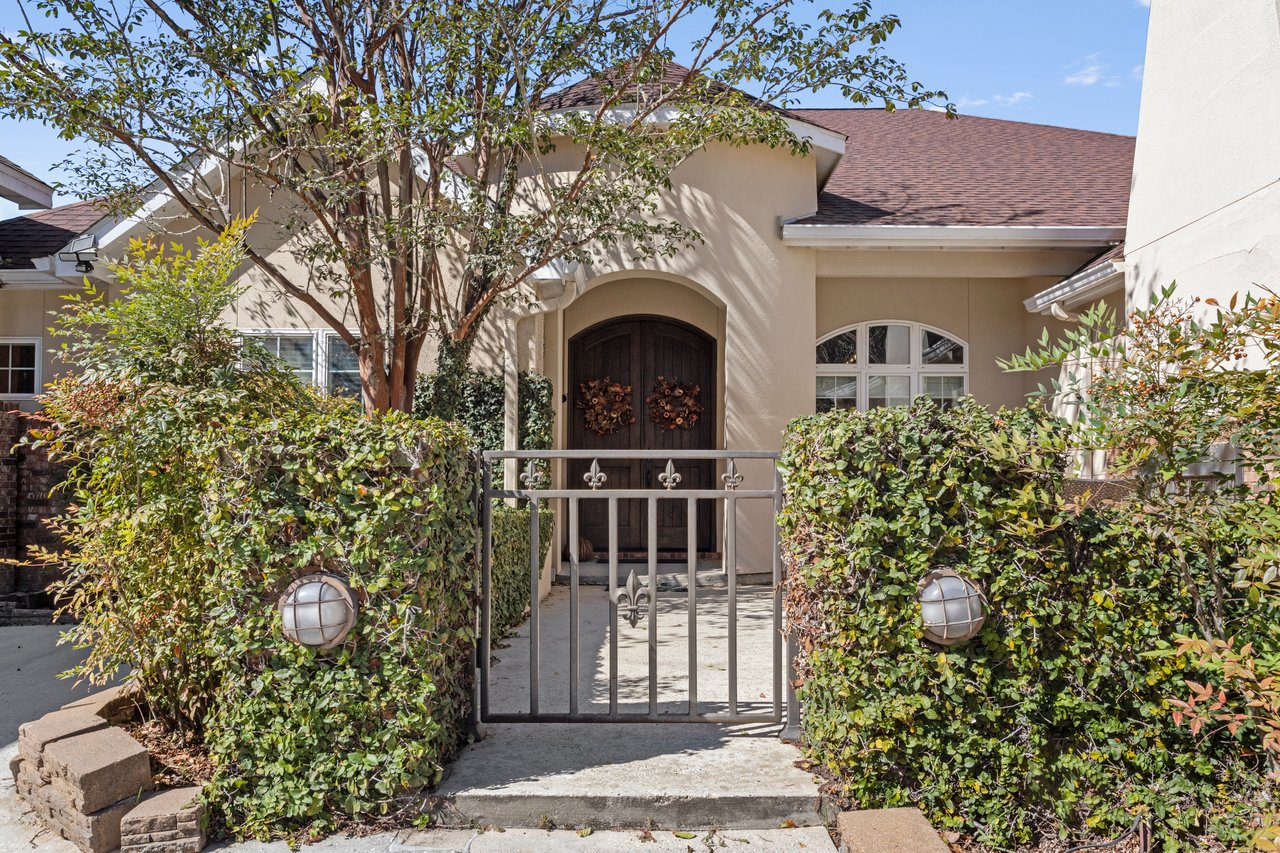
This is one of the biggest practical factors in Pass Christian. If a property is in the historic district, visible exterior work is subject to the city’s Certificate of Appropriateness process.
According to the city, Historic Preservation Commission meetings are held monthly. Applications must be submitted 14 days before the meeting, and the application fee is $54. The review process can apply to new construction, additions, repairs, renovations, roofing, and fencing.
This does not mean you should avoid a historic property. It simply means you should understand the approval path before you buy, especially if you already have exterior updates in mind.
Why parcel verification matters
The historic-district boundary does not cover every property the same way. It runs from East Scenic Drive to West Scenic Drive, is bounded south by U.S. Highway 90, and generally stops north of Second Street except for a few non-contiguous parcels.
That means exact parcel verification is more reliable than broad labels like front beach or in town. A property that seems obviously waterfront-oriented may not fall exactly where you assume, and an in-town property may still share many of the same location benefits.
Flood review is part of the decision
The city also posts a Flood Ordinance and Floodplain Development Permit. The permit application states that work in a designated flood hazard area must comply with the city flood ordinance along with other applicable rules.
For buyers, the takeaway is simple. If you are leaning toward a waterfront-focused parcel, pay close attention to elevation, scope of work, and the order of approvals for future projects.
This is another reason a strategy-first search matters in Pass Christian. The right home is not just about charm or convenience. It is also about understanding how ownership will work over time.
Which option fits your goals?
The front-beach corridor tends to fit buyers who prioritize historic coastal character, porch living, and direct waterfront atmosphere. In-town tends to fit buyers who want walkability to the harbor, shops, and events, along with a more compact daily routine.
Slightly inland neighborhoods can suit buyers who want more conventional lot utility and a bit more separation from the most active waterfront and event-focused blocks. None of these options is automatically better. The right fit depends on how you want to live, move, and maintain the property.
A smart search in Pass Christian usually starts with lifestyle, then narrows by parcel details, district rules, and long-term ownership plans. If you want help comparing block-by-block tradeoffs in Pass Christian, Rain Residential brings a strategy-first Gulf Coast perspective to the search.
FAQs
What is considered front-beach living in Pass Christian?
- In this comparison, front-beach living refers to the waterfront corridor along Scenic Drive and West Beach Boulevard.
What is considered in-town living in Pass Christian?
- In-town living refers to the traditional downtown and business-district area around Market Street, Davis Avenue, adjacent streets, and nearby inland neighborhoods.
Are all Scenic Drive properties in Pass Christian inside the historic district?
- Often yes, but not always. Exact parcel boundaries control, so you should verify the specific property rather than rely on a general label.
Do Pass Christian historic district homes require approval for exterior work?
- Yes, if the property is inside the historic district, visible exterior work is subject to the city’s Certificate of Appropriateness process.
Can you use a golf cart between the beach side and downtown in Pass Christian?
- In limited areas, yes, but the city restricts crossing U.S. 90 to the signalized Market Street intersection.
Do flood rules matter when buying in Pass Christian?
- Yes, if the parcel is in a designated flood hazard area, the city requires floodplain development review and compliance with the local flood ordinance.