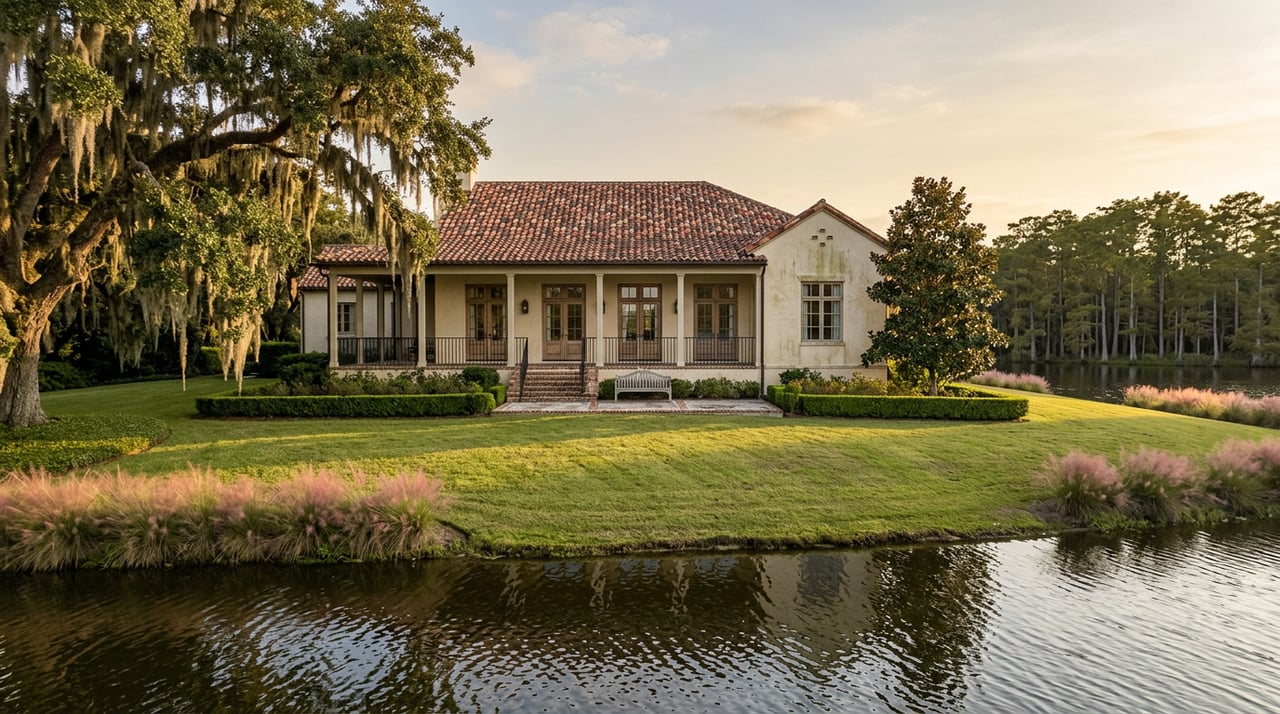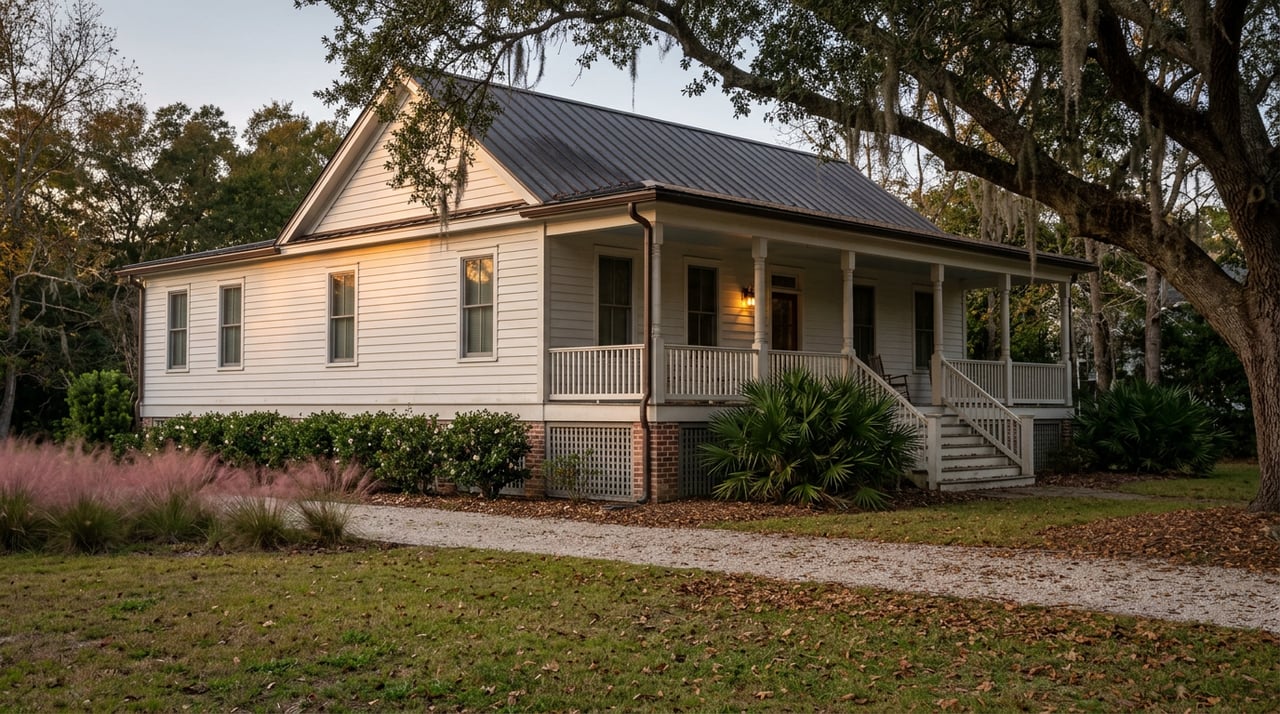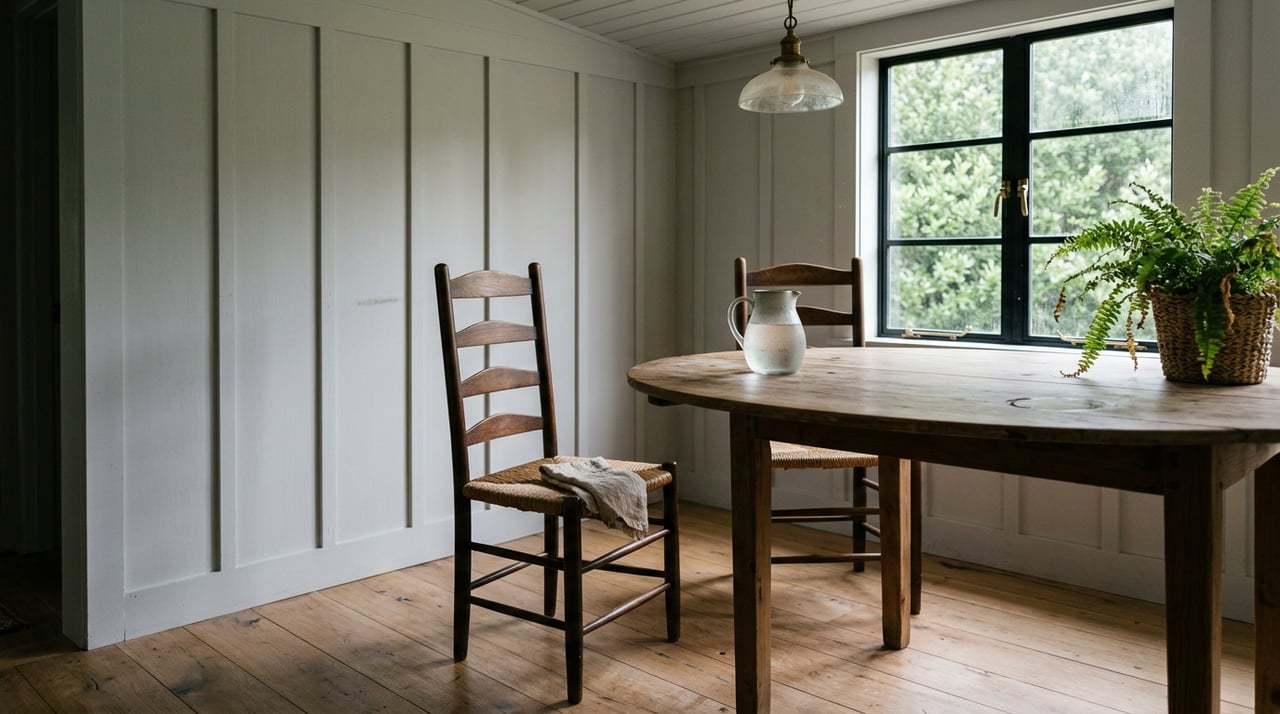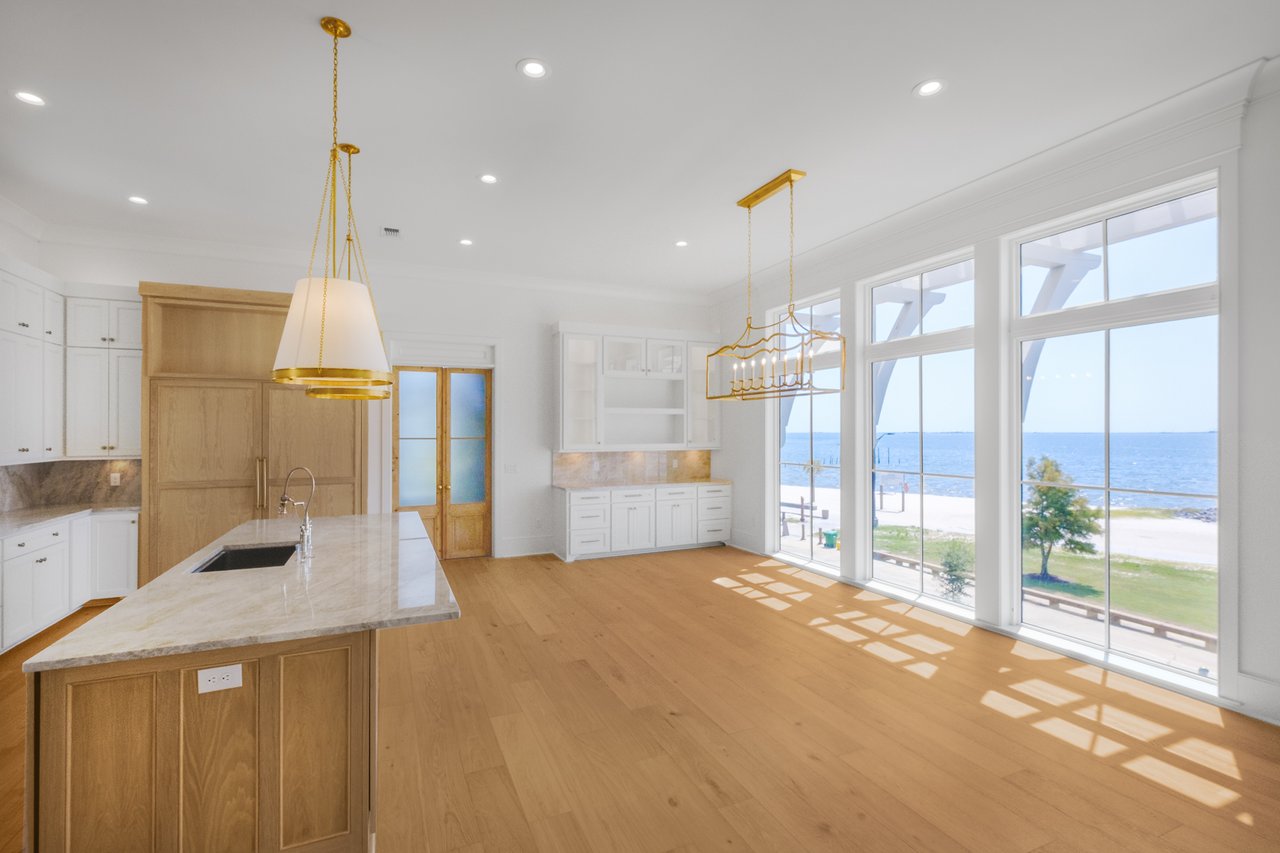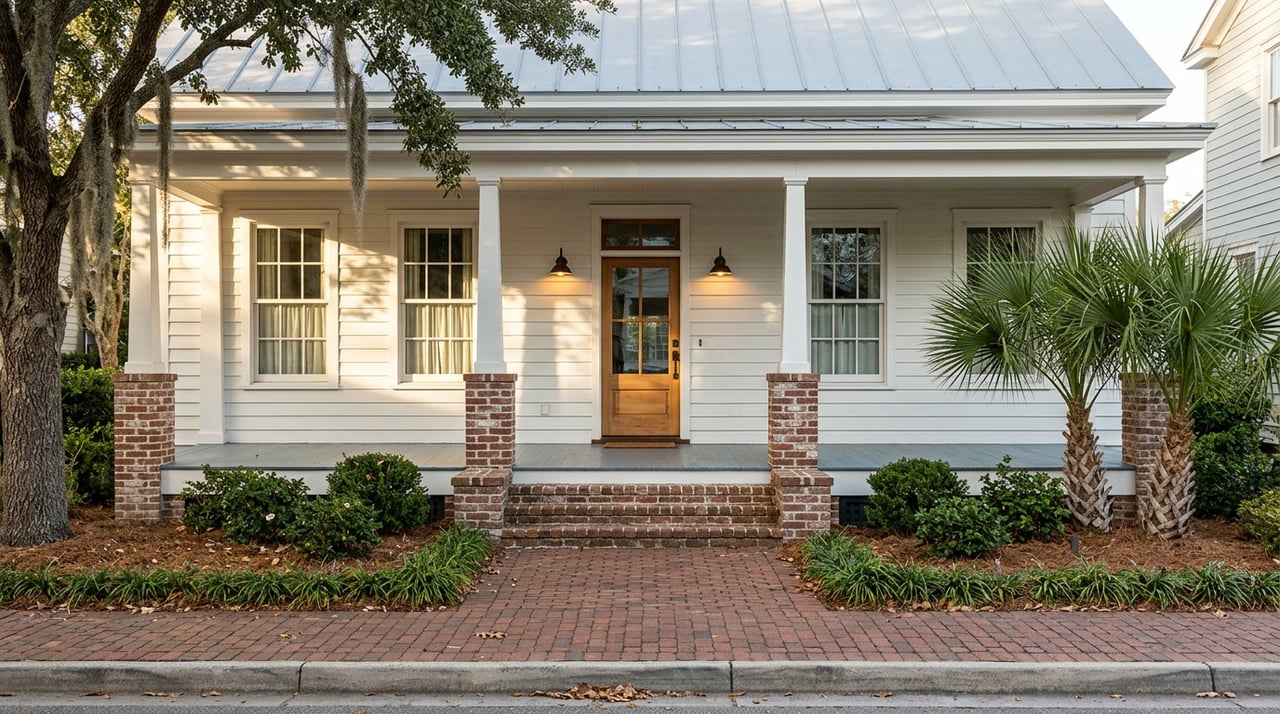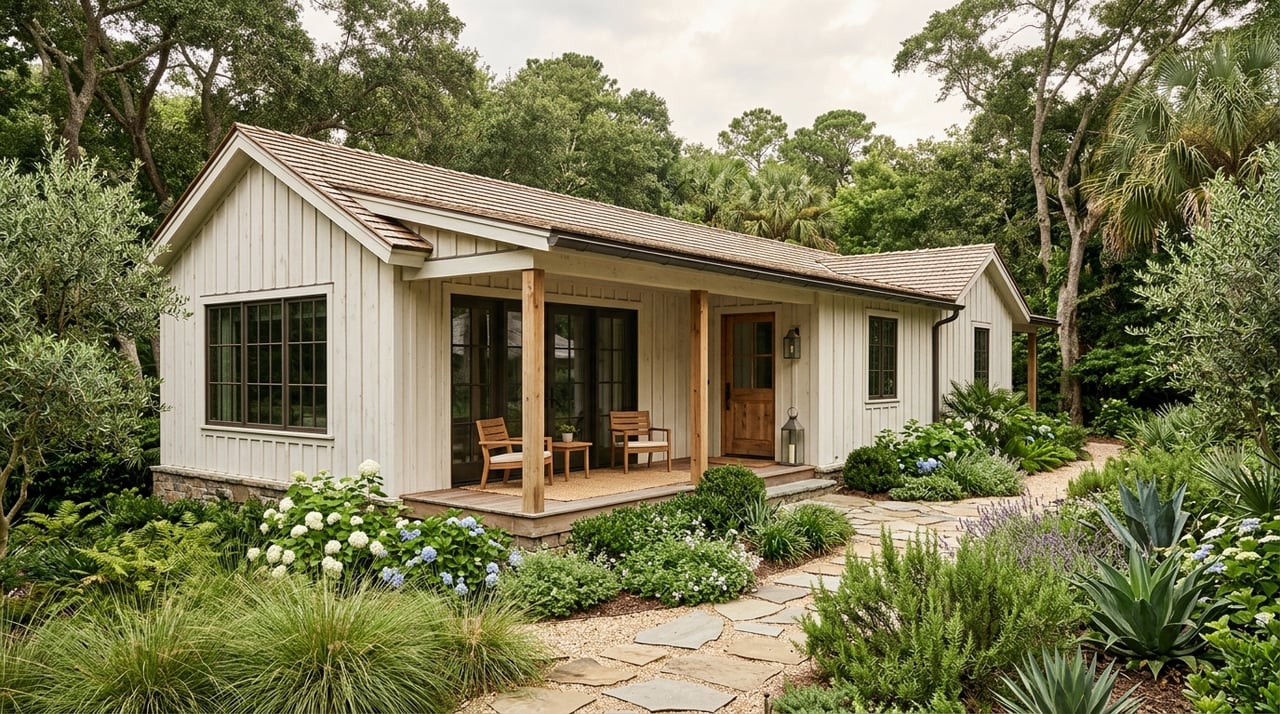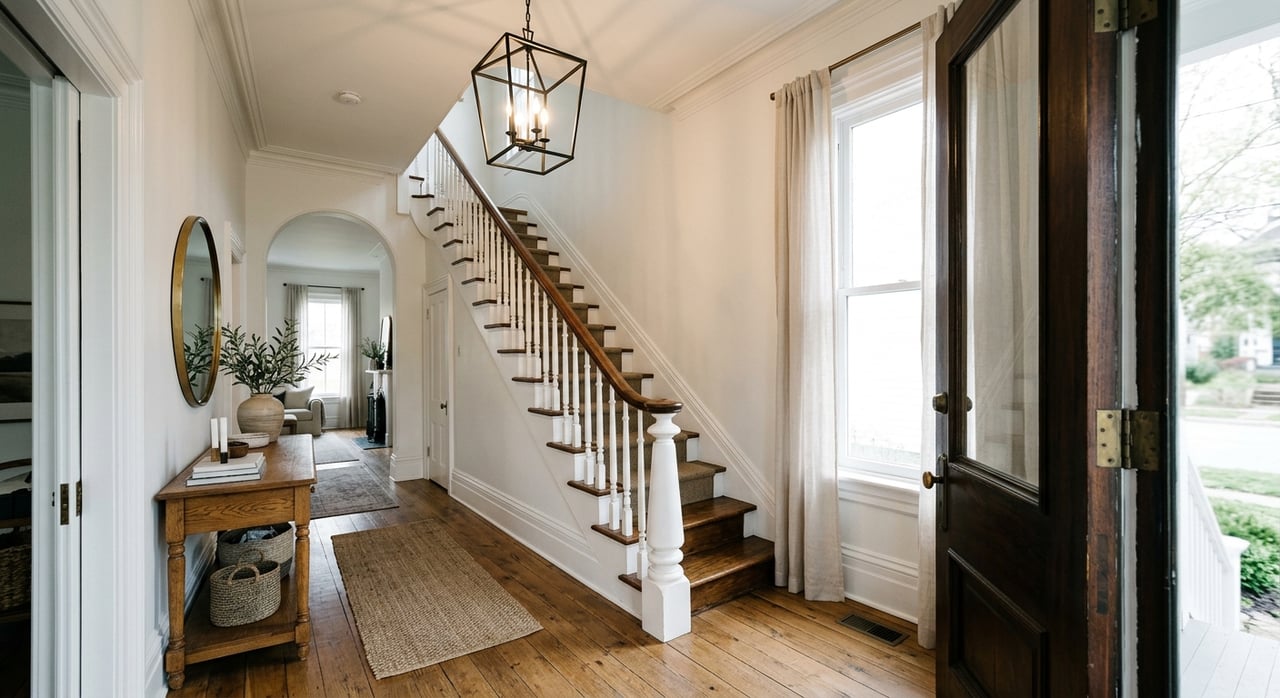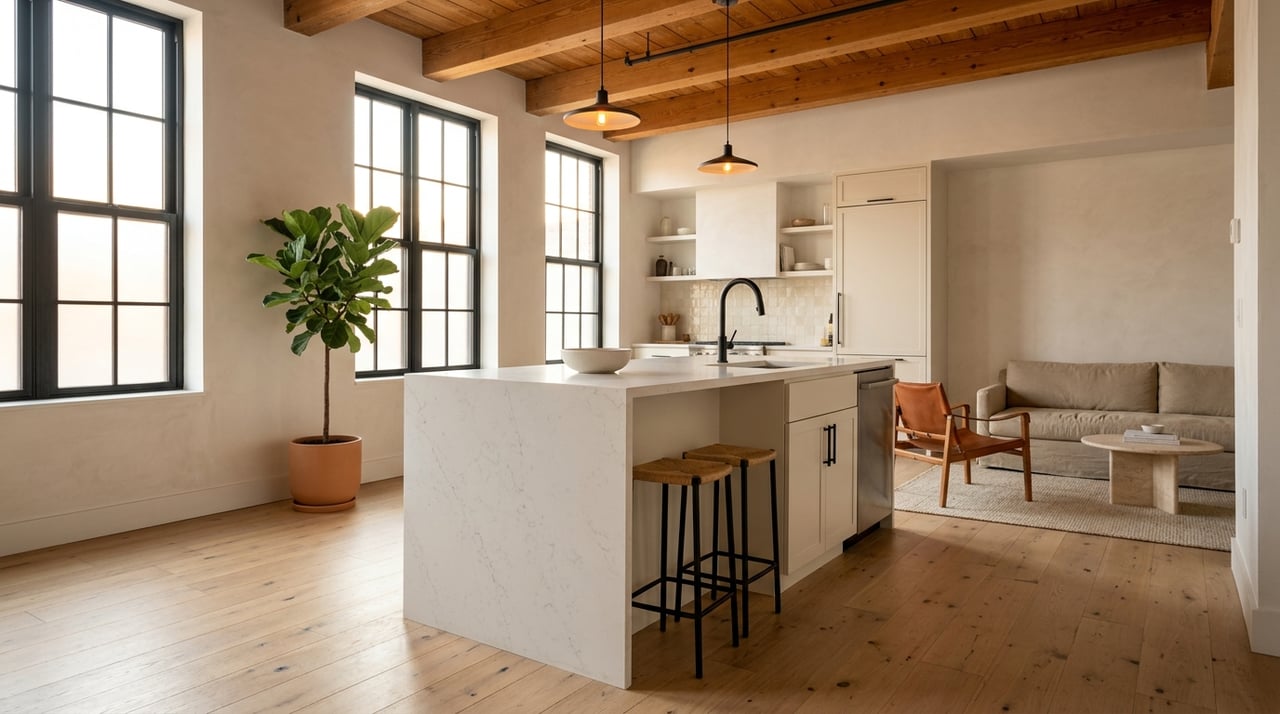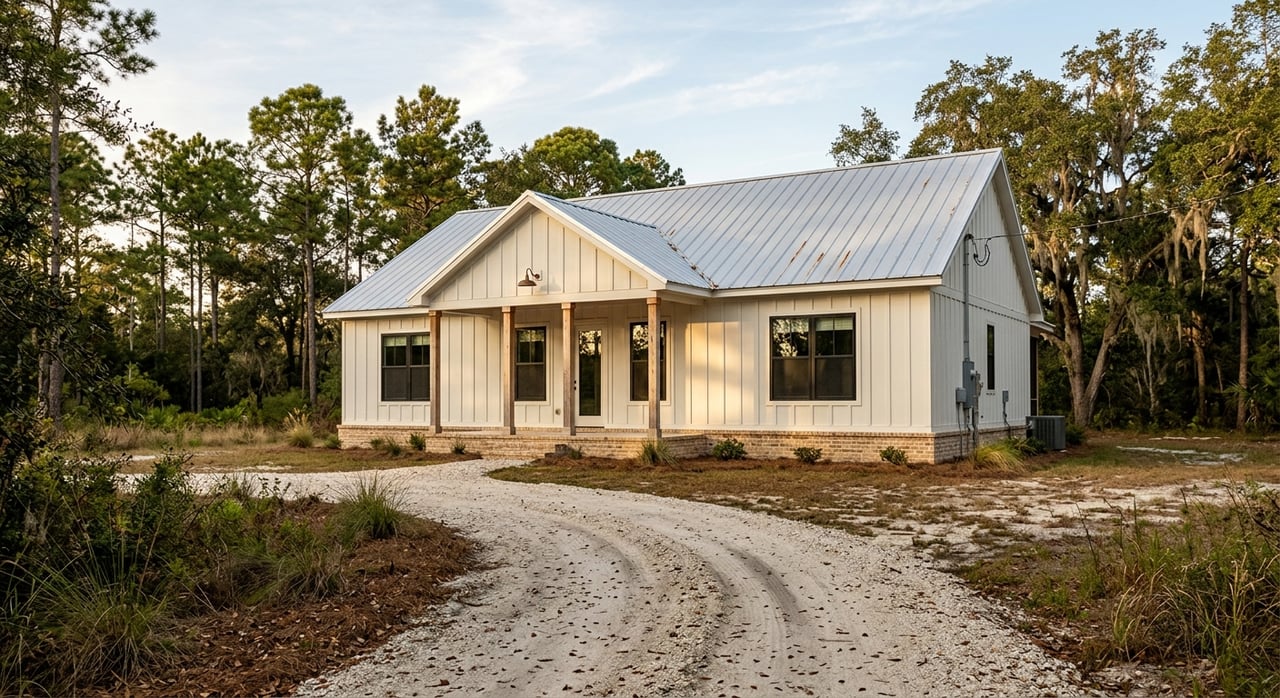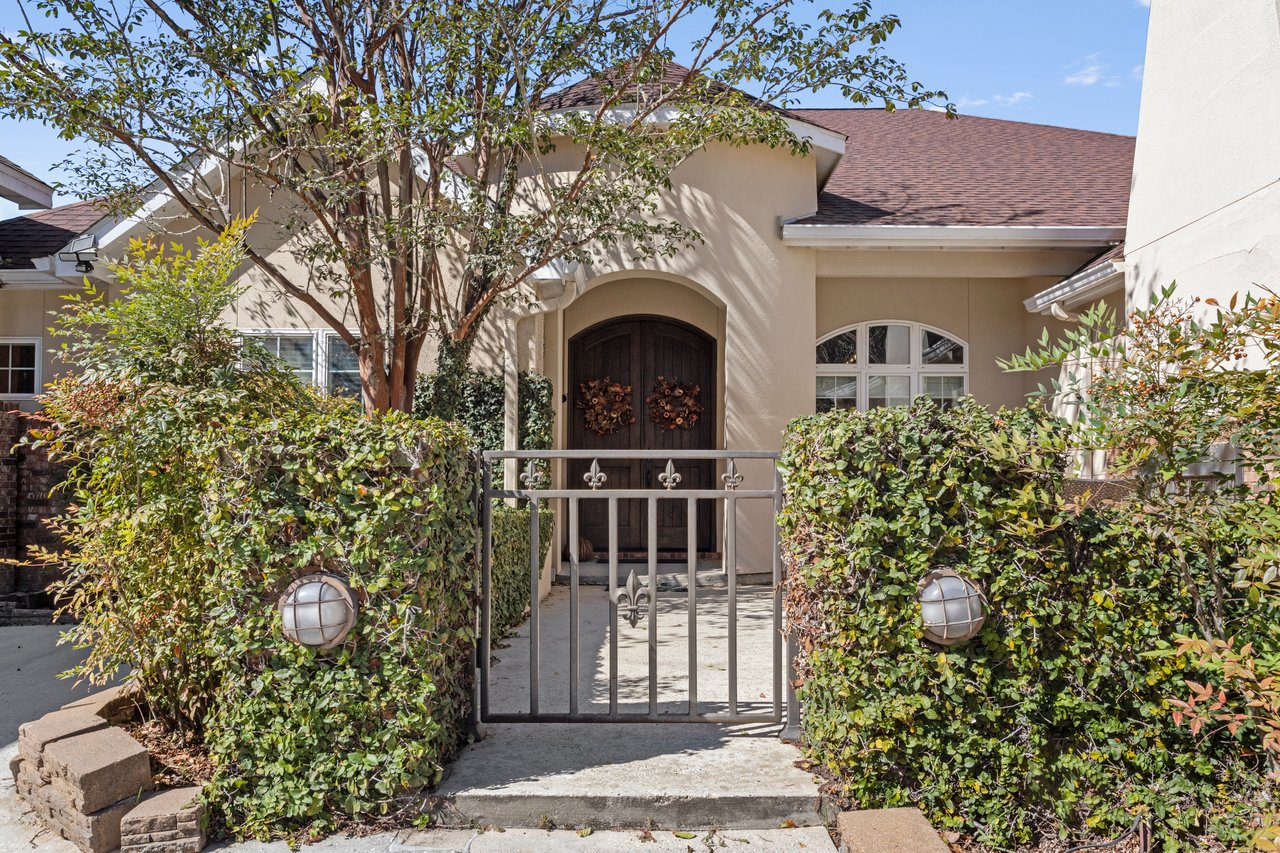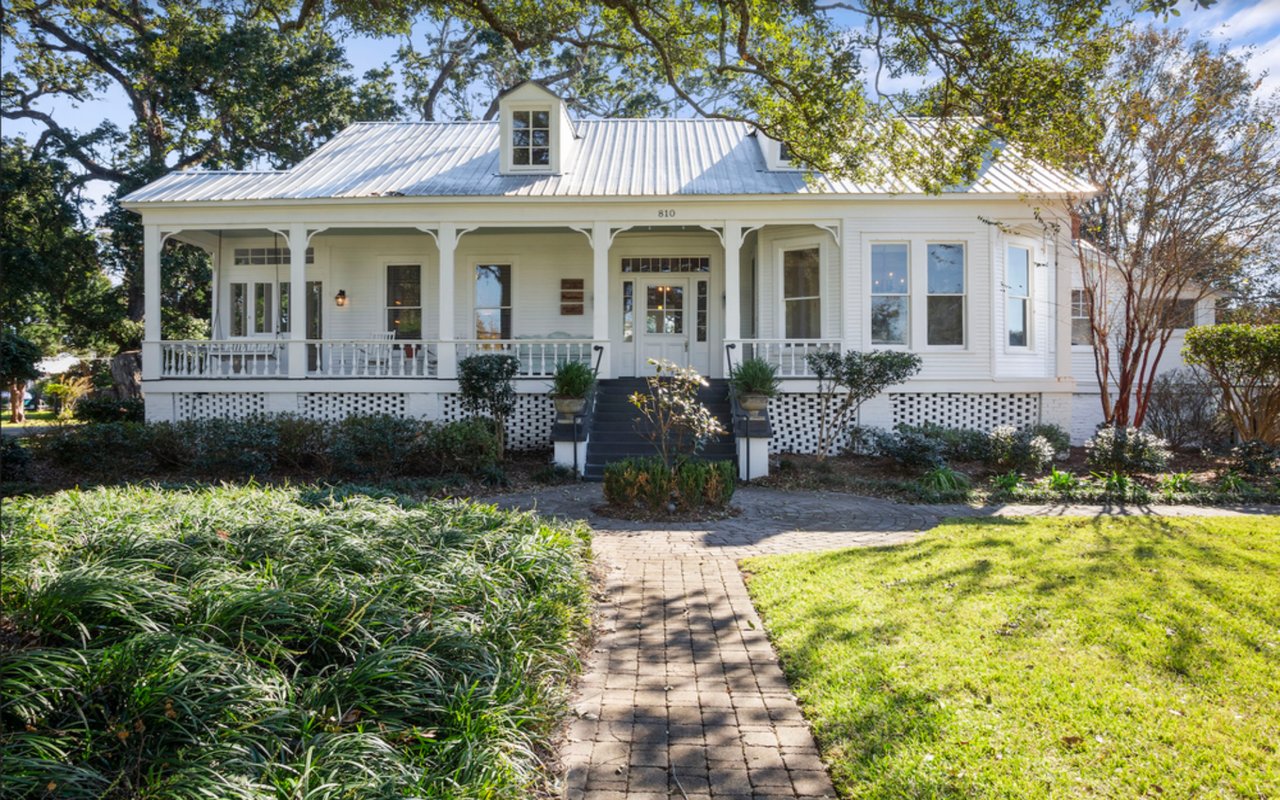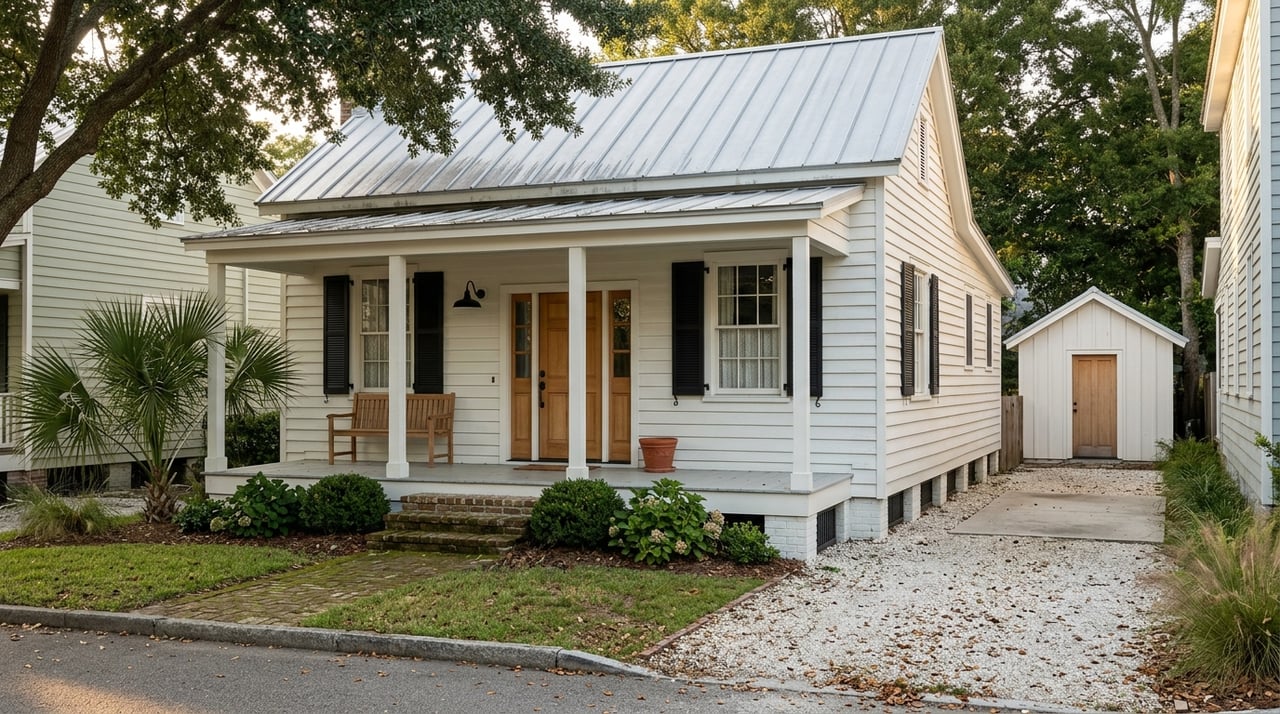
If you have ever pictured a coastal cottage where you can walk to dinner, hear live music nearby, and spend the morning by the water, Old Town Bay St. Louis likely feels familiar already. It offers a mix of historic character, waterfront access, and a compact, social way of living that appeals to both full-time owners and second-home buyers. The key is understanding what daily ownership actually looks like here, from parking and preservation rules to flood planning and guest-use regulations. Let’s dive in.
Why Old Town Feels Different
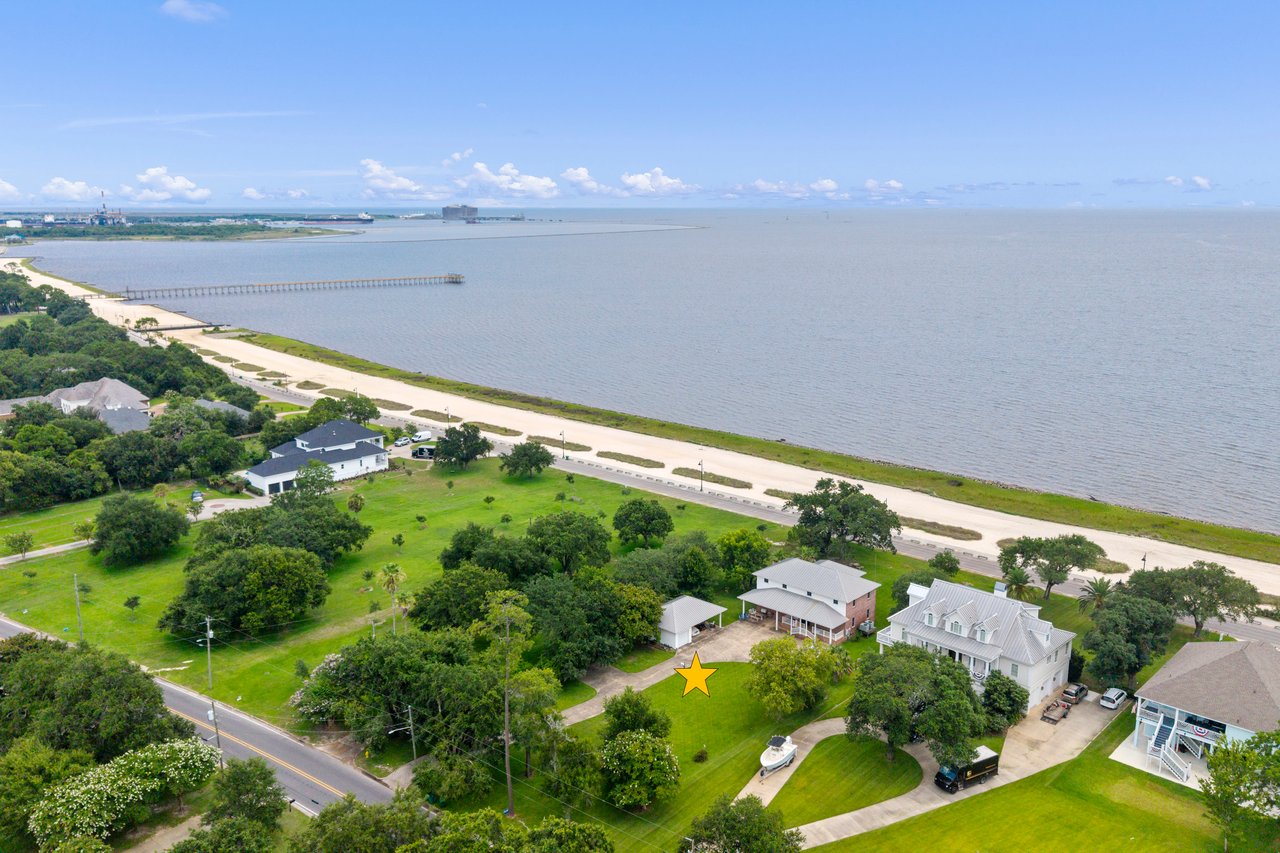
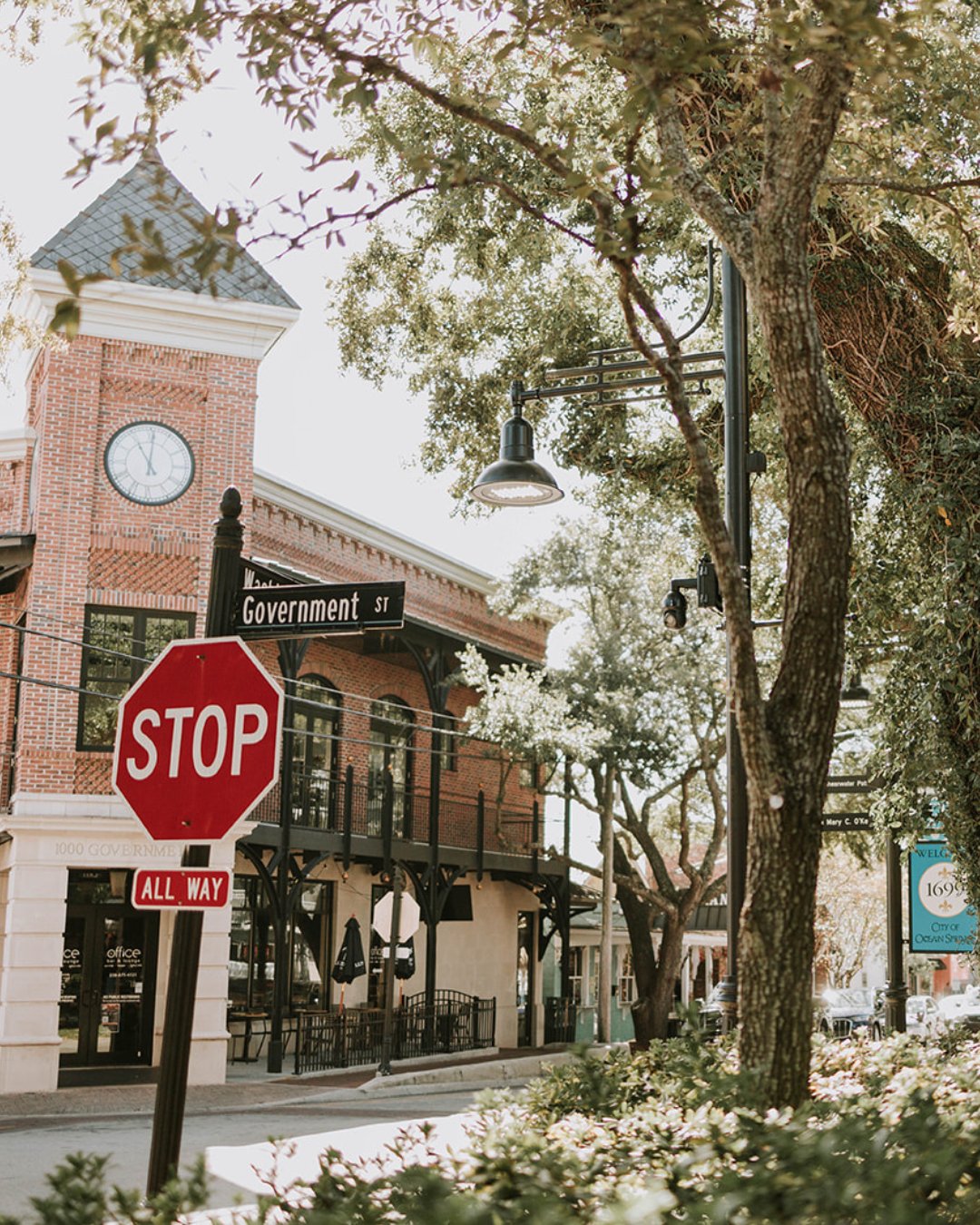
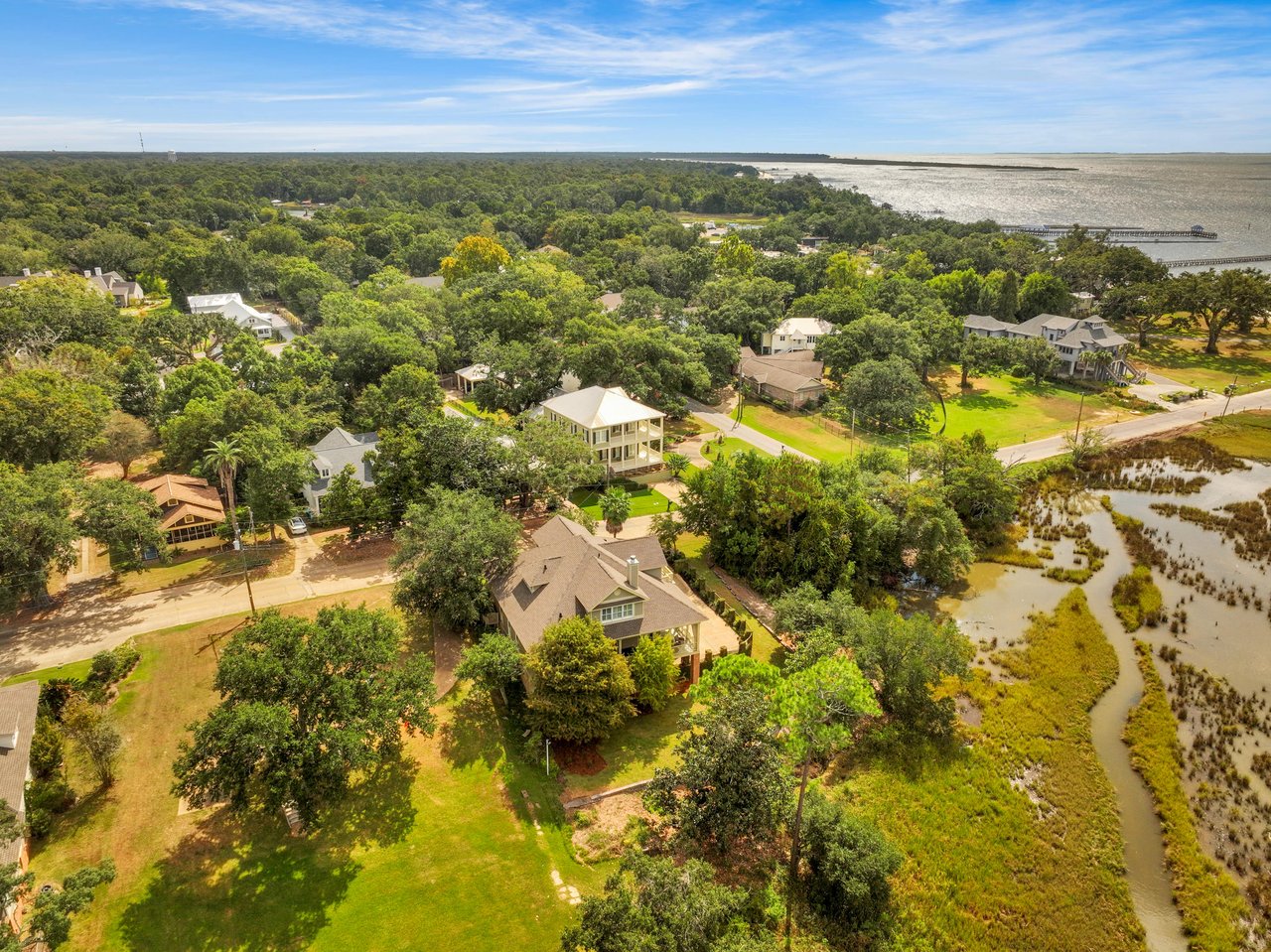
Old Town Bay St. Louis sits in the city’s historic waterfront core, where Main Street meets Beach Boulevard. The city describes this area as being just steps from the harbor, food, shops, music, and accommodations, which helps explain why so many buyers are drawn to cottages here.
This is not a tucked-away suburban neighborhood built around large lots and private amenities. It is a place where downtown, the waterfront, and historic neighborhoods connect in a very intentional way. Bay St. Louis 2045 planning materials show the city is actively balancing full-time housing, second homes, and short-term rentals while preserving the character of downtown and the surrounding historic areas.
For you as an owner, that means the lifestyle is part of the value. Walkability, access to local businesses, and a close relationship to the water are not side benefits here. They are central to the ownership experience.
What Cottage Ownership Looks Like
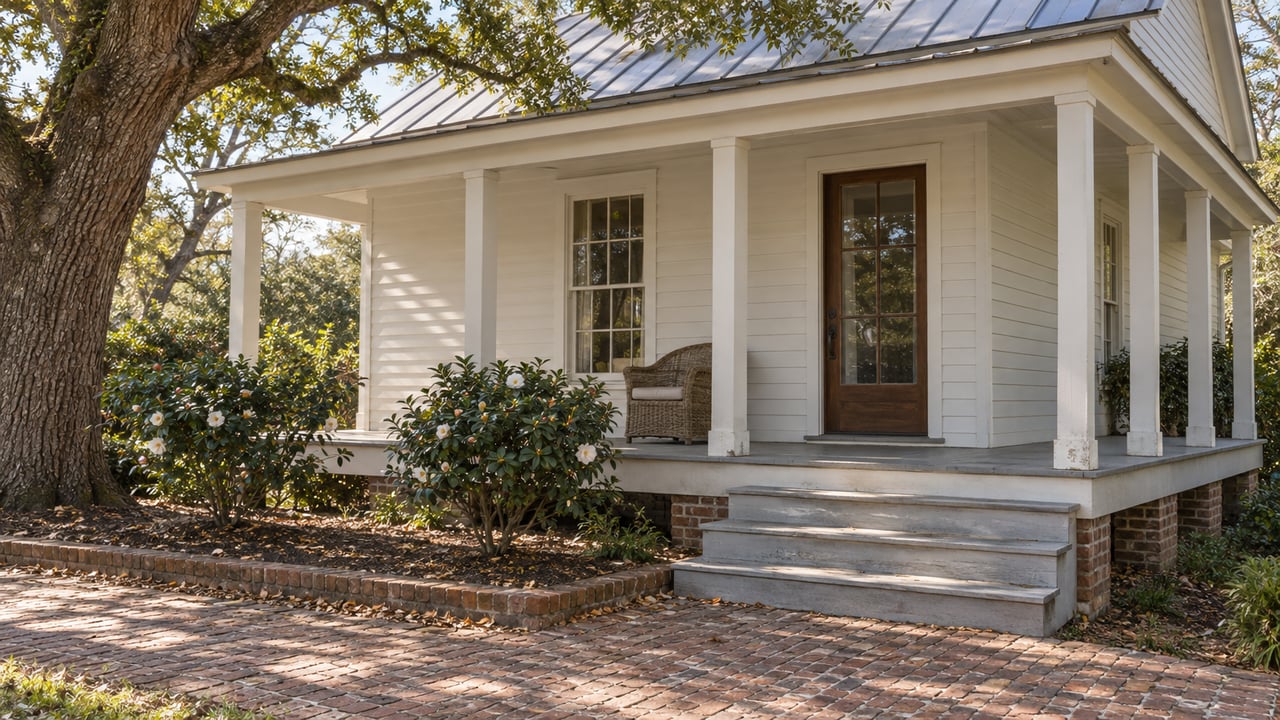
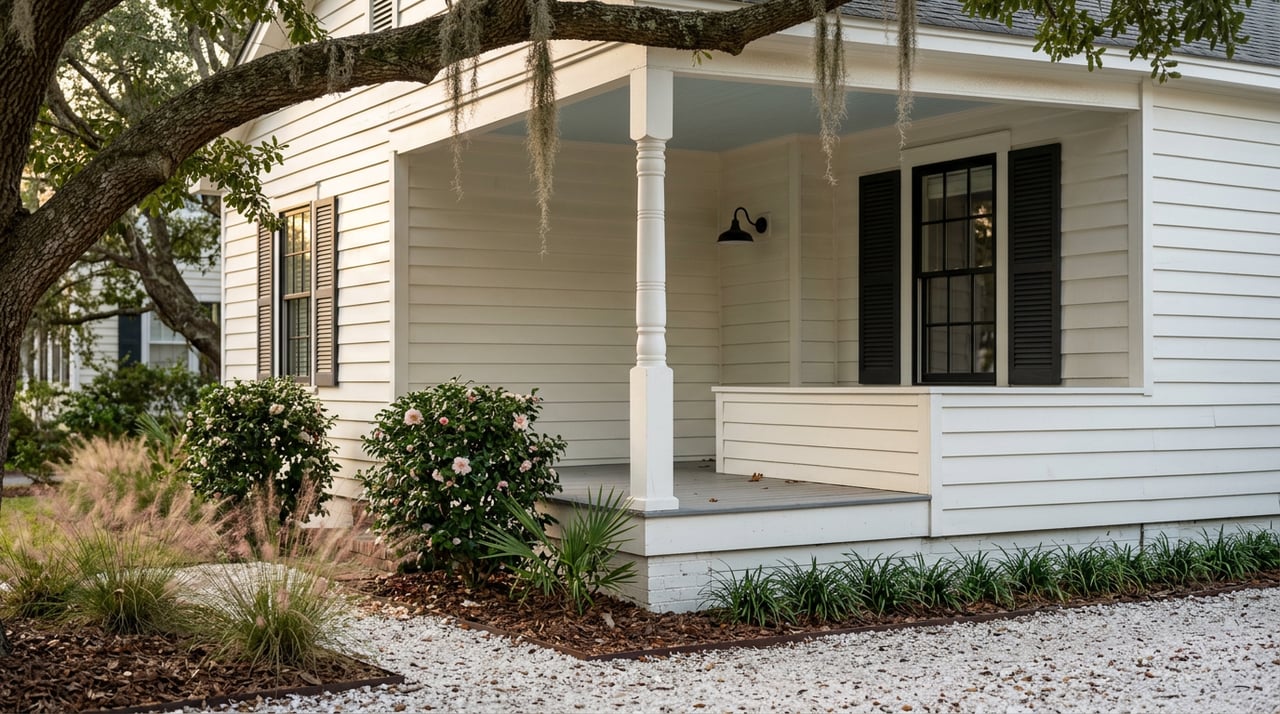
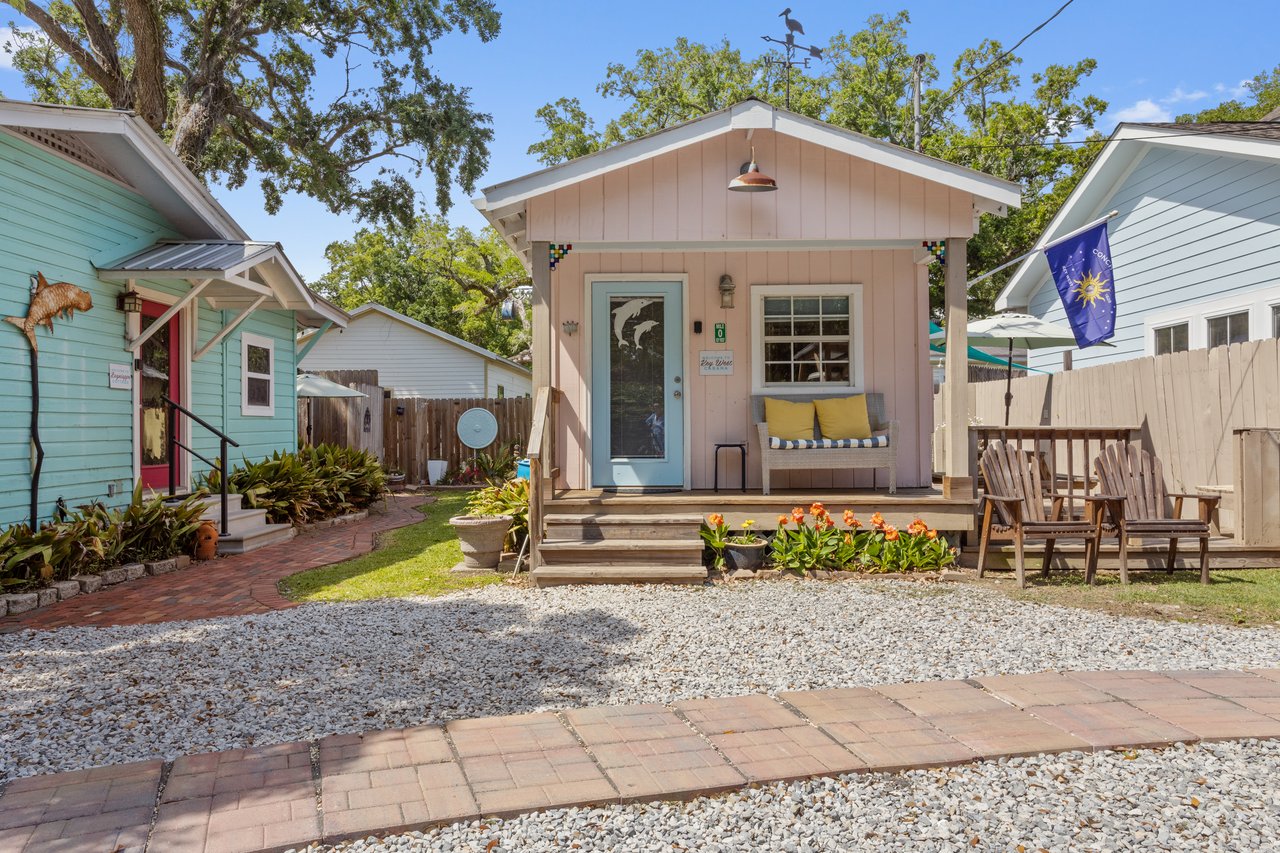
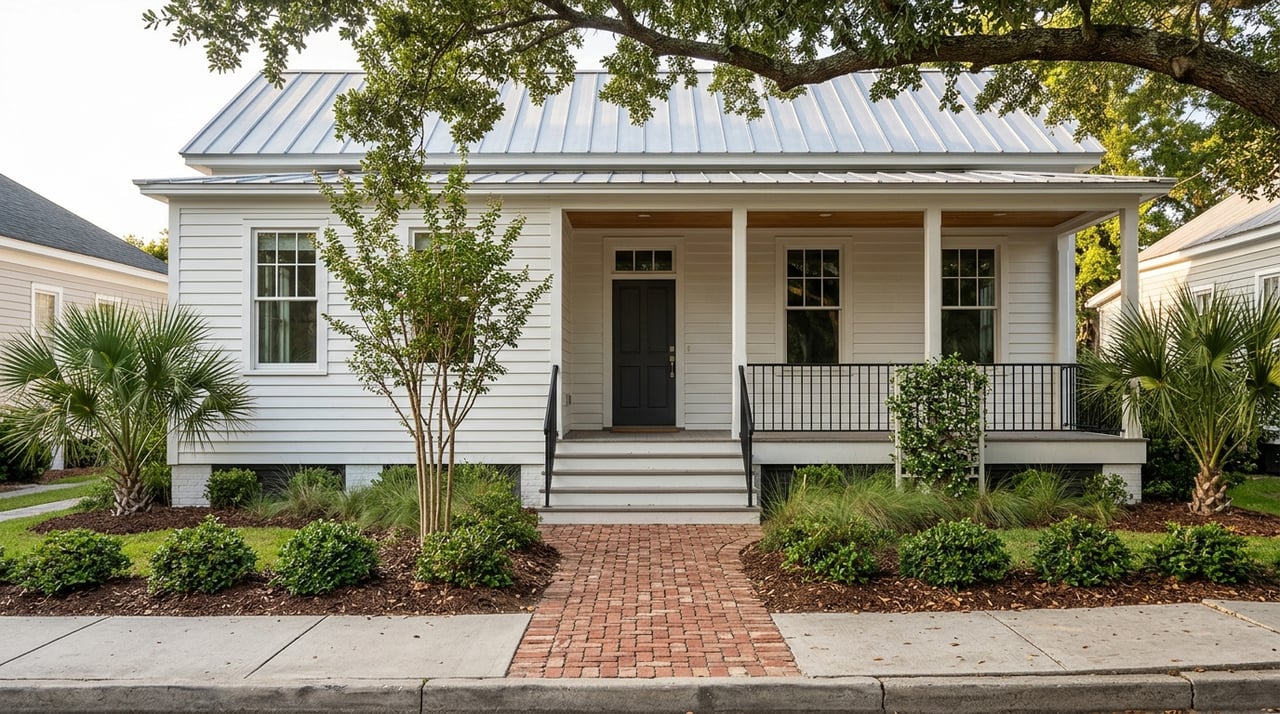
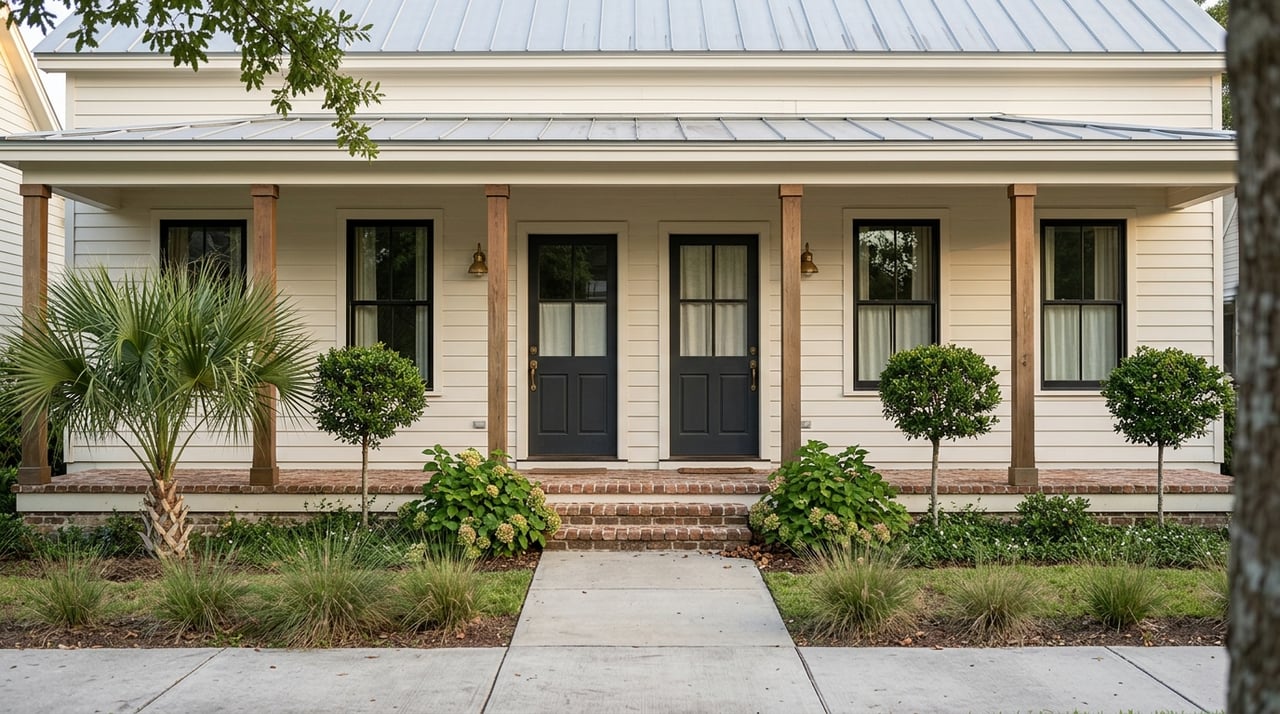
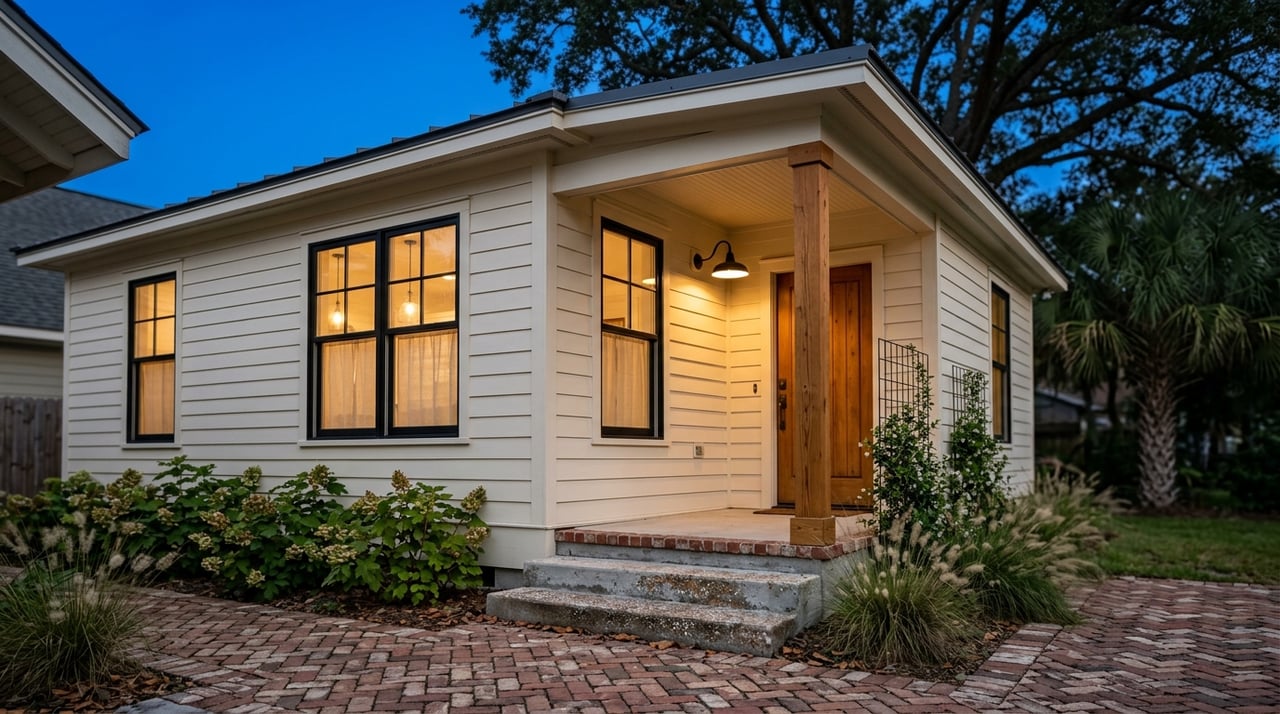
In Old Town, many cottages sit on compact lots with modest setbacks rather than wide yards. Bay St. Louis lists a 25-foot front setback, 8-foot side setbacks, and a 20-foot rear setback for typical single-family properties, with some variation for canal lots.
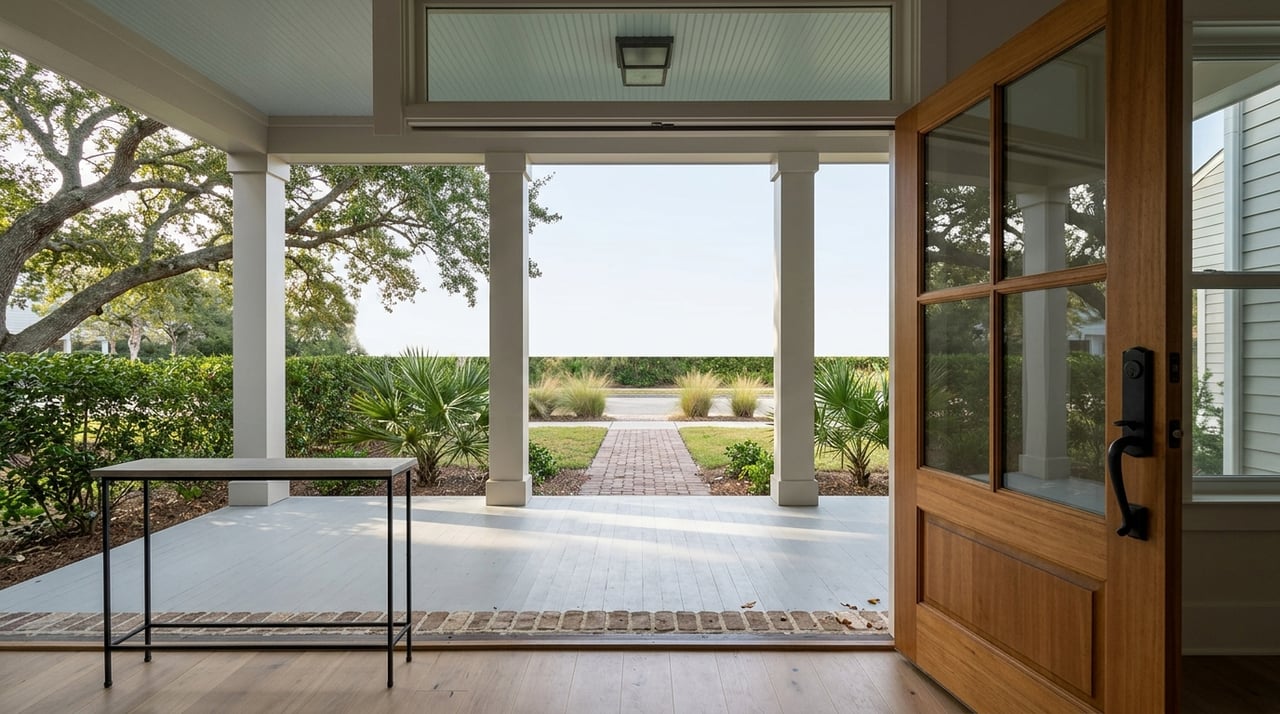
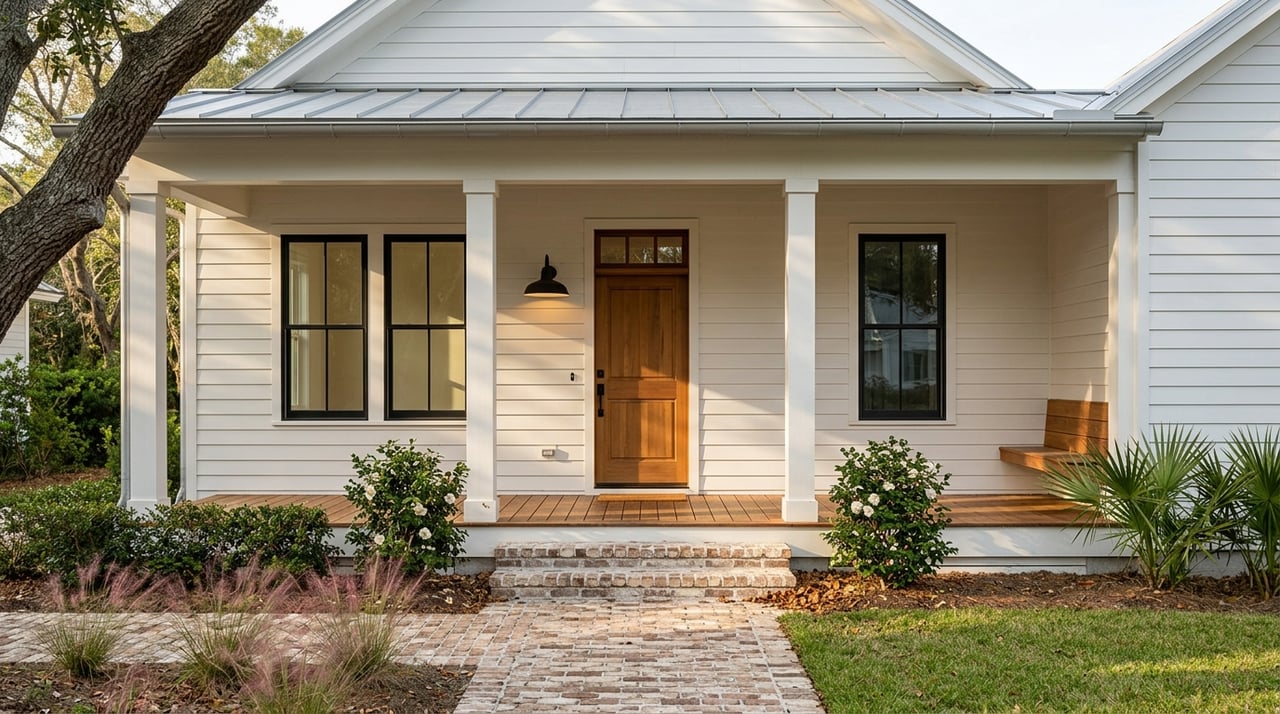
That matters because a cottage here often lives smaller outside than a suburban home would. You may find yourself thinking more about porch use, patio layout, fencing, and curb appeal than about adding a large garage or creating deep backyard storage.
This compact pattern is part of what gives Old Town its charm. Homes tend to feel connected to the street and neighborhood, which supports the pedestrian-friendly character buyers often want in this part of town.
Historic Character Comes With Review
If you are drawn to Old Town for its charm, it is important to know that preserving that character is a real priority for the city. The Historic Commission exists to protect Bay St. Louis’s historical and architectural identity and to review development for appropriateness.
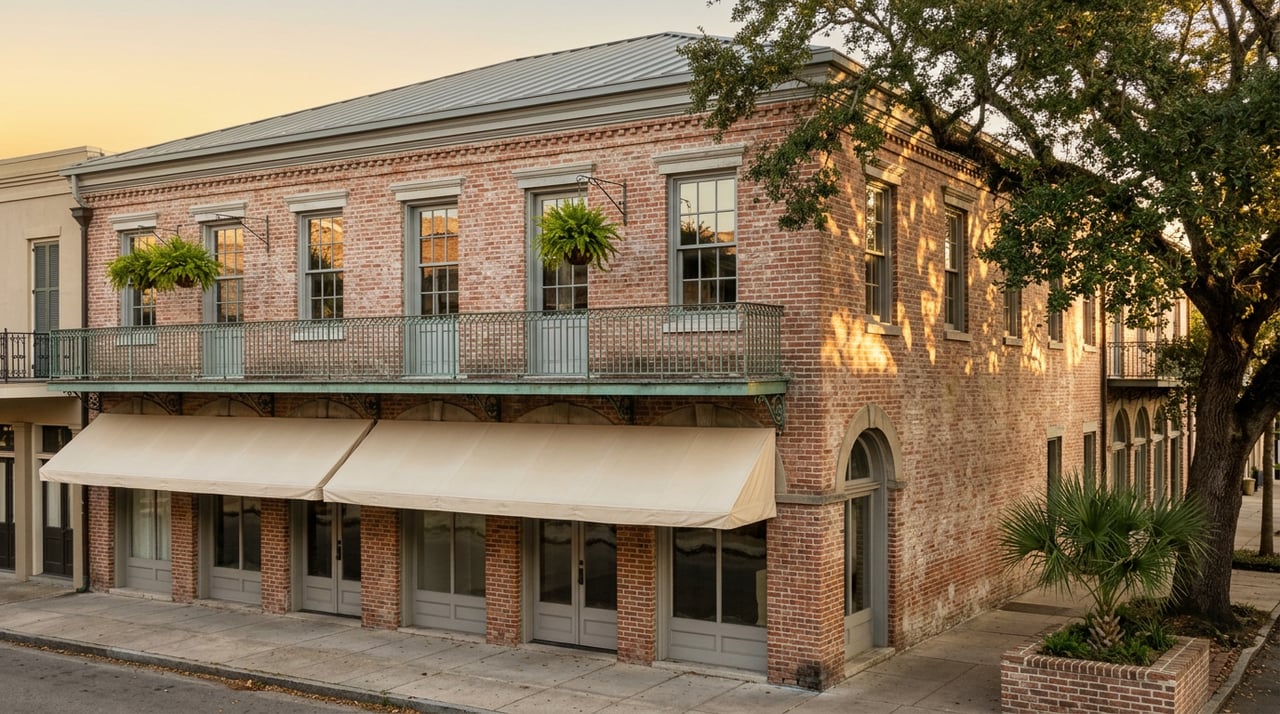
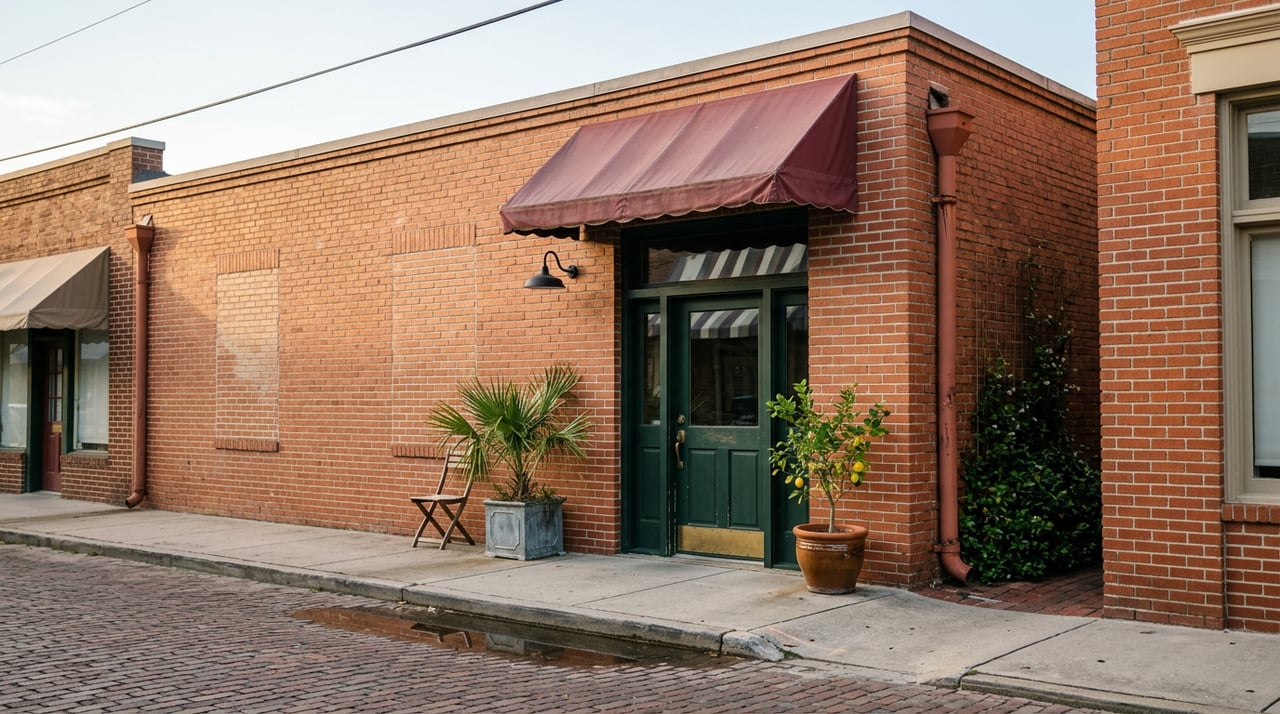
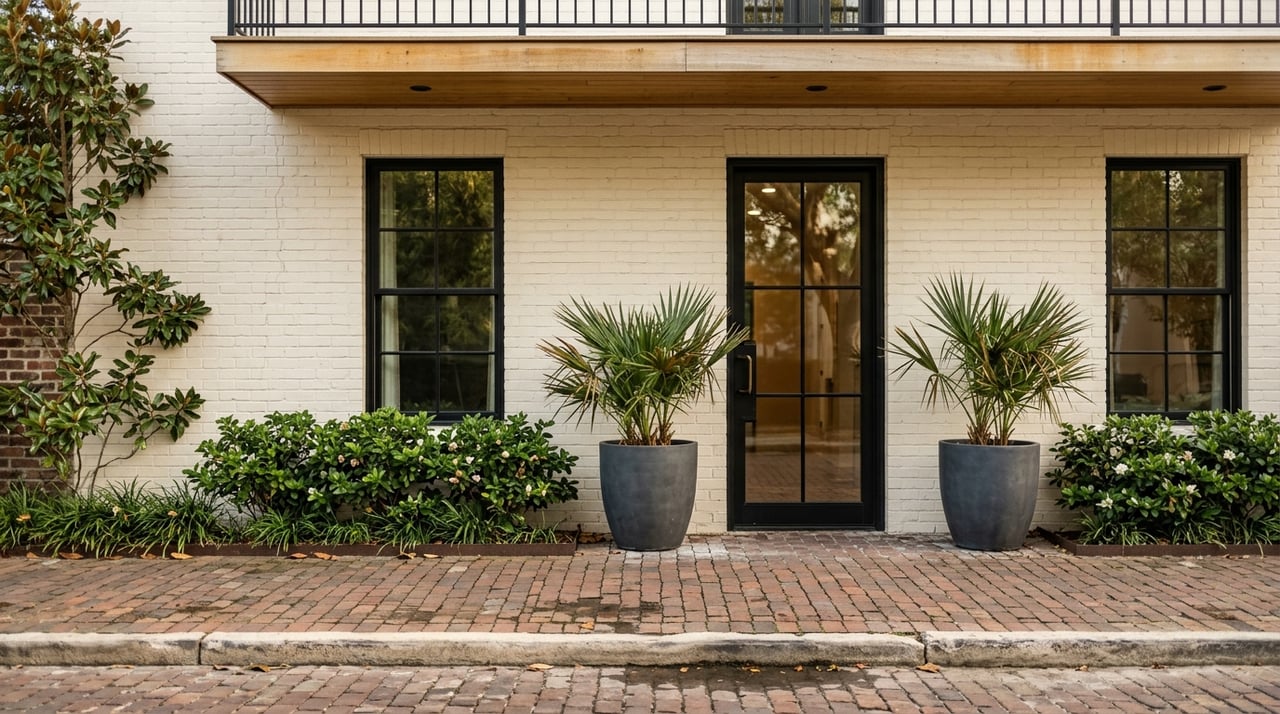
City planning materials note that the Old Town Core overlaps the National Register Historic District and the Depot Arts District. They also call for new development and improvements to respect historic scale and character, with parking placed to the side or rear where possible and a continued focus on pedestrian scale.
In practical terms, that means buying a cottage here often calls for a little more patience and planning before making exterior changes. If you are considering renovations, additions, or site changes, it makes sense to ask early about zoning, flood zone requirements, and whether a variance or conditional use could be needed.
Parking Is Part of the Decision
Parking is one of the most important reality checks for Old Town buyers. The city says there are several public and free parking lots in Old Town, along with private paid options, but on-street spaces should not be used for overnight parking.
That setup can work well for visitors and for owners who want a more walkable lifestyle. It can feel less convenient if your household expects multiple vehicles, oversized storage, or the ease of a large private driveway.
This is one reason many buyers are attracted to the area’s compact, low-friction rhythm. You are often trading extra parking and storage for proximity to the beach, harbor, restaurants, and downtown activity.
Boating, Beach Access, and Outdoor Living
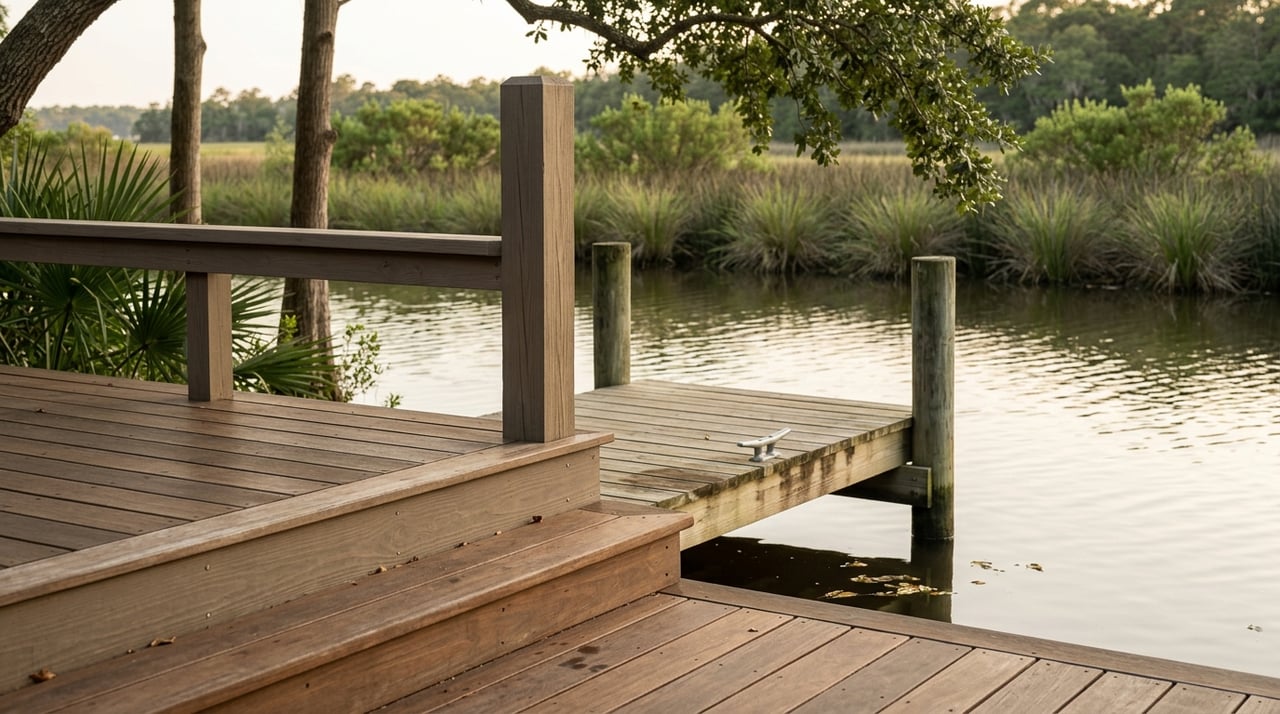
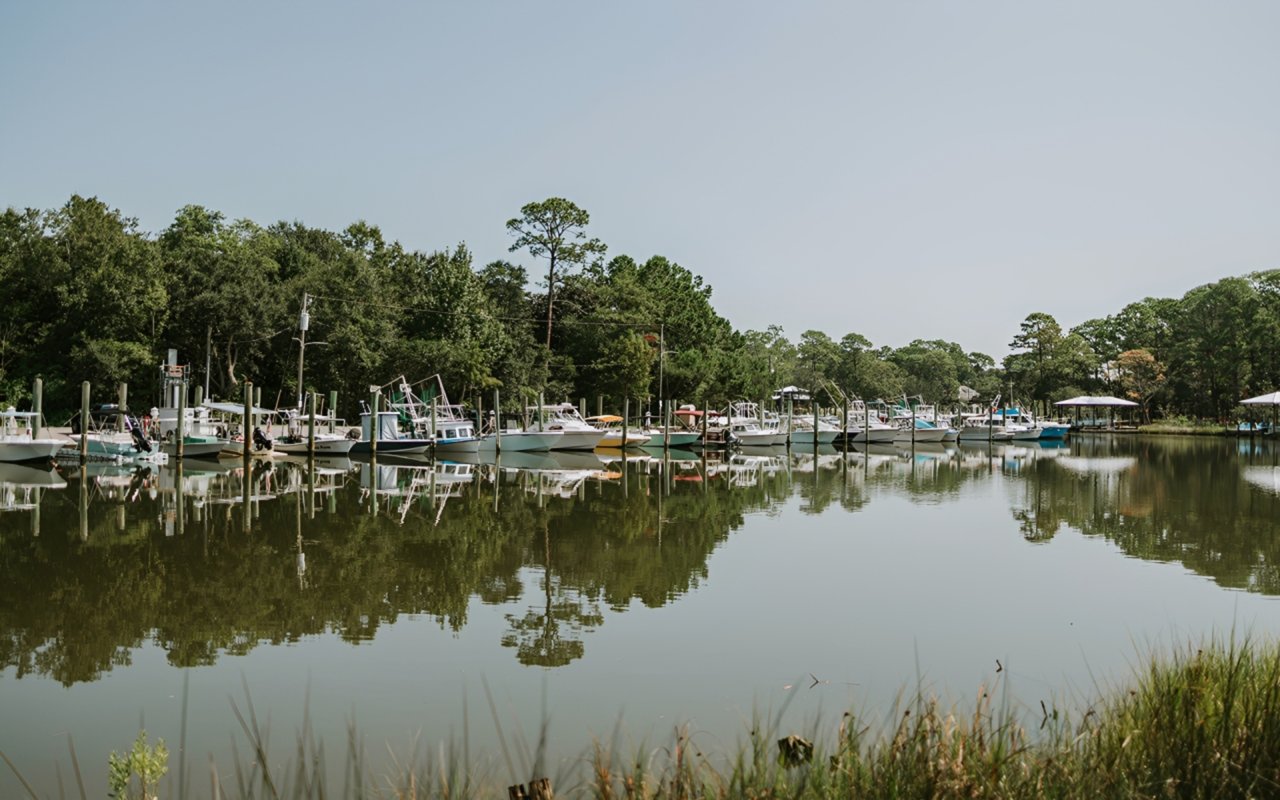
If you want your cottage to support an outdoor lifestyle, Old Town has a lot going for it. The municipal harbor includes dedicated boat-owner parking, a fishing pier, and a sand beach with boardwalk access.
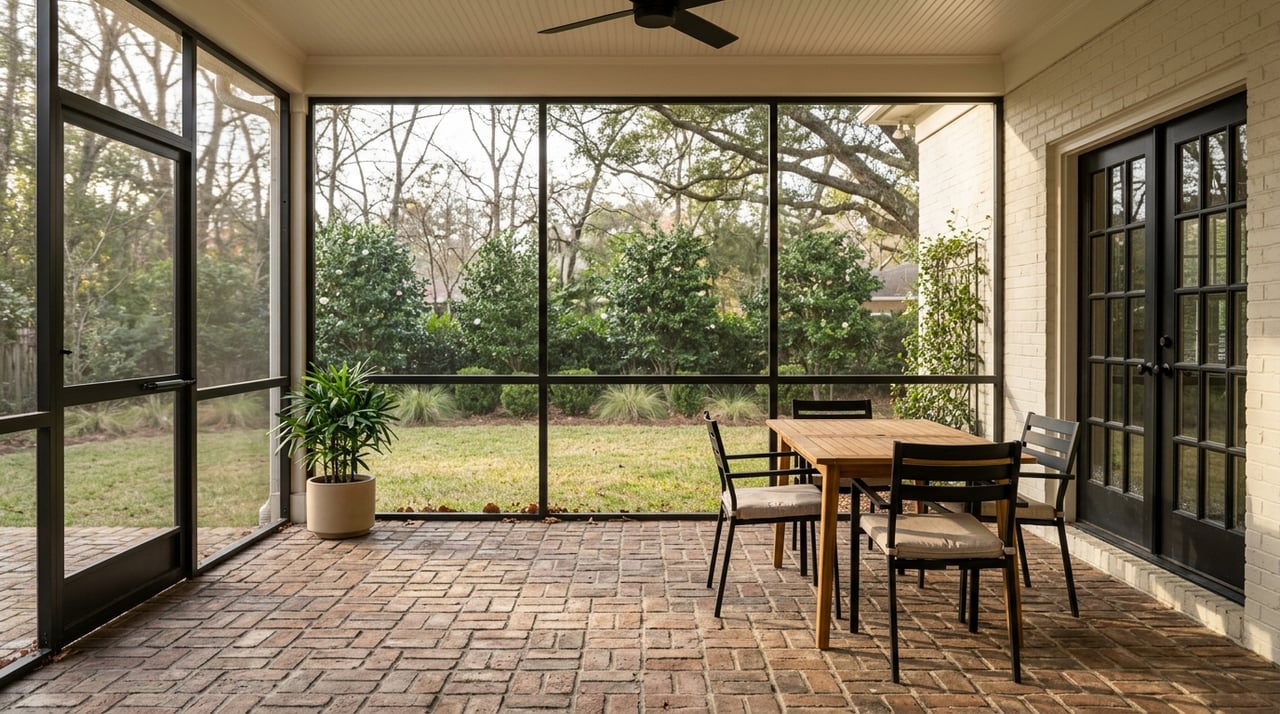
The city also highlights beach access, sailing, and fishing opportunities through its recreation resources. So while cottages here may not always offer expansive private outdoor space, the surrounding public waterfront amenities become part of how you live.
That can be a strong fit if you value experience over square footage. Instead of managing a large yard, you may spend more time on the water, walking the beach, or moving between town and harbor on foot.
Golf Carts Can Help, But They Add Logistics
Bay St. Louis allows golf carts and low-speed vehicles in most residential areas if they are registered, renewed annually, and insured. For some owners, that can make Old Town living easier, especially when parking is tight or when you want a simple way to move between home, downtown, and nearby waterfront spots.
At the same time, a golf cart is still another vehicle to store and maintain. So while it can soften the limits of a cottage lot, it does not erase them.
This is a good example of how Old Town ownership works best when your expectations match the setting. If you like a compact, coastal, movement-oriented lifestyle, these tradeoffs may feel natural.
Short-Term Rental Use Requires Real Management
If you are thinking about occasional guest stays or operating your cottage as a short-term rental, Bay St. Louis has a defined ordinance in place. The city adopted short-term rental registration and regulation requirements in August 2024.
Under the ordinance, an operator must register the property before advertising or using it as a short-term rental. The city requires a parking plan submitted through MGO Connect, a $100 annual registration or renewal fee per unit, and use of the registration number in advertisements. The permit is tied to the unit and is not transferable.
The operating rules go beyond registration. The city requires a 24/7 local contact person who can respond in person within 30 minutes, a tenant information sheet, and at least one 5-pound Class 2A:10B:C fire extinguisher on each floor with enclosed space.
Occupancy is also regulated. The city sets it at two people per sleeping room plus four per dwelling, or plus six for homes with more than 3,250 square feet of conditioned living area. Garbage container size must also align with bedroom count, and owners with delinquent city utility or garbage fees cannot register until those issues are resolved.
The bigger point is simple: guest use here is possible, but it is not passive. If income potential is part of your purchase decision, you should evaluate not just demand, but also your readiness for compliance, local response requirements, parking logistics, and ongoing operations.
Flood and Storm Planning Matter
A cottage in Old Town is as much a waterfront ownership decision as it is a design or lifestyle decision. Bay St. Louis’s planning materials state that the city lies fully within classified FEMA flood zones, with a substantial share in the 100-year and 500-year floodplains.
The city’s history also includes severe storm damage from Hurricane Katrina in 2005. That history still shapes how buyers should think about insurance, elevation, retrofit planning, and long-term exterior maintenance.
This does not take away from the appeal of owning here. It simply means your due diligence should include a clear look at flood exposure, insurability, and the condition of any systems or improvements that relate to storm resilience.
The Best Fit for This Lifestyle
Old Town Bay St. Louis tends to work best for buyers who value character, walkability, and proximity to the waterfront more than oversized lots or garage-heavy living. It can be especially appealing if you want a second home that feels connected to the rhythm of town and the coast.
It may also suit you if you are comfortable with a more hands-on ownership mindset. Historic review, parking limits, flood awareness, and short-term rental rules all shape how the property functions over time.
That is not a drawback for the right buyer. In many cases, it is exactly what protects the sense of place that makes Old Town special in the first place.
If you are weighing a cottage purchase in Bay St. Louis, it helps to look beyond the listing photos and think about the full ownership cycle. The right property should fit not only your style, but also how you plan to use it, maintain it, and potentially operate it over time. If you want a strategy-first perspective on Gulf Coast lifestyle ownership, Rain Residential can help you evaluate the details with clarity.
FAQs
What is daily life like in Old Town Bay St. Louis for cottage owners?
- Daily life in Old Town is centered on walkability, waterfront access, and close proximity to shops, dining, music, and the harbor.
What should buyers know about parking at a cottage in Old Town Bay St. Louis?
- Buyers should know that Old Town has public parking options, but on-street parking should not be used overnight, and on-site parking may be limited on some cottage lots.
What renovation rules affect cottages in Old Town Bay St. Louis?
- Buyers should expect possible review related to historic preservation, along with early checks for zoning, flood zone requirements, and any needed variance or conditional use.
Can you use an Old Town Bay St. Louis cottage as a short-term rental?
- Yes, but the property must be registered before advertising or operation, and owners must follow city rules for parking, local contact response, occupancy, safety items, and annual renewal.
Why does flood planning matter when owning a cottage in Bay St. Louis?
- Flood planning matters because the city is within classified FEMA flood zones, and waterfront ownership here calls for careful review of insurance, elevation, retrofit needs, and storm resilience.
Who is a good fit for owning a cottage in Old Town Bay St. Louis?
- A strong fit is a buyer who values historic character, a compact coastal setting, and walkable access to the waterfront and downtown amenities, while being comfortable with the practical realities of ownership.