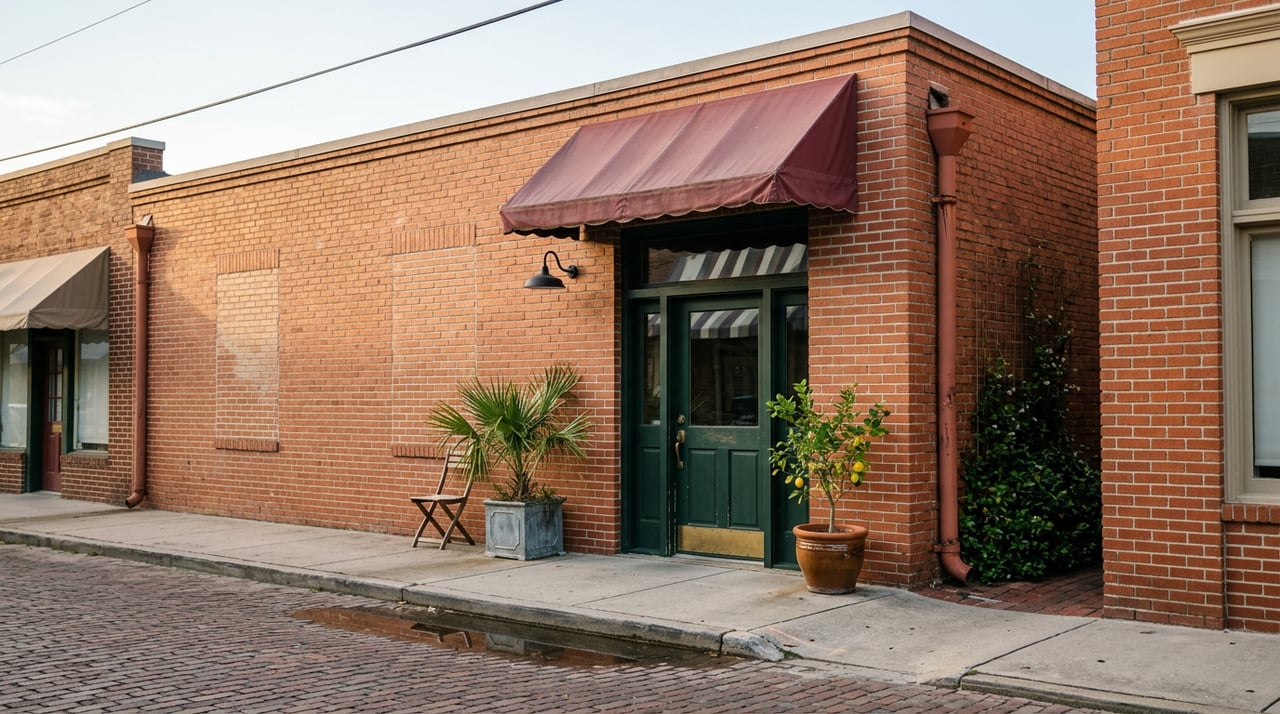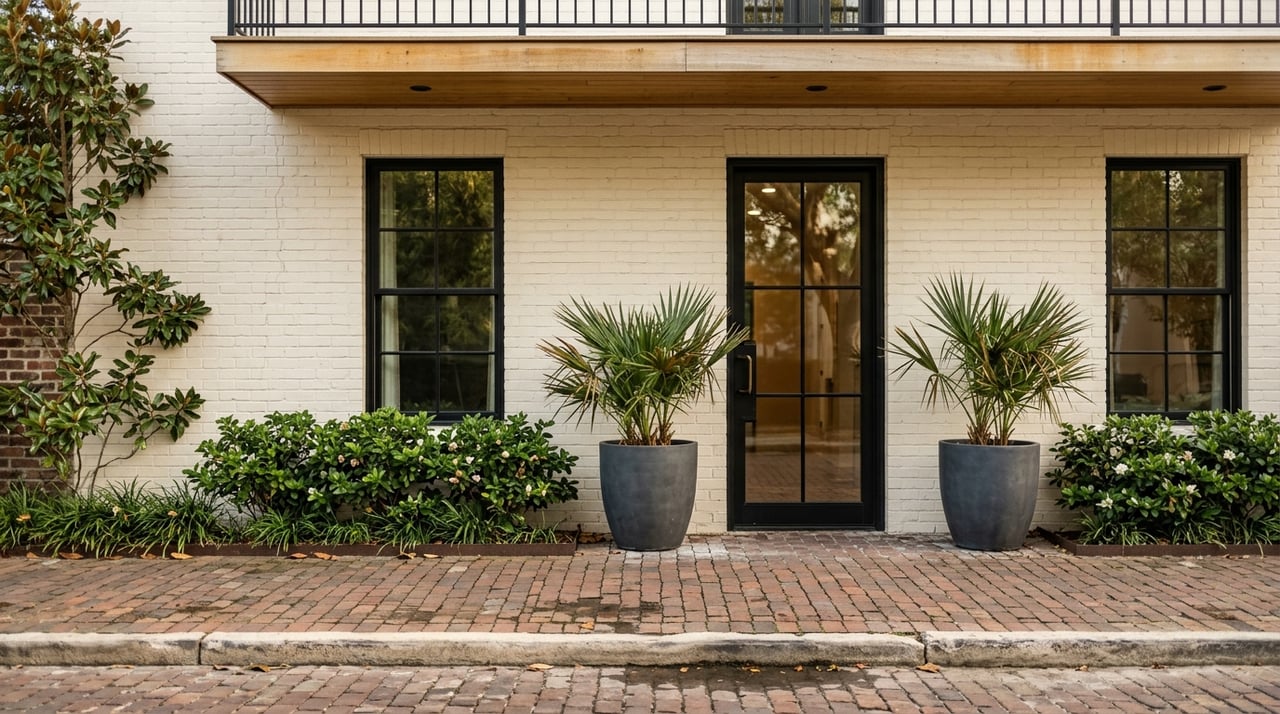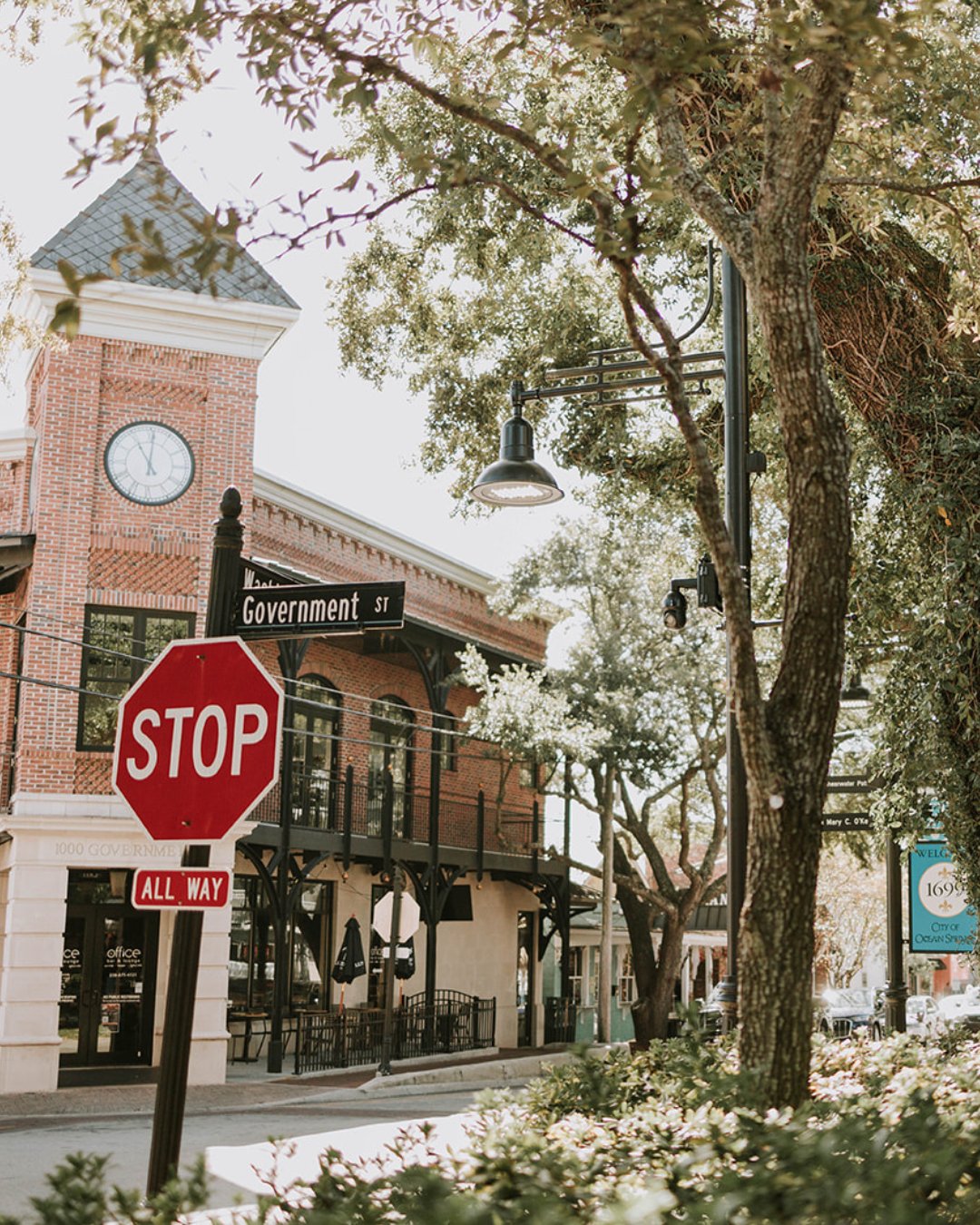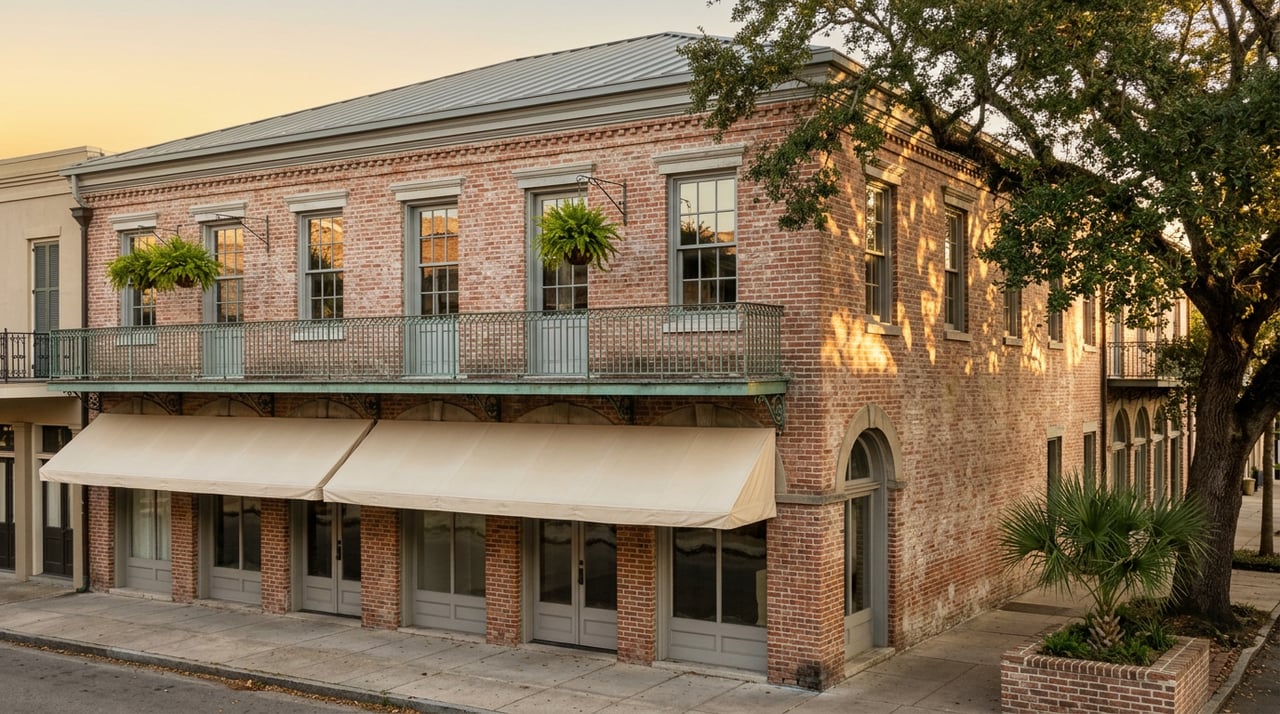
Drive down Court Street in Old Town Bay St. Louis this month and the building near the water is dark again. No lights on the rooftop bar, no line at the door, no smell of steamed crab drifting past the sidewalk. If you have lived here a while, you already know the pattern. This is the latest chapter for this address, and the second time in a year the sign has come down.
That one building tells you more about how Bay St. Louis restaurants actually work than any list of what's new this season. The turnover here is not random bad luck. It follows a pattern that repeats across Old Town, and understanding it will tell you more about where to eat next month than any single opening ever could.
Two Restaurant Concepts, One Kitchen
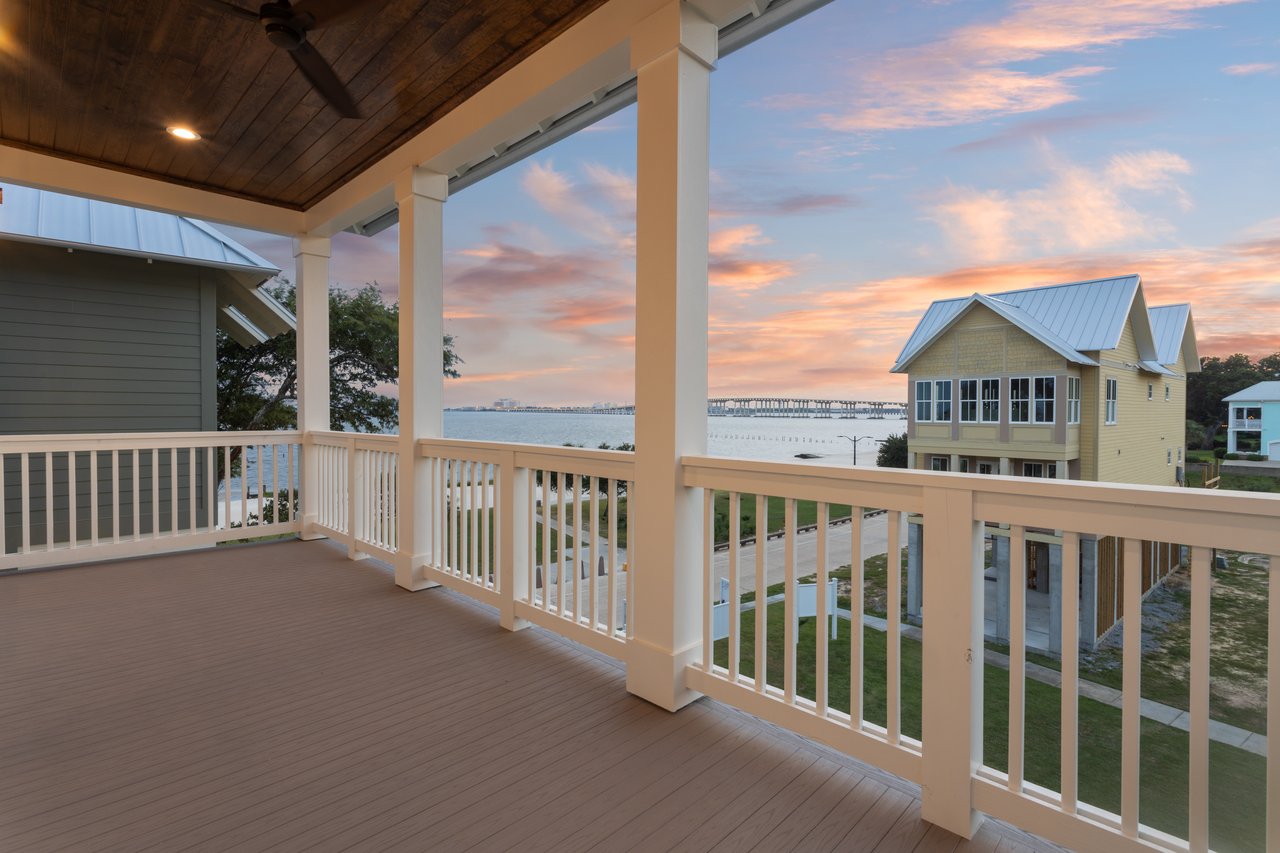
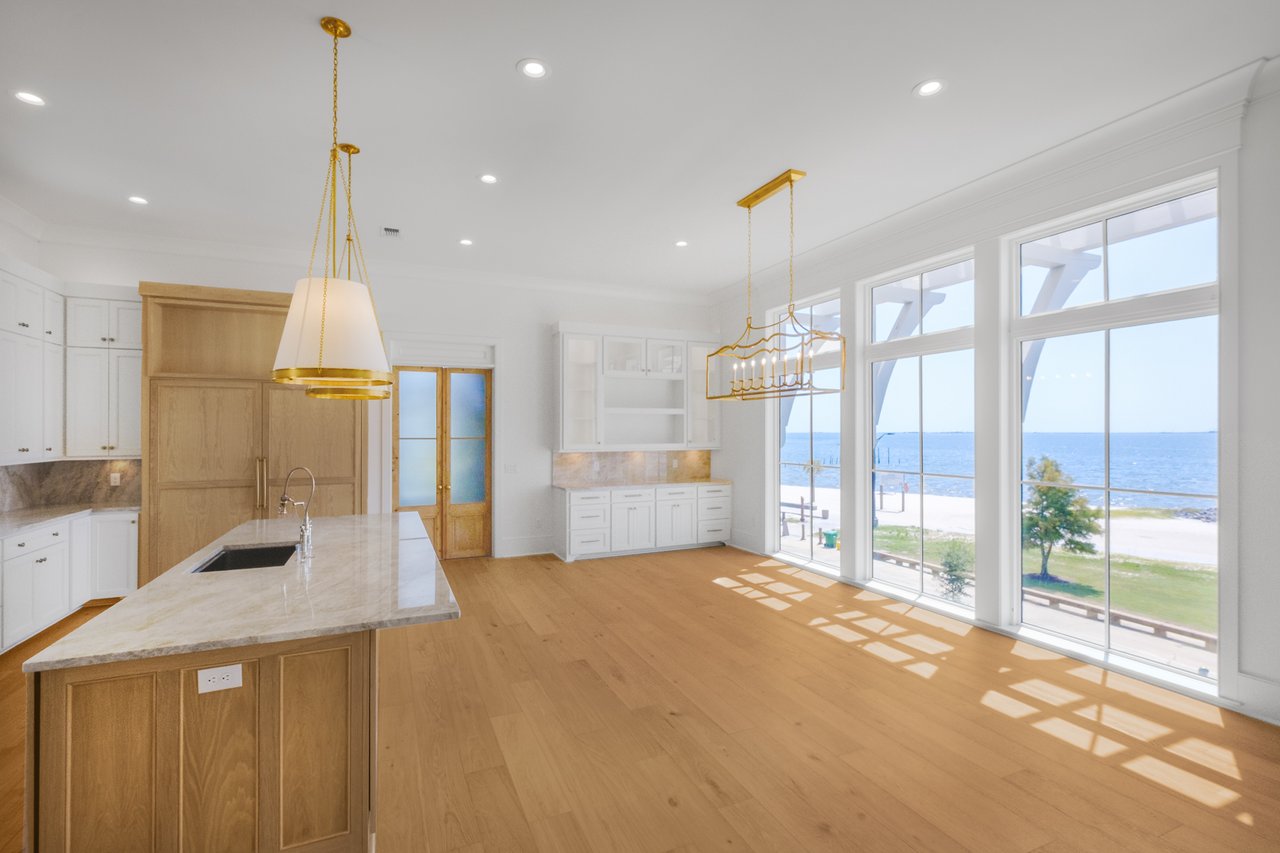
The Advocate reported that Toro Sushi and Sake opened on Court Street offering upscale sushi and closed in 2025 after about a year in business. Owner Jourdan Nicaud told the publication the concept struggled because customers did not want to pay sushi prices in a beach town. So Nicaud and his brother Field Nicaud, who also run Field's Steak & Oyster House in Bay St. Louis and Field's Italian in Pass Christian and Ocean Springs, converted the same space into Field's Crab Shack. It opened in October 2025 with steamer plates, whole lobster, and a rooftop view of the bay.
Then came the rain. More than a foot fell across Hancock County during an early-June storm, and water pushed through the roof membrane at the Court Street building, damaging the lighting and flooding parts of the dining room. Field's Crab Shack closed on June 7, 2026, and remains closed as of this writing. Nicaud told the Sun Herald the timeline for reopening could stretch to the end of the year. Staff moved over to Field's Steak & Oyster House and the family's other coast locations.
| Era | Concept | What happened |
|---|---|---|
| 2024–2025 | Toro Sushi and Sake | Upscale sushi, closed after roughly a year |
| Oct. 2025–June 2026 | Field's Crab Shack | Casual seafood pivot under the same owners |
| June 2026–present | Closed | Flood damage, reopening unclear |
Why The Turnover, Not Just The Storm
Court Street is not an outlier. A wider look at Bay St. Louis dining over the past year shows the same forces at work elsewhere. Murky Waters, a barbecue spot on the coast, closed its Bay St. Louis location. Tripletails, a beachfront bar and seafood restaurant, closed in January. Pat Fontaine, who leads the Mississippi Hospitality and Restaurant Association, points to a specific set of pressures behind closures like these: restaurants along the coast often can't match the wages the casinos pay kitchen and service staff, which makes it hard to keep a full crew through a busy season. A backlog at the state's alcohol distribution warehouse has made it harder for restaurants to keep wine and liquor stocked. Rising fuel costs are showing up as surcharges from food distributors. And Bay St. Louis, like most small coastal towns, runs on a seasonal rhythm where winter months are simply slower, which puts pressure on any restaurant trying to staff and stock at a steady level year round.
None of that is unique to one address on Court Street. It is the operating environment for every restaurant in Old Town, which is why watching one building cycle through two restaurant concepts in two years is less a curiosity and more a case study in what it actually costs to keep a kitchen running here.
What's Actually Holding
The turnover story only tells half of it. Set against the closures, several spots have had a strong run over the same stretch. Anthony's Ristorante opened last fall and has been picking up favorable reviews since. Barracuda Taco Stand and Tacos and Beer, both transplants from New Orleans, opened last year and have stuck. The Blind Tiger, a casual beachfront restaurant, reported its best March on record this spring, according to owner Thomas Genin, who credits affordable pricing for keeping the doors busy through a season that sinks other restaurants.
The examples show different concepts and different outcomes. They offer a snapshot of Bay St. Louis dining, but do not establish one explanation for why some restaurants remain open and others close.
The Calendar Doesn't Care Which Building Is Occupied
What keeps foot traffic flowing through Old Town regardless of which building is dark this month is the calendar the Old Town Merchants Association runs independent of any single restaurant's fortunes. Second Saturday Artwalk happens every month, drawing shoppers and diners into Old Town through the afternoon and into the evening with gallery openings, live music, and restaurant specials. This year OTMA added a new signature event, Battle in the Bay: The Art of the Cocktail, which debuted in March, on top of long-running fixtures like the Souper Mudfest.
The fall calendar is already set. If you're planning evenings in town over the next month, here's what's on the books:
- Epic at Dan B. Murphy's Restaurant and Bar, Oct. 3
- VDub Run, Oct. 9
- Seahorse Open Golf Scramble for Charity, Oct. 16
- Boo in the Bay Parade, the seventh annual, Old Town, Oct. 17
- Wednesday's at the Depot, Train Depot, Oct. 21
- Cult Classics 5K, starting at Mockingbird Cafe, Oct. 24
Mockingbird Cafe, for what it's worth, marked twenty years in business this past August, which puts it in a different category from the Court Street rotation entirely. Some spots in Old Town have been open for decades, while others have shorter histories or have closed after a shorter run. Those varied timelines are part of how a small coastal downtown functions, but they do not by themselves explain why a particular restaurant remains open or closes.
That is the real lesson from Court Street: a closed sign on one building does not, by itself, tell the whole story of a neighborhood. Bay St. Louis has restaurant closures, businesses reporting strong runs, and a calendar that continues to draw people into Old Town.
If you're weighing a move to Bay St. Louis, or already own here and are thinking about what a property like this actually costs to run day to day, Rain knows this stretch of the coast block by block, kitchen turnover included. Talk with an advisor when you're ready to look at what owning here really involves.