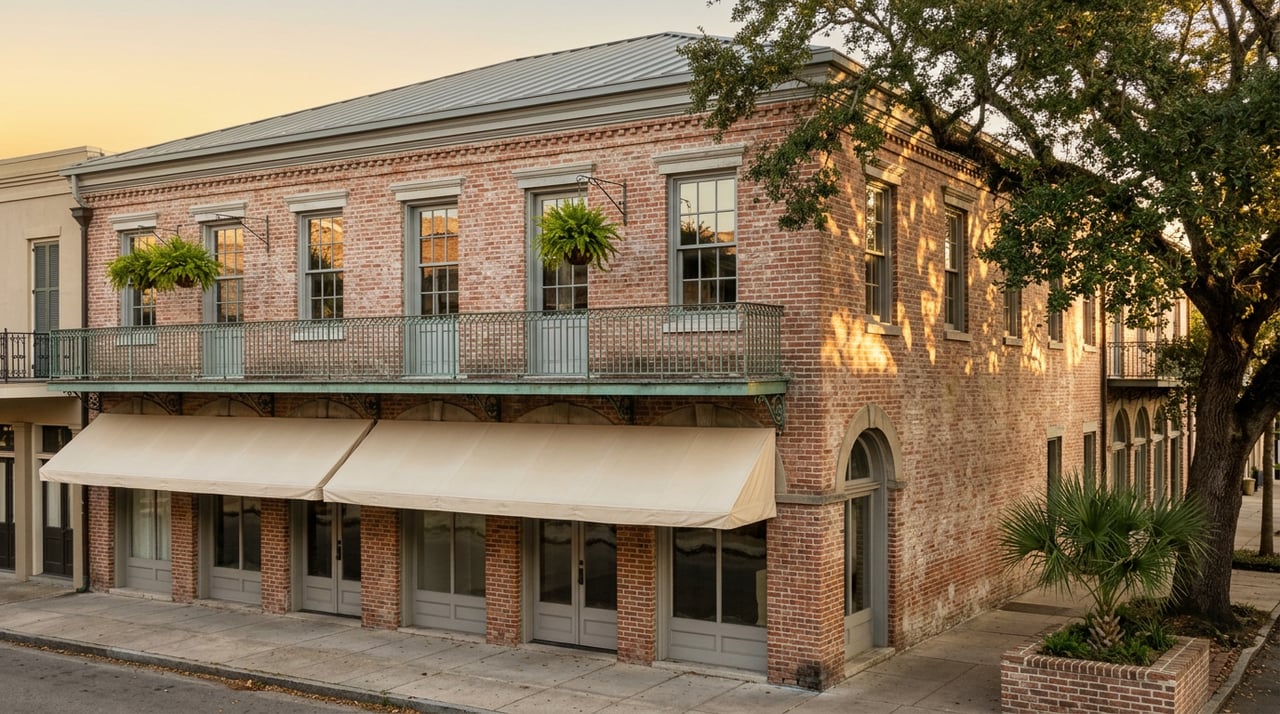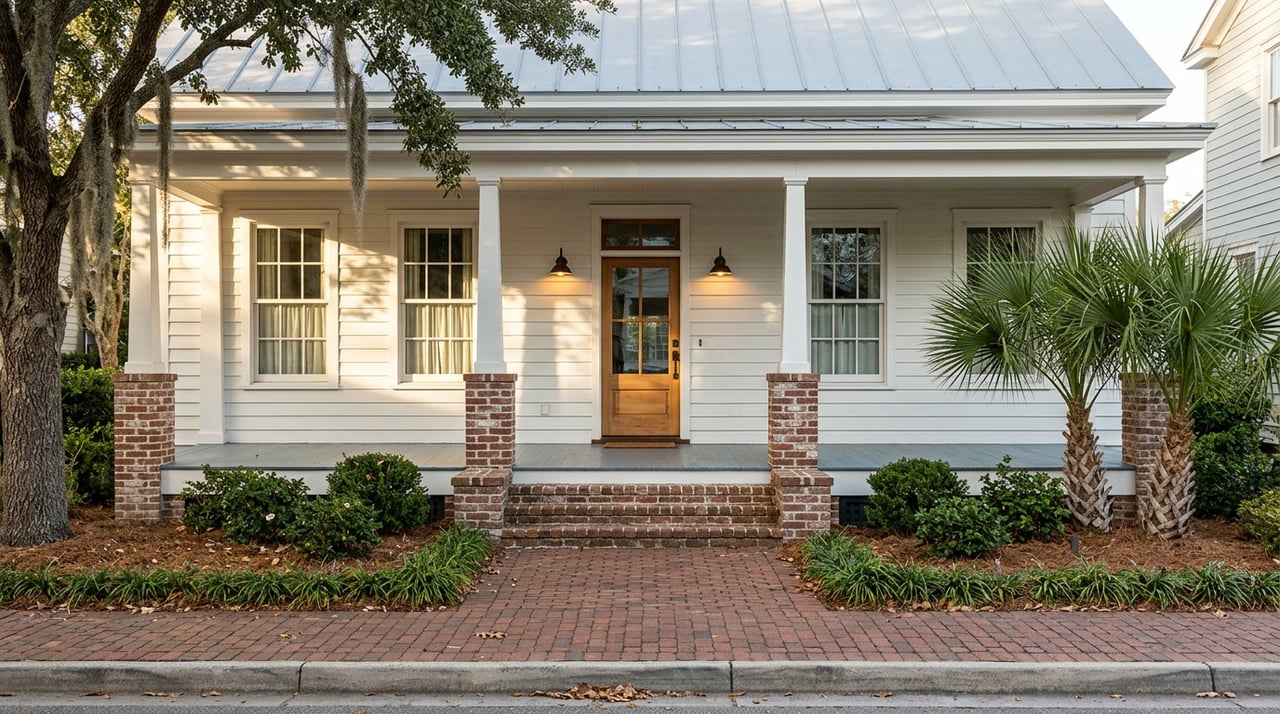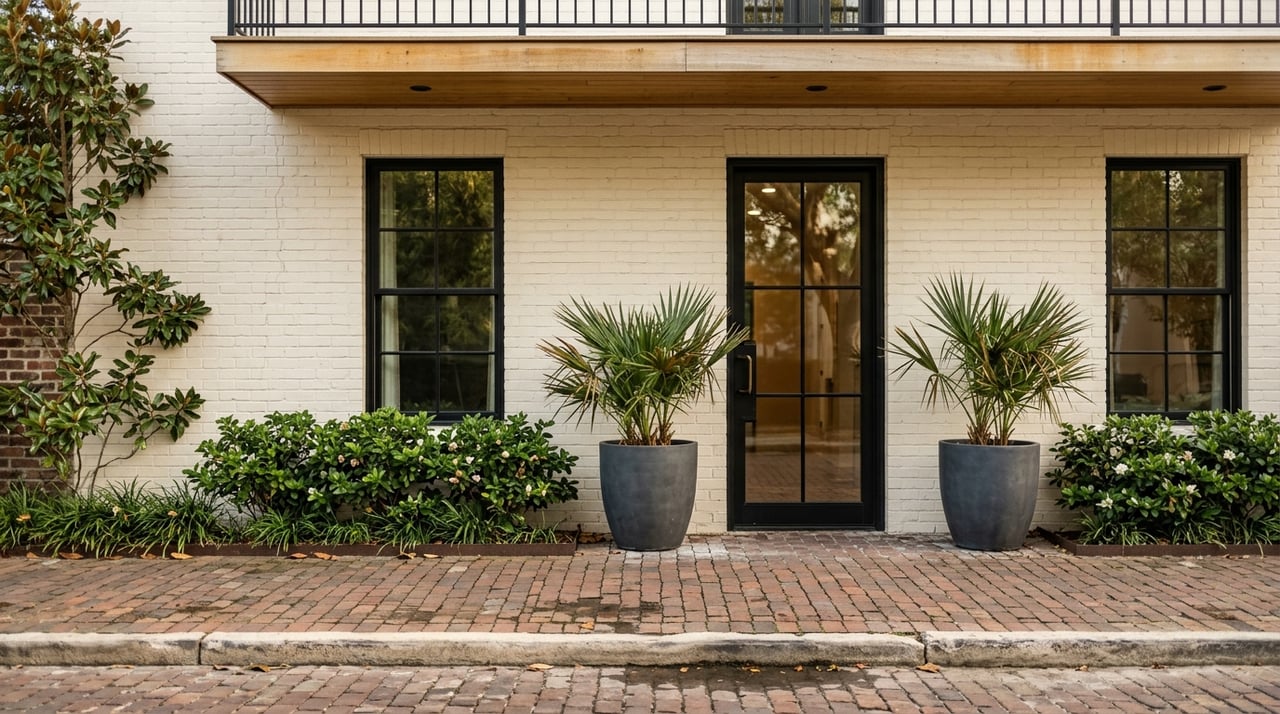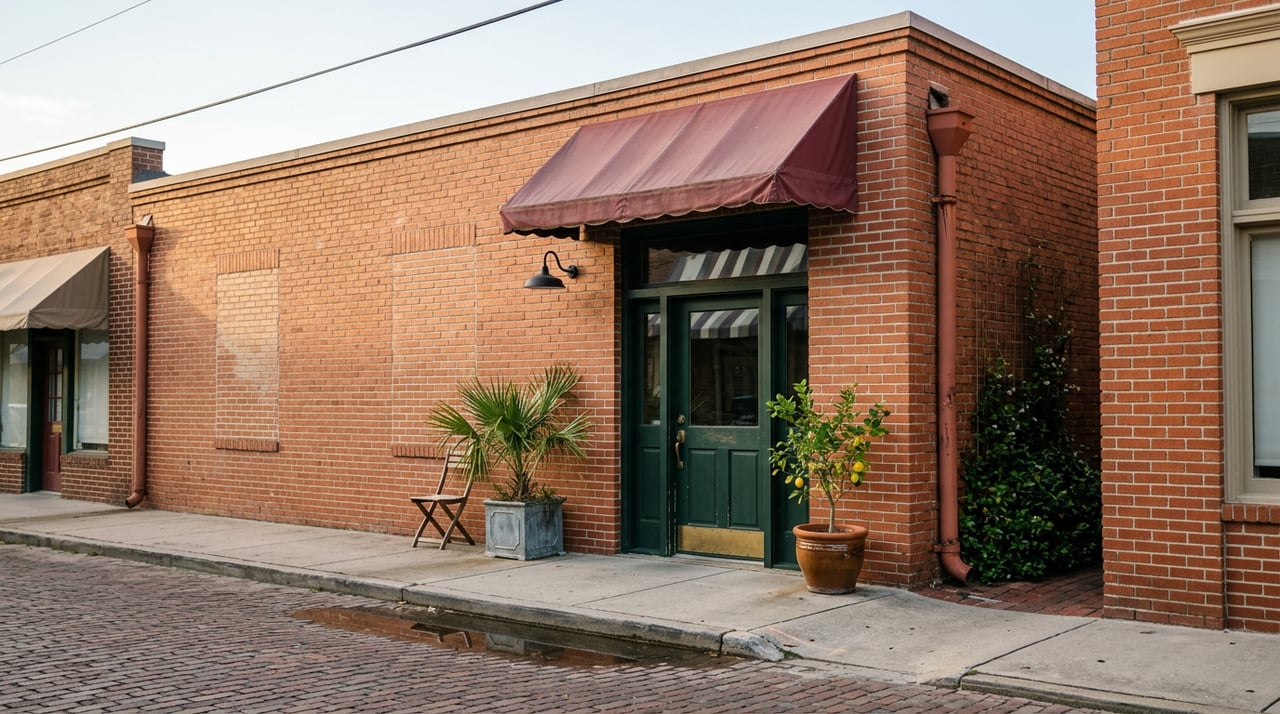
For 98 years, the building at 1039 Howard Avenue fed Biloxi. That run belonged to Burger Burger, the burger joint that closed in 2025 when its owner retired. The building sat empty for months. Then, on February 2, 2026, a new sign lit up in the window: Ole Biloxi Cafe, opened by David and Tina Redwine, whose family has been in the restaurant business since a 1996 bakery. It's their third restaurant in Mississippi and their second on the Coast, and the menu leans into what the building has always done best: red beans and rice on Mondays, a meat-and-two-sides lunch with house-cut fries, fried okra, and potato salad.
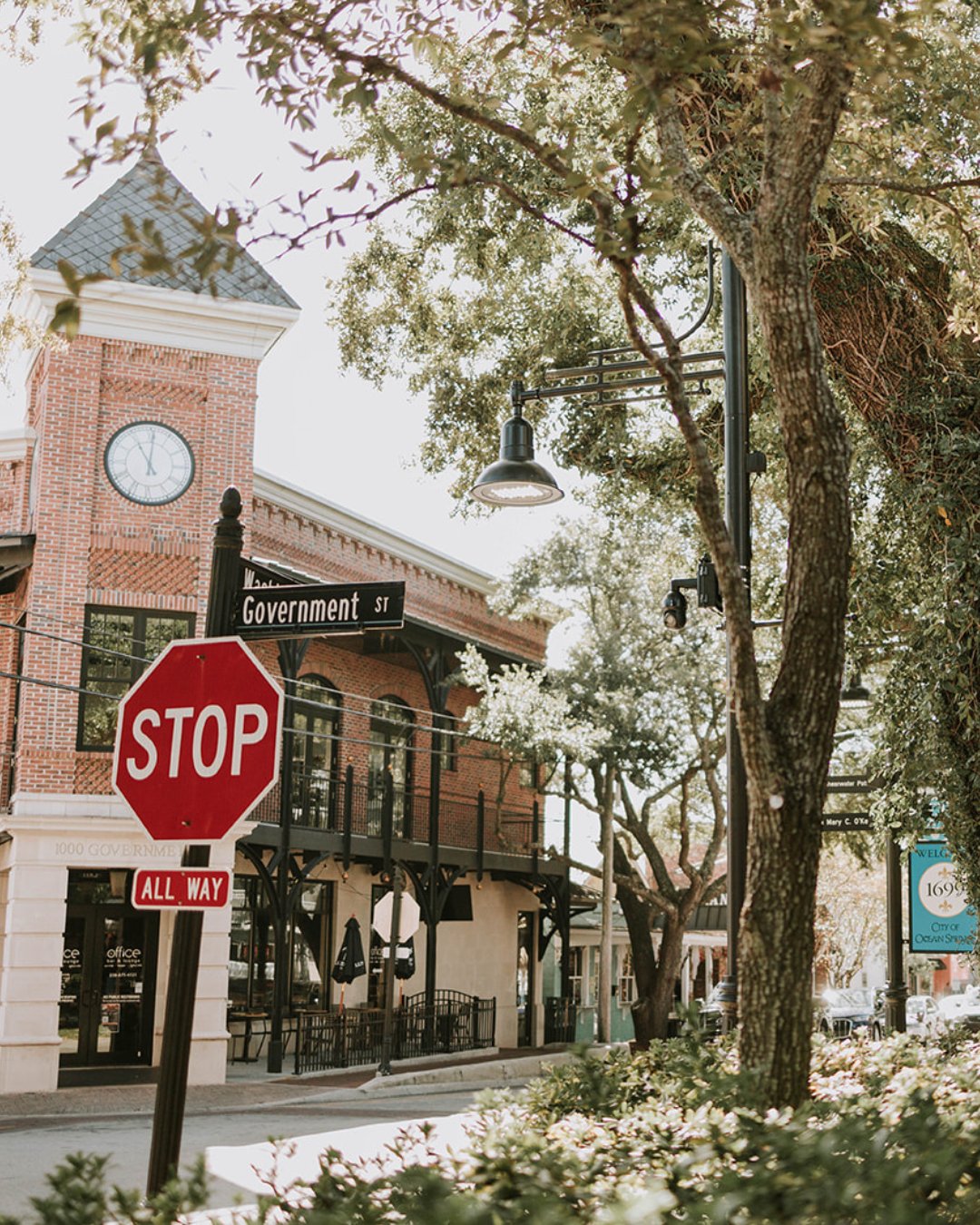
Walk two blocks in either direction from that address and you'll find the same pattern repeating. Downtown Biloxi's restaurant scene isn't building outward from the harbor toward the street grid. It's filling in the street grid itself, one old storefront at a time, while Point Cadet Marina a few blocks away keeps doing exactly what it has always done: work.
Howard Avenue Is Filling In Building By Building
Ole Biloxi Cafe isn't working alone on its stretch of Howard. A short walk down the same brick-paved block, Greenhouse Biloxi has settled into a summer rhythm of roasted tomato biscuits and cinnamon brown sugar oatmeal biscuits topped with roasted bourbon peaches, alongside coffee and drinks that read more café-in-a-college-town than beachfront tourist stop. Neither restaurant needed new construction. Both took over spaces that already had a shape and a history, and both kept enough of that shape to feel like they belong there rather than like they arrived.
That's worth sitting with for a second. A city with open land near its beachfront could easily let new restaurants cluster where the view is. Howard Avenue's newest tenants didn't do that. They went where the buildings already were.
Lameuse Street Picked Up The Same Habit
A few blocks over, Lameuse Street has quietly become downtown Biloxi's second food address. One Thirty One Lameuse holds the title of newest name on the strip, open Wednesday through Sunday and built as much for private events as for walk-in dinners. A few doors down at 110 Lameuse, Catch 110 has been taking shape under the ownership group behind Half Shell Oyster House, the same team that runs the Rack House in Gulfport. The last public account of the project described a year already spent restoring the building for an upscale steak-and-seafood concept, the kind of timeline that comes from working around a building's history rather than clearing it out.
Two projects on one short street, both anchored in buildings that predate them, both built around restoration rather than a teardown. That's not an accident of what happened to be available. It's a pattern.
Rue Magnolia's One Building Did Both Things At Once
The clearest example of downtown Biloxi's restaurant wave might be the smallest one. At 119 Rue Magnolia, in the historic building known locally as the Magnolia building, chef David Dickensauge turned what had been a steak-and-oyster house into Field's Mediterranean, a menu built around Gulf-sourced seafood filtered through Mediterranean technique. Chargrilled oysters sit next to a Fattoush salad and an Israeli salad. Flatbreads share the menu with lamb chops, branzino, and a romesco-crusted redfish. The building didn't change hands to become something unrecognizable. It changed hands to become a version of itself with a different accent.
That's the throughline connecting Howard Avenue, Lameuse Street, and Rue Magnolia. New restaurants in downtown Biloxi aren't erasing what came before. They're renovating buildings that already had a job and giving them a new one.
Here's the quick version of the cluster, for anyone keeping a list, three streets and five names, every one of them inside a building older than the business now running it:
- Ole Biloxi Cafe, 1039 Howard Avenue, opened February 2, 2026, in the former 98-year Burger Burger space
- Greenhouse Biloxi, on the brick-paved section of Howard Avenue, biscuits and coffee
- One Thirty One Lameuse, downtown Biloxi's newest restaurant address, open Wednesday through Sunday
- Catch 110, 110 Lameuse Street, a year-long restoration project from the Half Shell Oyster House and Rack House ownership group
- Field's Mediterranean, 119 Rue Magnolia, in the historic Magnolia building
The Harbor Isn't Trying To Be A Dining District
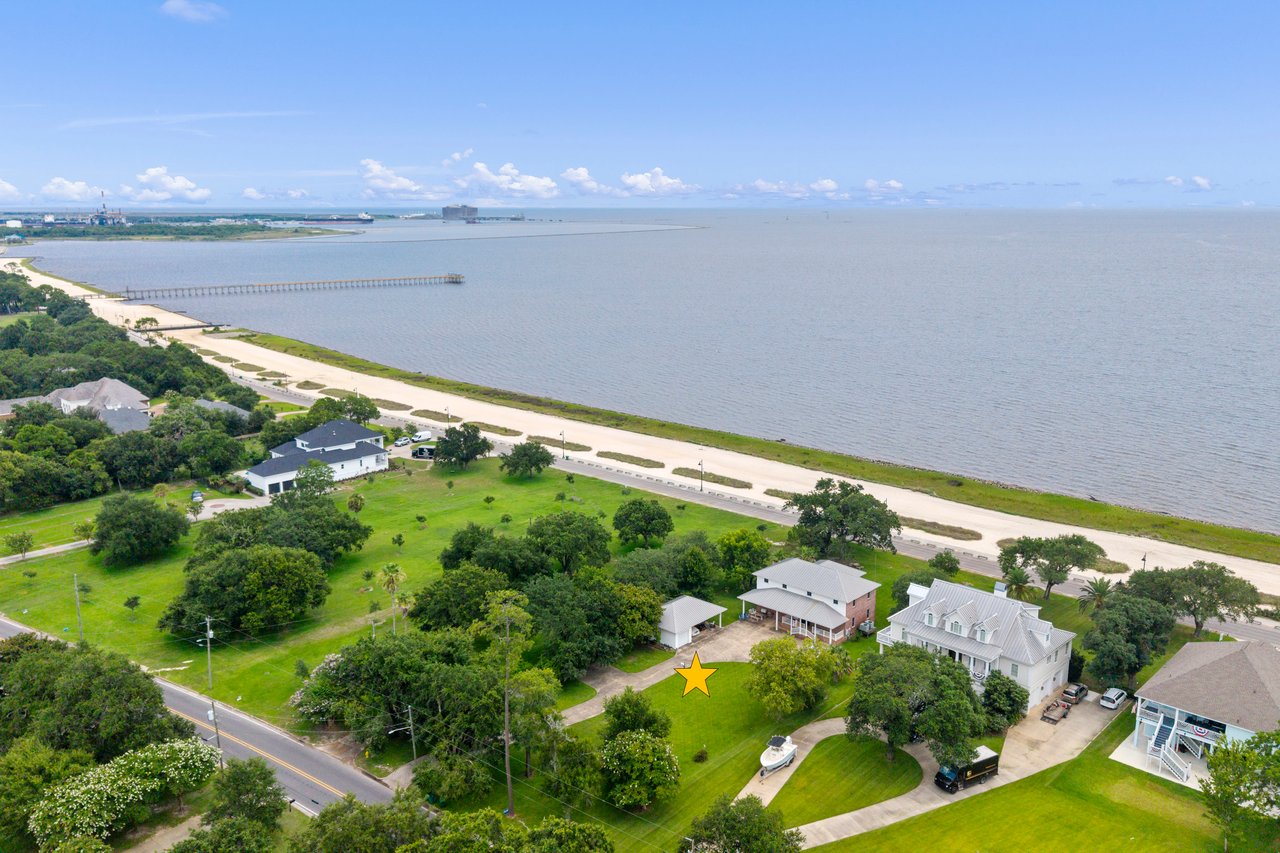
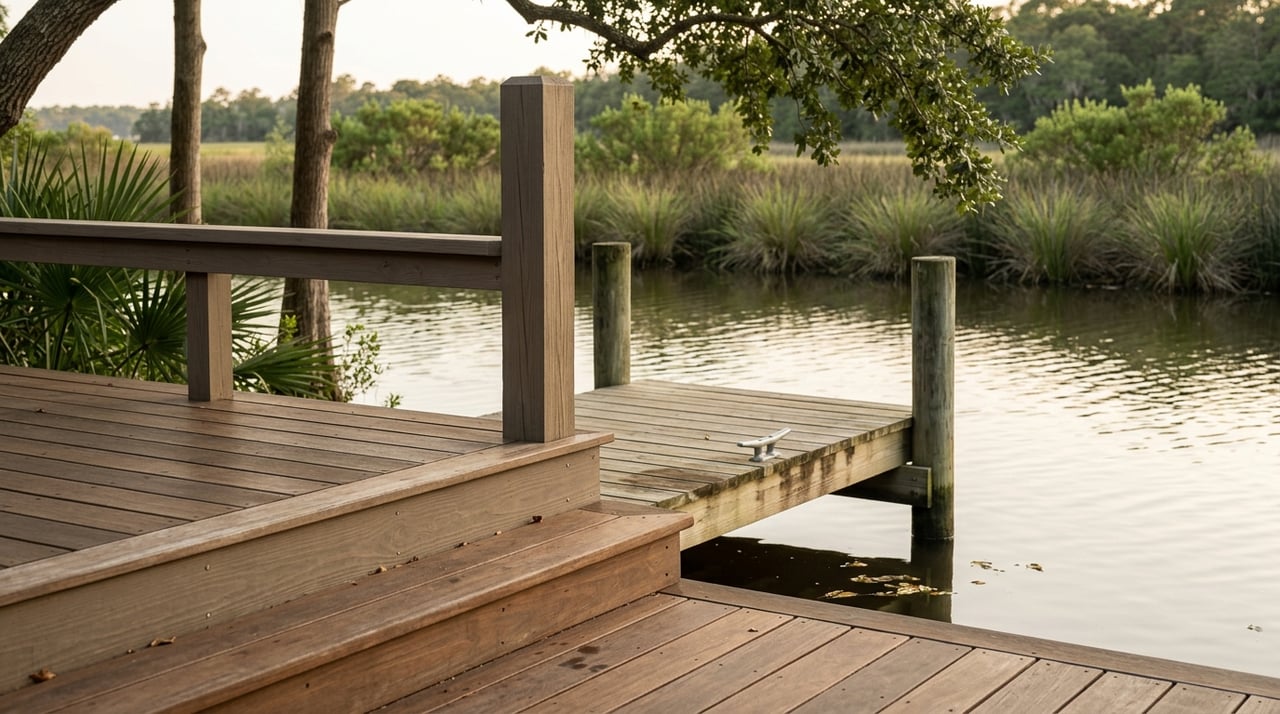
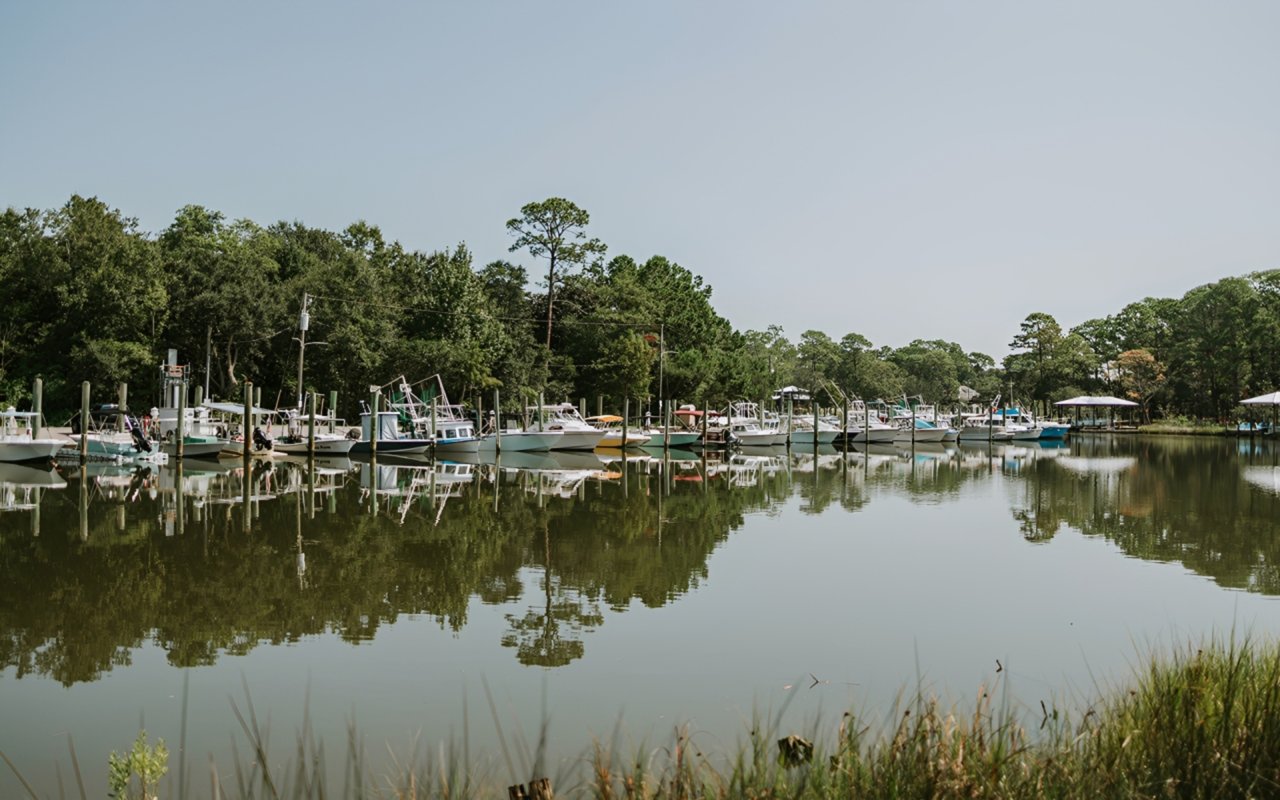
Here's where the pattern gets interesting. Point Cadet Marina, a short walk from all of this, is the largest marina in Biloxi, with 29 floating docks and full-length finger piers plus 212 fixed docks able to handle boats from 25 feet up to transient vessels of 135 feet. Next door, the Biloxi Small Craft Harbor is the oldest harbor in the city, sitting beside the Hard Rock Casino. Citywide, the Biloxi Port Division oversees four harbors with nearly 500 slips, seven boat ramps, and seven piers, and it funds itself entirely from slip rentals and building leases rather than city tax dollars.
None of that reads like a district being repositioned for tourists. It reads like a working port. Shrimp boats still sell catch directly off the docks at Point Cadet, and the marina has hosted fishing tournaments like the Biloxi Kingfish Mayhem and the MGCBC for years running, drawing boats out at dawn and crowds back for evening weigh-ins. The marina itself doesn't have a restaurant of its own. What it has is proximity: the new dining is a short walk or drive away, on streets that were never part of the harbor to begin with.
That's the detail that changes how you should read downtown Biloxi's restaurant wave. If the harbor were the draw, you'd expect the new spots to cluster at the water's edge, angling for a marina view. Instead they're landing on Howard, on Lameuse, on Rue Magnolia, streets that were commercial corridors long before Point Cadet had 500 slips to fill. The harbor keeps doing harbor things. The street grid is doing the reinventing.
What This Means If You Already Live Here
If you're already in downtown Biloxi, this isn't abstract. It means the walkable version of your neighborhood is getting denser without getting louder near the water. The marina stays a marina. The historic storefronts a few blocks back are the ones absorbing new energy, which means the actual daily experience of living downtown, the short walk for breakfast, the Wednesday dinner reservation, the weekend stroll past a building you remember from a decade ago, keeps expanding without the harbor turning into a tourist strip.
It also means the buildings doing the work are old ones. A 98-year run at one address, a historic building on Rue Magnolia, a Lameuse Street storefront that took a year to renovate properly. Downtown Biloxi's food scene isn't new construction dressed up as revival. It's the same buildings, working harder, closer together, on the same streets they've always occupied.
That's a different story than "downtown is booming," which could describe almost any coastal city having a good year. The specific version, the one that actually tells you something, is that the growth is inland of the docks, in buildings with a past, on streets that were never trying to be waterfront in the first place.
If you're thinking about what a home or a small commercial space in this part of Biloxi is actually worth, given how the street grid is filling in around it, that's a conversation worth having with someone who watches this pattern for a living. Rain works this stretch of the Coast full time, from the harbor to Howard Avenue and everywhere the next storefront turnover happens next. Talk With An Advisor when you're ready to see what it means for you.